

Why Table Linen Still Matters in Modern Hospitality
Table linen remains one of the most immediate ways a dining room communicates care. It shapes proportion, sound, texture, and the transition between service and memory.
Published by Gencer Textiles
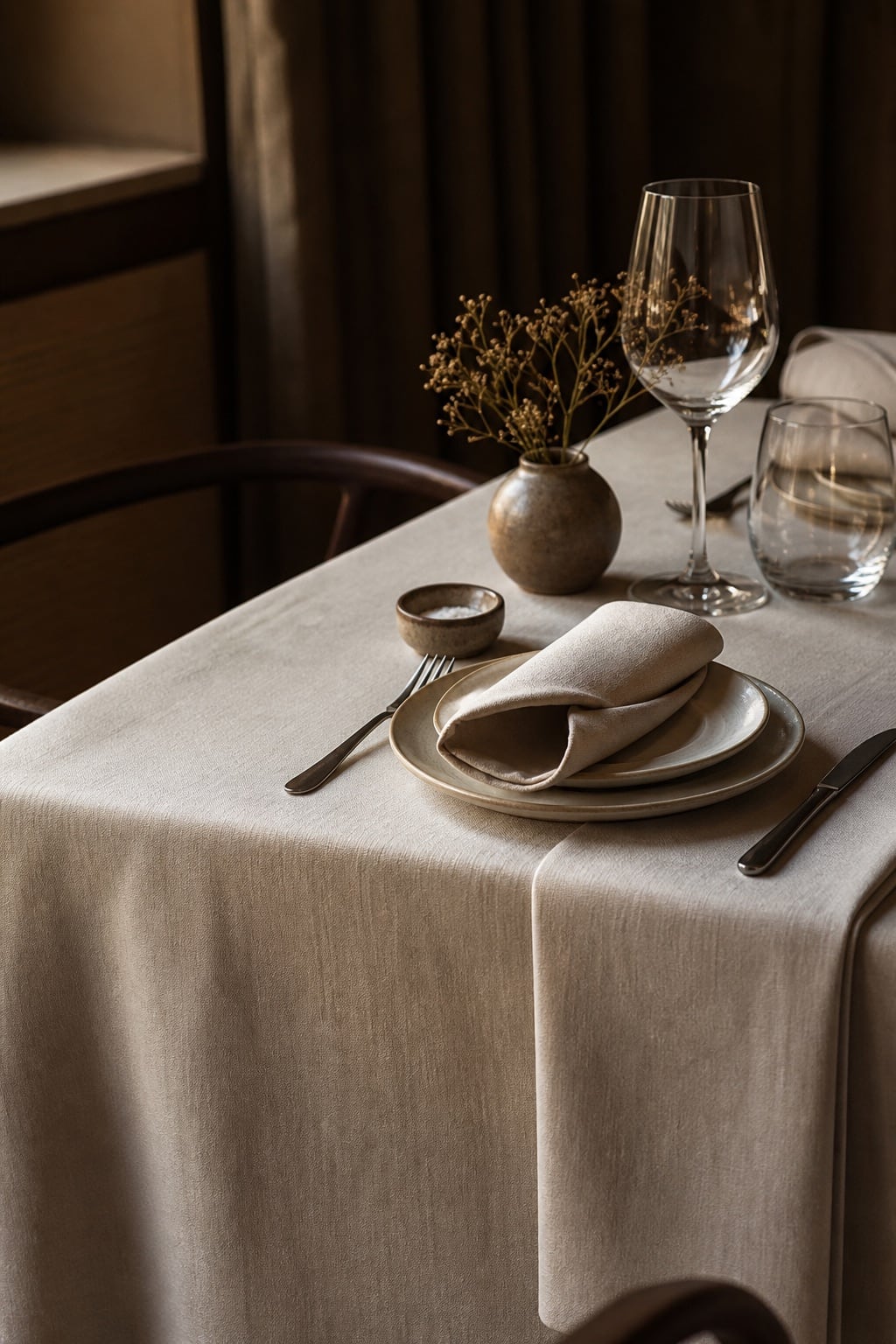
Table linen still matters because it changes the proportion, touch, sound, and sense of care at a dining table. The right specification should support the service style, fit the furniture, respond to laundering, and remain repeatable without becoming visually dominant.
Begin with the service environment
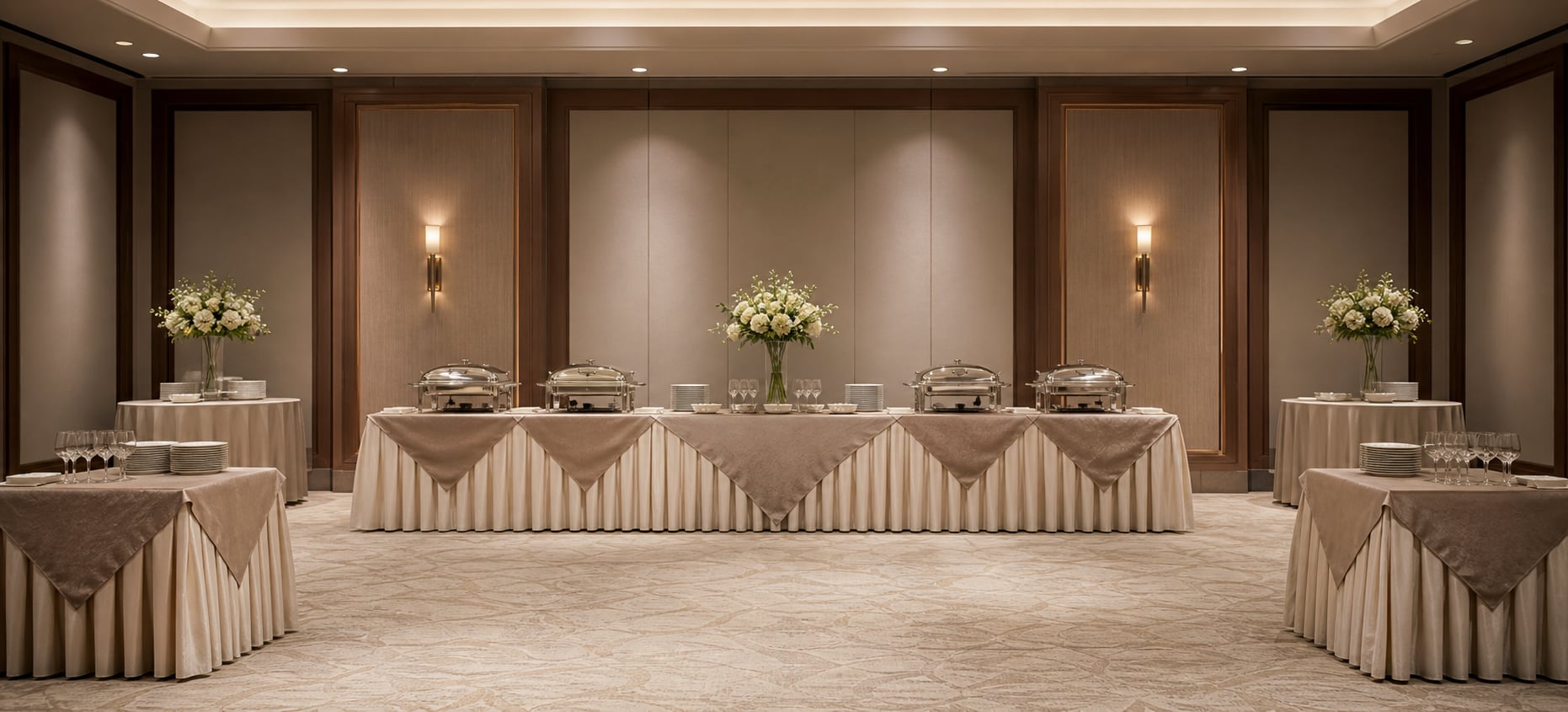
Breakfast, all-day dining, fine dining, banqueting, and outdoor service create different handling and presentation requirements. Map the table types, cover rhythm, clearing process, stain exposure, laundering route, and storage available before choosing a fabric or finish.
A textile that feels appropriate in a slow evening service may be unnecessarily demanding for a high-turnover breakfast room. The most useful specification is the one that supports the intended atmosphere while remaining workable for the team resetting it.
Set proportion and drape from the furniture
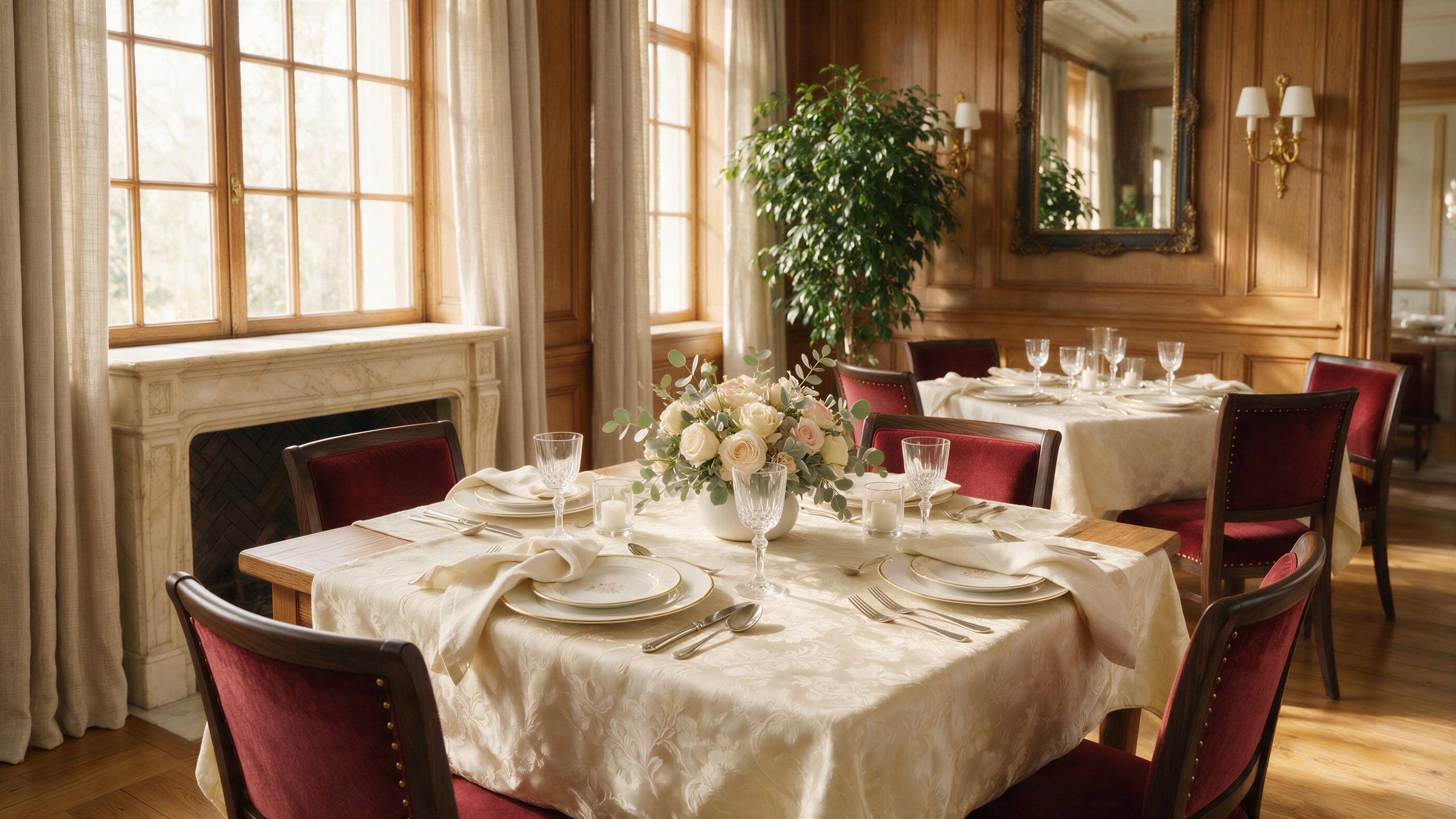
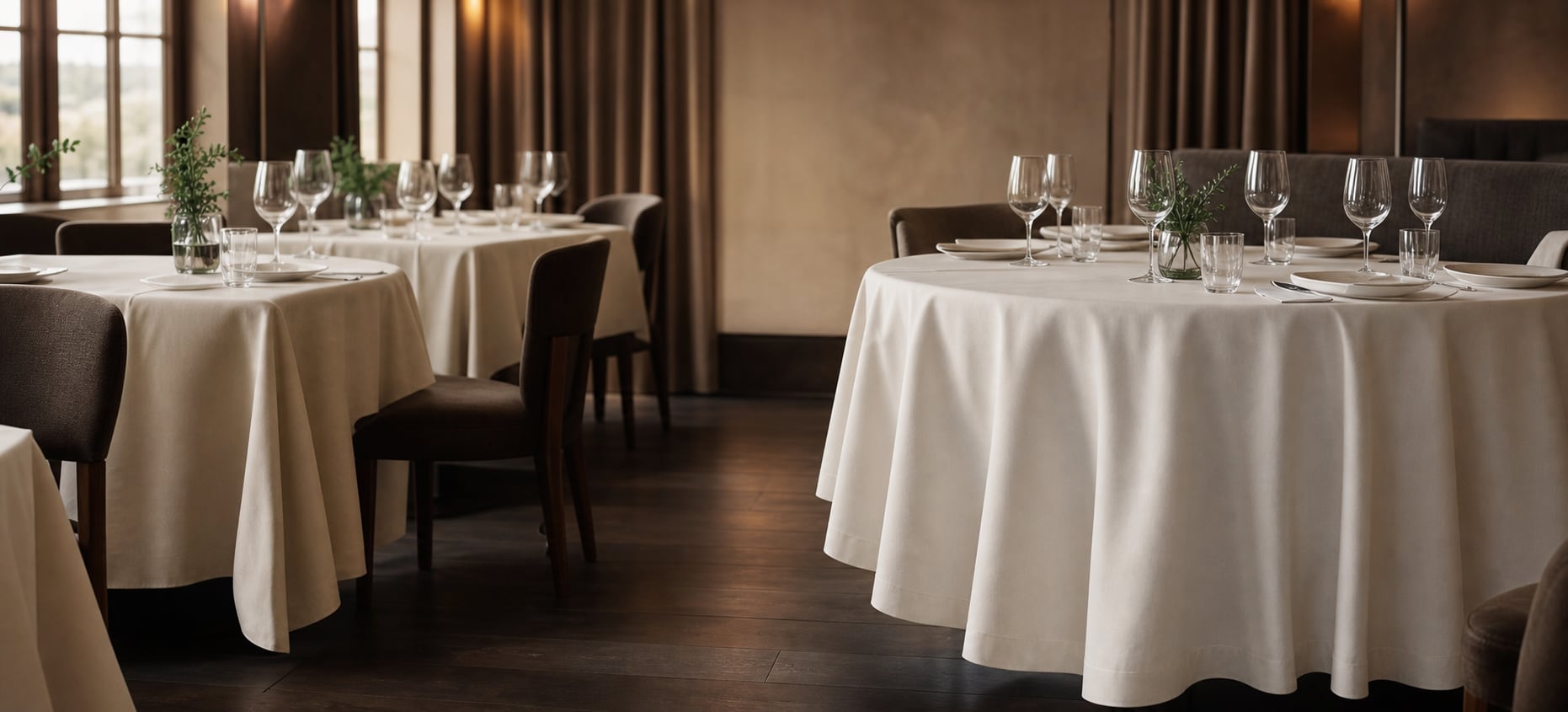
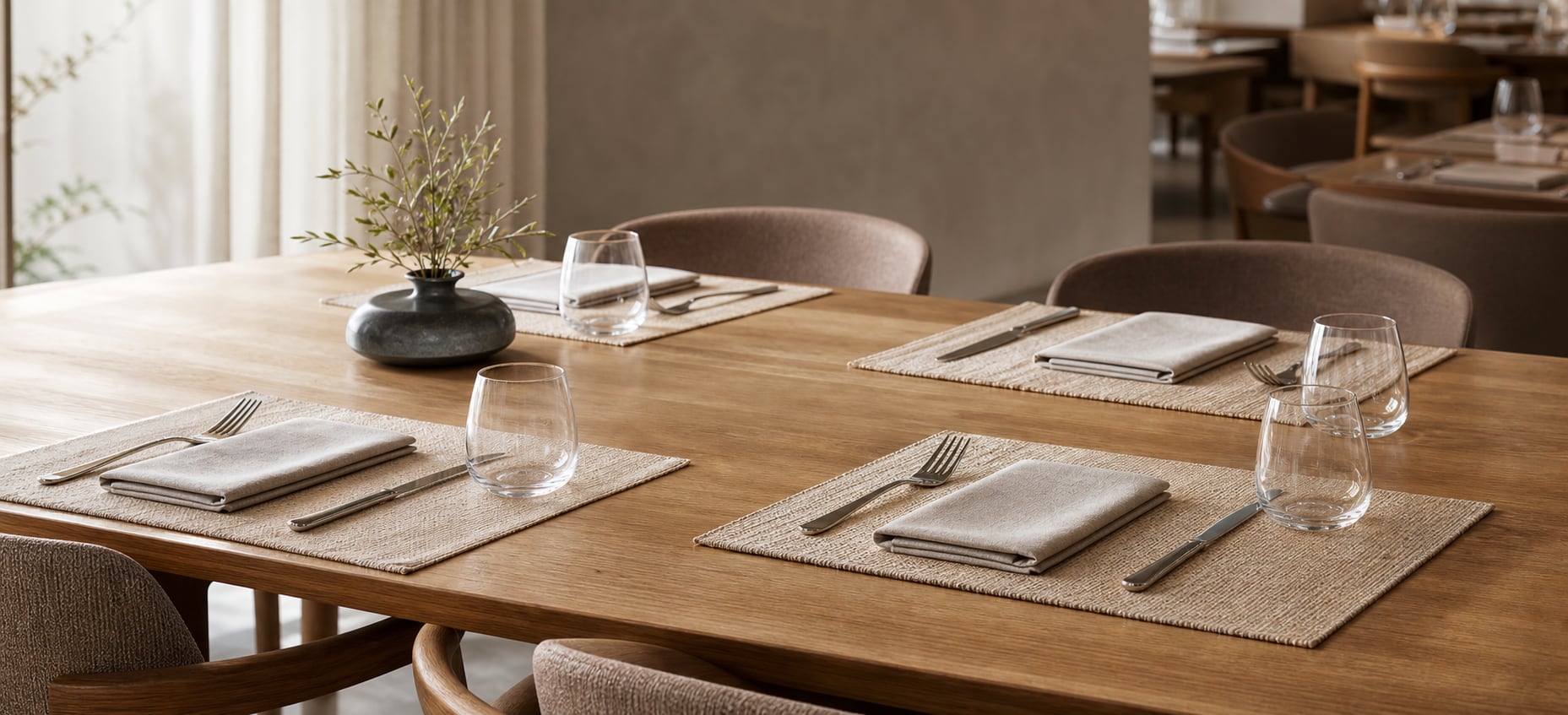
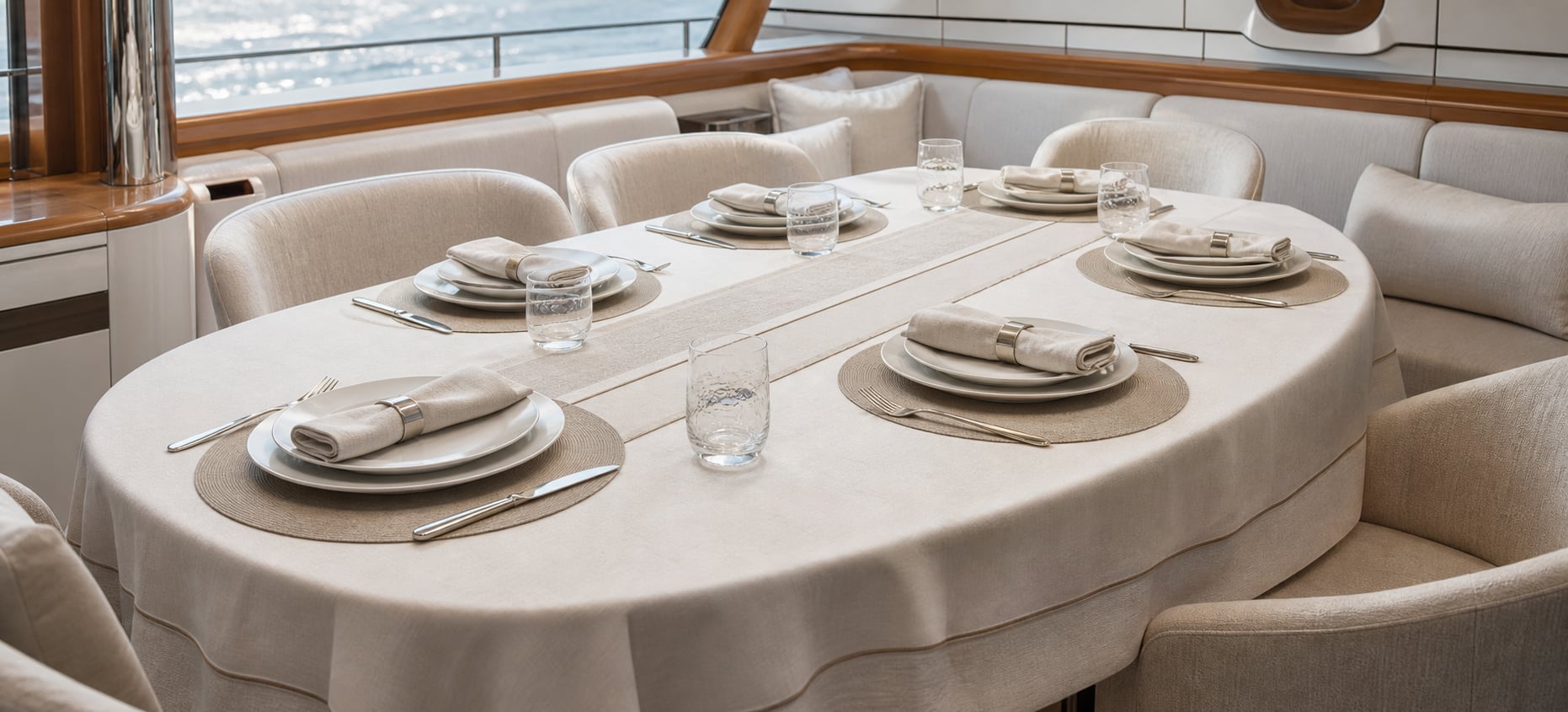
Measure every table format rather than relying only on nominal sizes. For Tablecloths, confirm the finished drop, corners, joins, and post-laundry dimensions. The same cloth can feel formal, relaxed, or poorly resolved depending on how it relates to the table edge and chair.
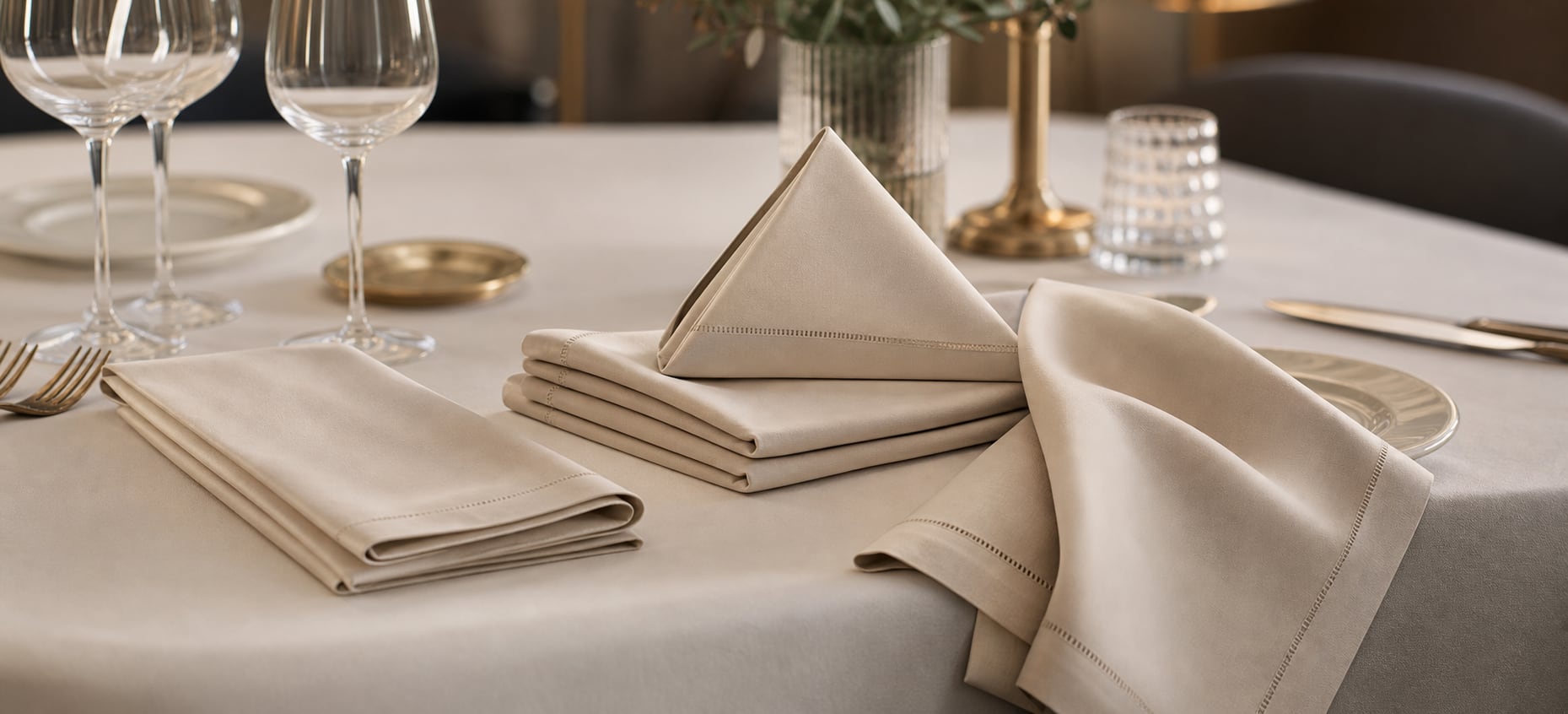
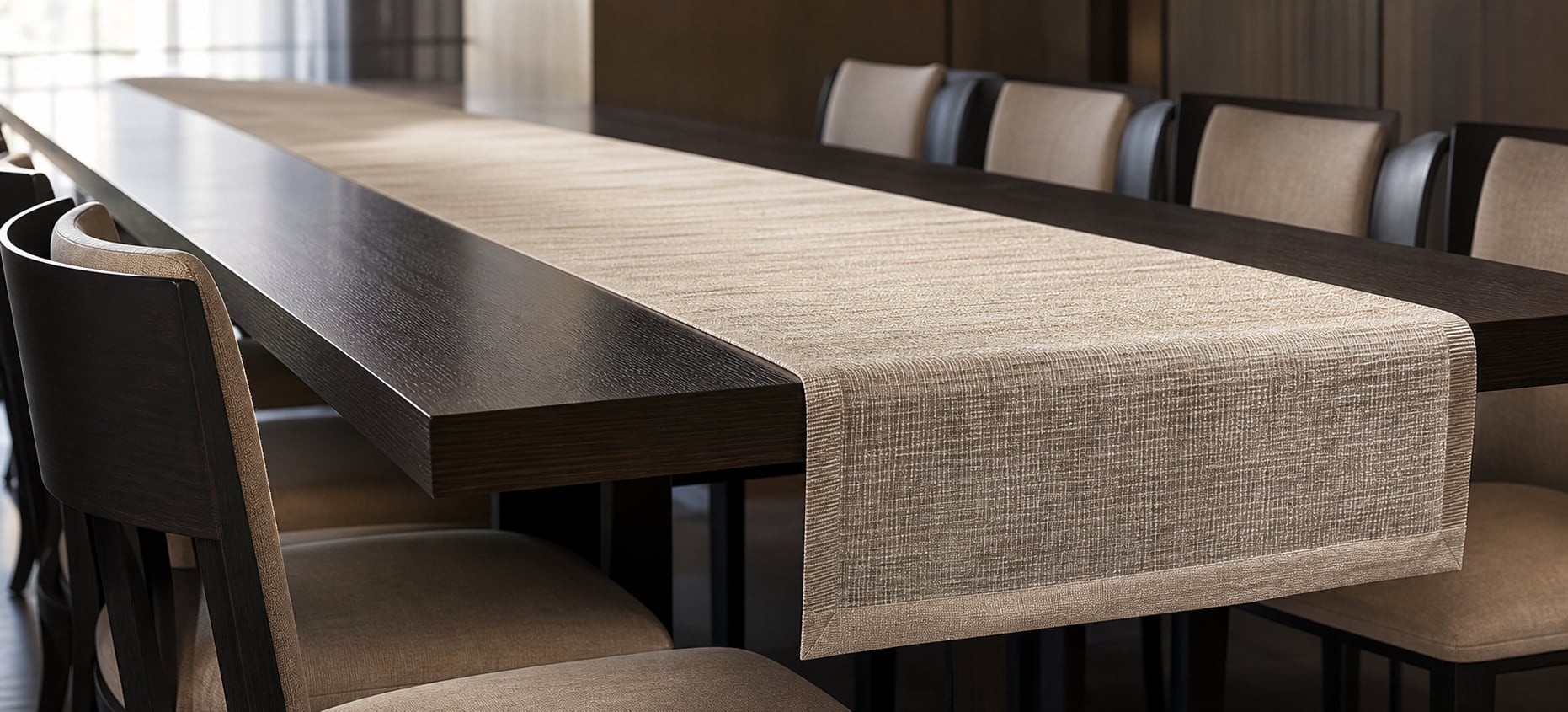
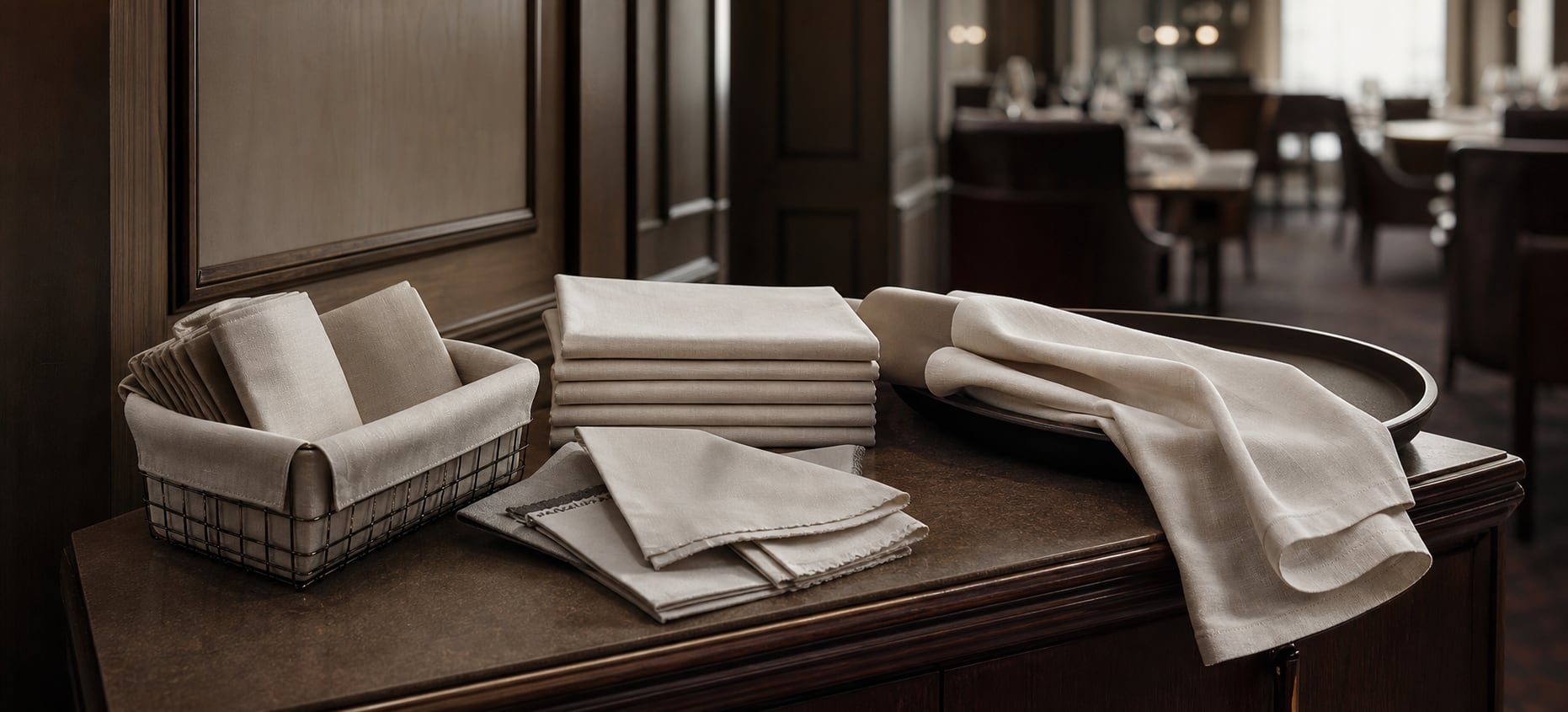
Coordinate the cloth with Napkins and, where appropriate, Table Runners. Their scale, folds, edge treatments, and colour should support the place setting rather than compete with tableware or food presentation.
Good dining linen does not ask for attention. It makes the table feel considered before the first plate arrives.
Choose texture for touch and visual character
Texture affects how a guest touches the table, how light moves across the surface, how glassware sounds, and how a folded napkin holds its form. Smooth, crisp, textured, and more relaxed constructions each communicate differently; none is automatically more suitable without the room and service context.
Plan for laundering, pressing, and reset
Stain treatment, washing, drying, pressing, folding, and transport back to the dining room all shape operational life. Confirm the intended laundry process and test the proposed dimensions and finish through it. Review shrinkage, creasing, edge stability, colour, and the time required to prepare each piece for service.
- Separate daily restaurant needs from banquet or occasional-event formats.
- Record table dimensions, finished drops, folds, and edge details.
- Confirm how clean and used linen moves through storage and service.
- Review visible wear before inconsistency reaches the dining room.
Protect continuity and customise selectively
Keep an approved sample and specification record for repeat orders. Where custom dimensions, embroidery, monograms, woven details, or a particular presentation are useful, Gencer Studio can review feasibility according to the material and project scope. Customisation should solve a clear visual or operational need.
A practical decision summary
Choose table linen by balancing service style, furniture dimensions, tactile character, laundering, preparation time, and repeatability. Explore the wider Dine collection when coordinating tablecloths, napkins, runners, and service textiles as one dining programme.
Product catalogue
Request the Dine catalogue
Share your business email and, if useful, your company or property name. We will carry these details into the secure catalogue-request form with the relevant category already selected.
Journal
Continue reading
Choosing Textiles for Life on Board
What to consider when selecting cabin, deck, bathroom, and beach textiles for marine hospitality environments.
Read Choosing Textiles for Life on Board