

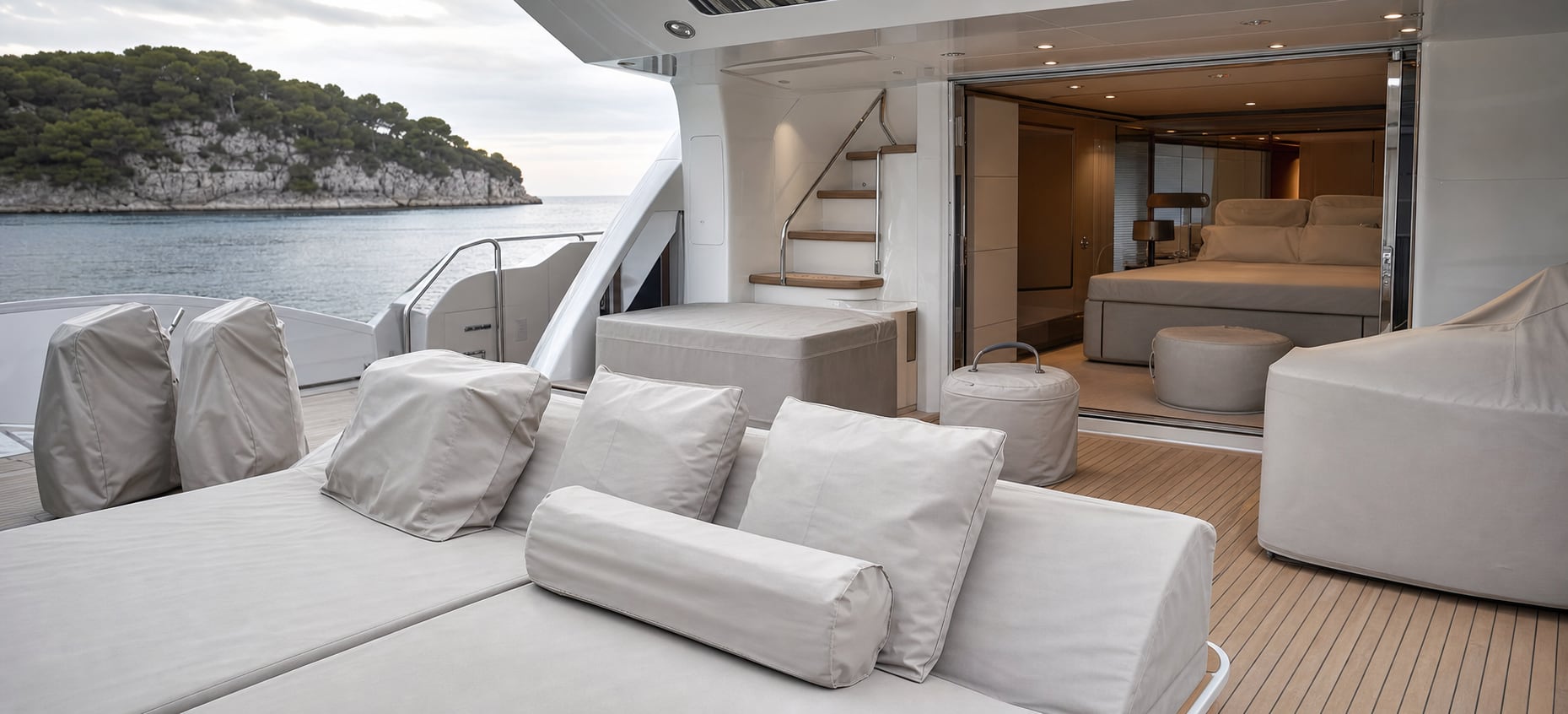
Choosing Textiles for Life on Board
Onboard textiles have to feel calm and precise while responding to movement, moisture, storage limits, sun exposure, and the compact rituals of life at sea.
Published by Gencer Textiles
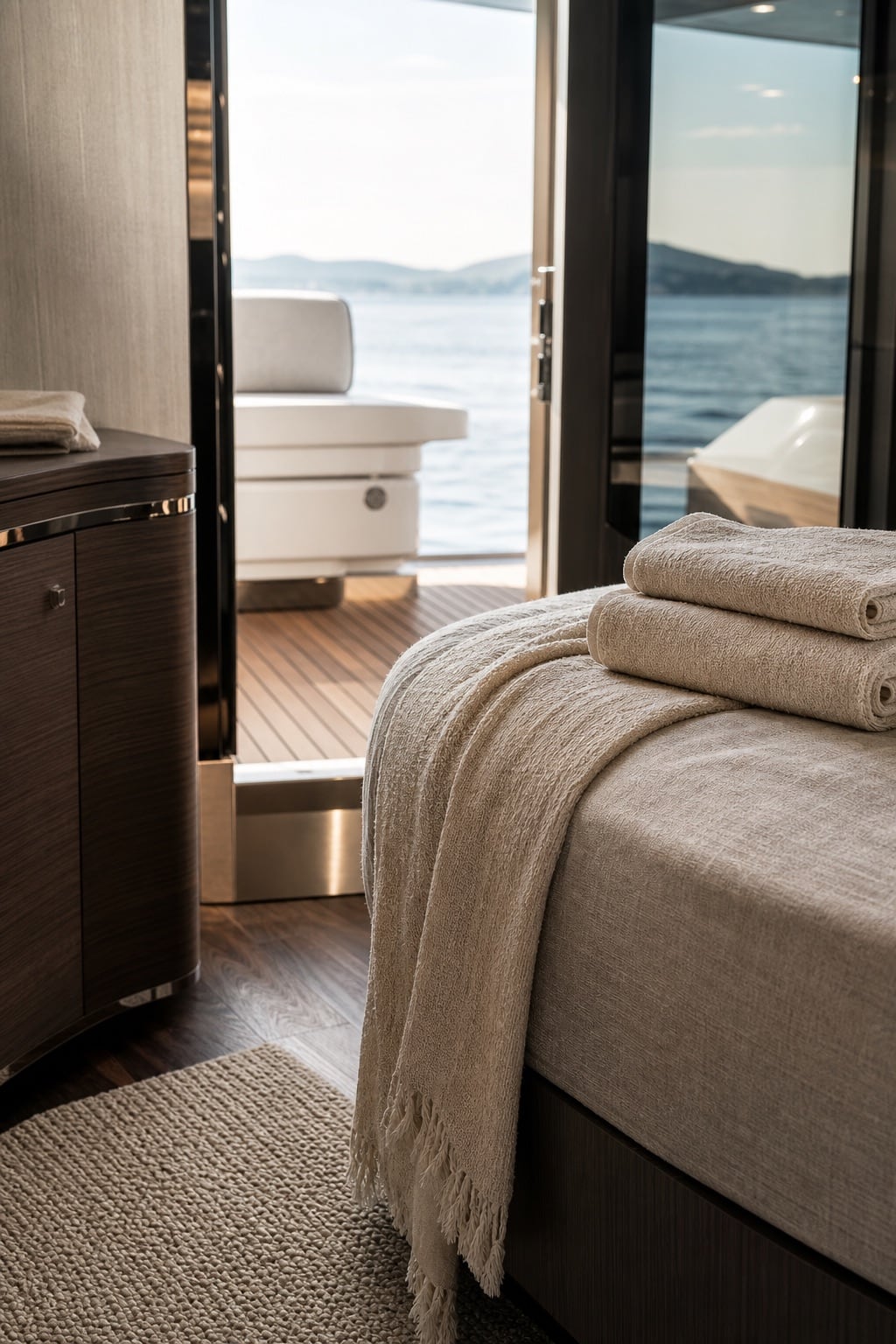
Choose textiles for life on board by separating cabin, bathroom, deck, beach, dining, and crew requirements, then balancing guest comfort with custom dimensions, moisture, drying, storage, identification, laundering, and replacement. A coordinated visual language does not require every area to use the same construction.
Map each use area separately
Begin with an inventory of cabins, berths, bathrooms, deck zones, beach service, dining areas, and crew spaces. Record who uses each textile, where it is stored, how it moves to laundry, and whether the vessel’s itinerary changes access to care or replenishment.
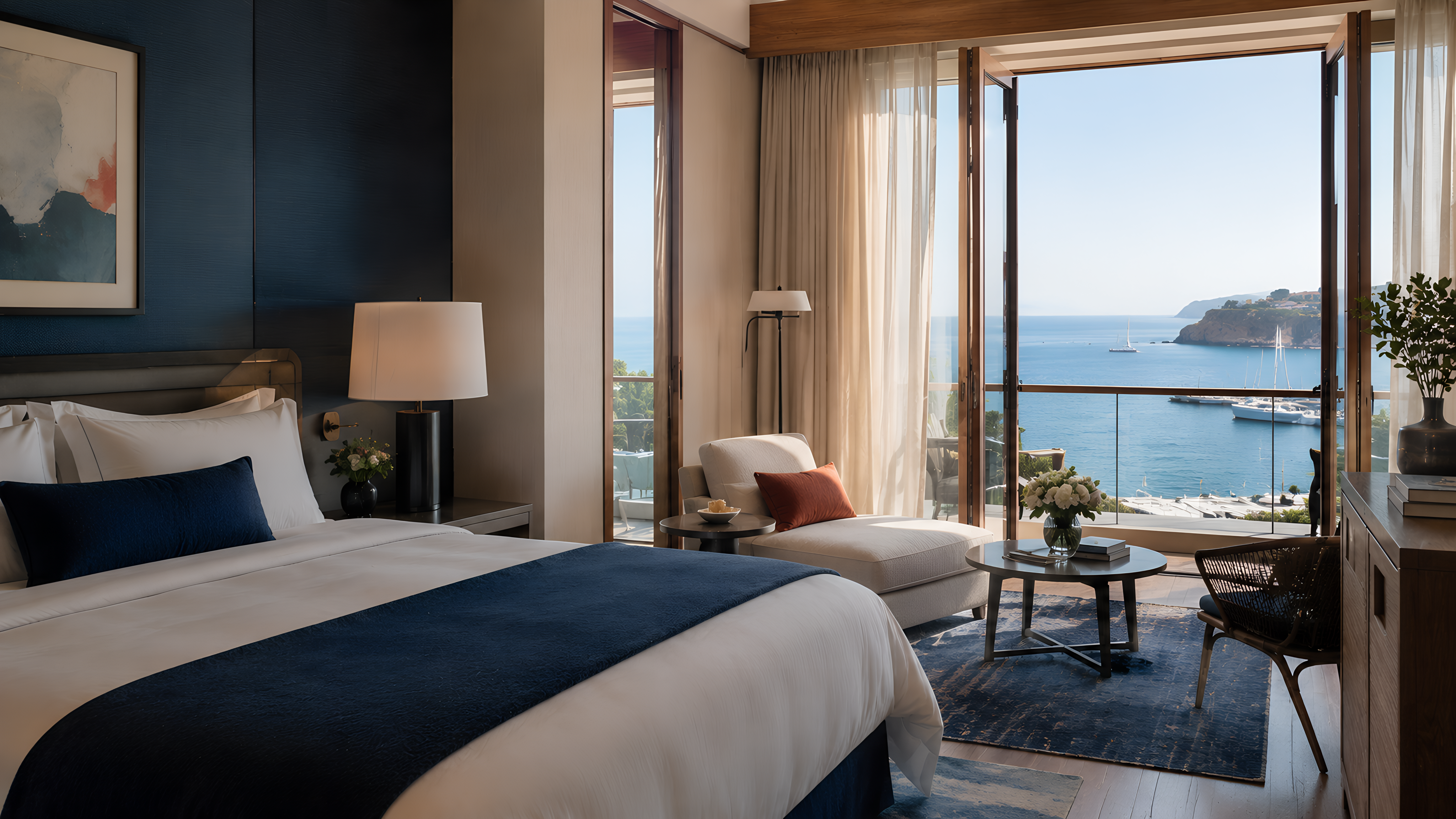
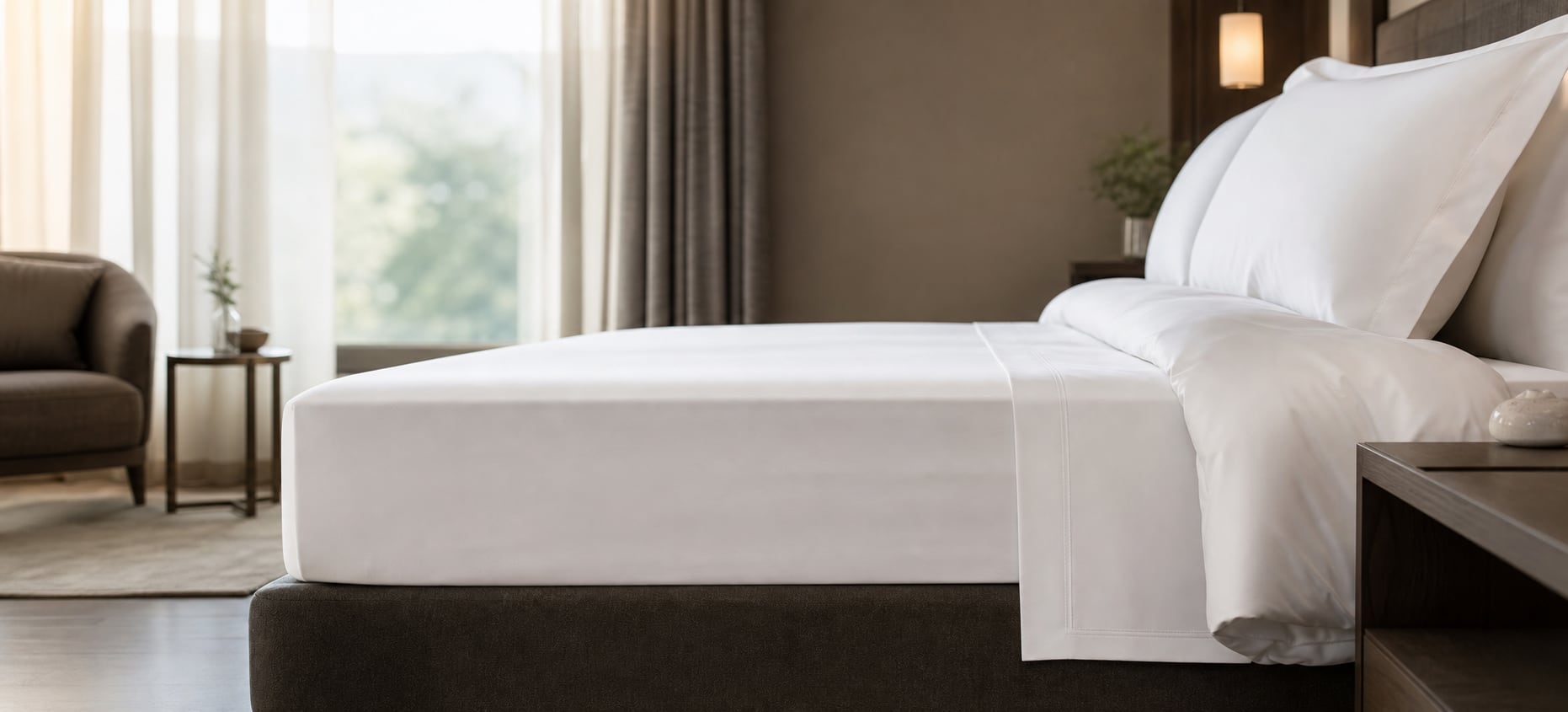
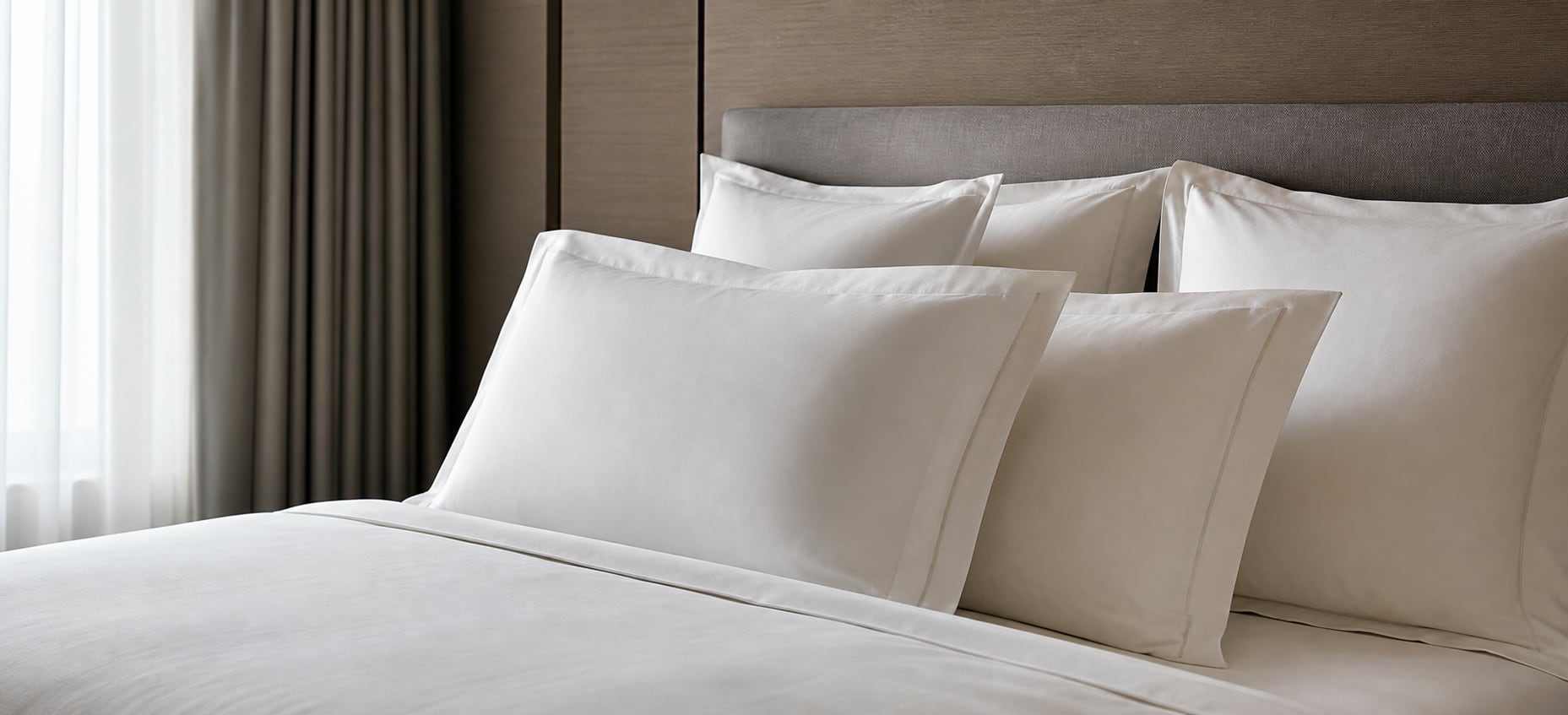
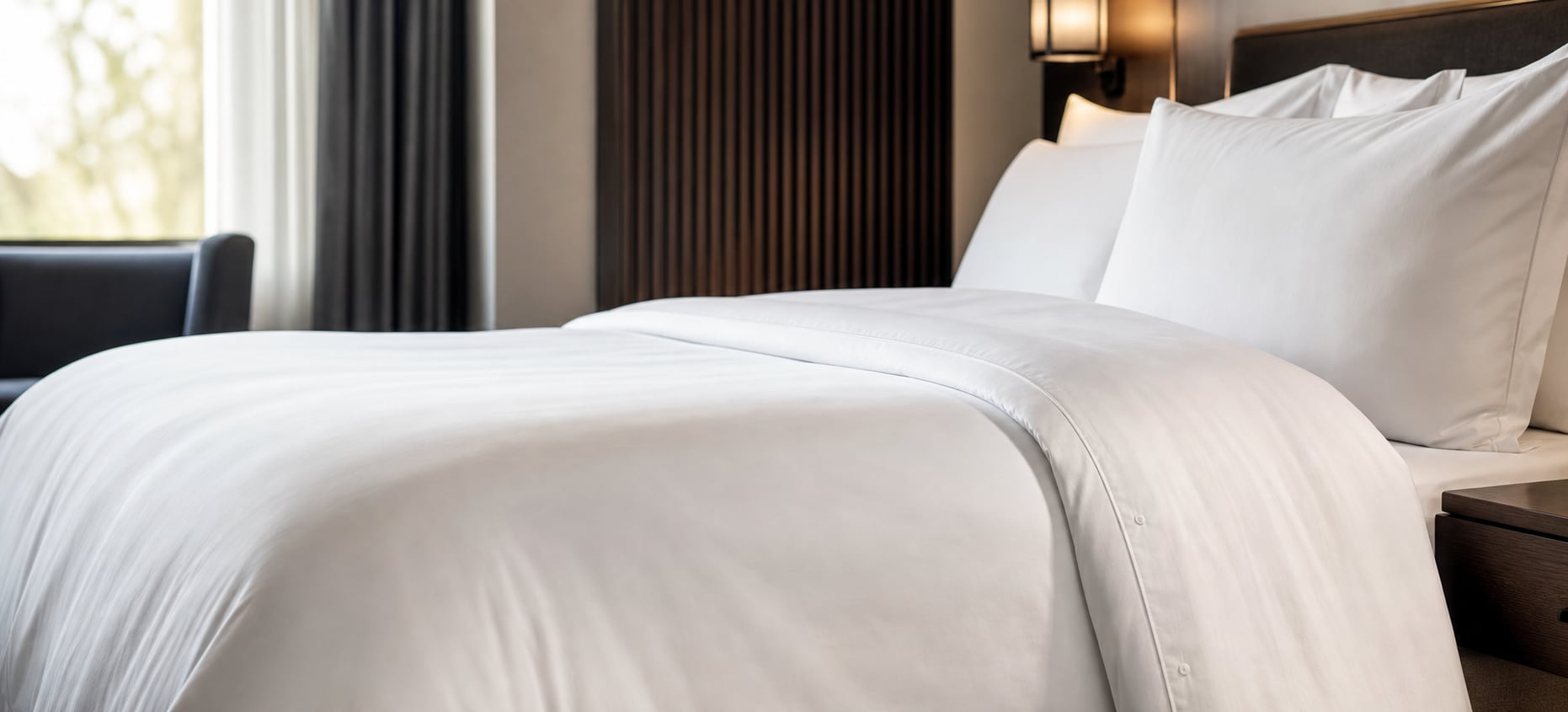
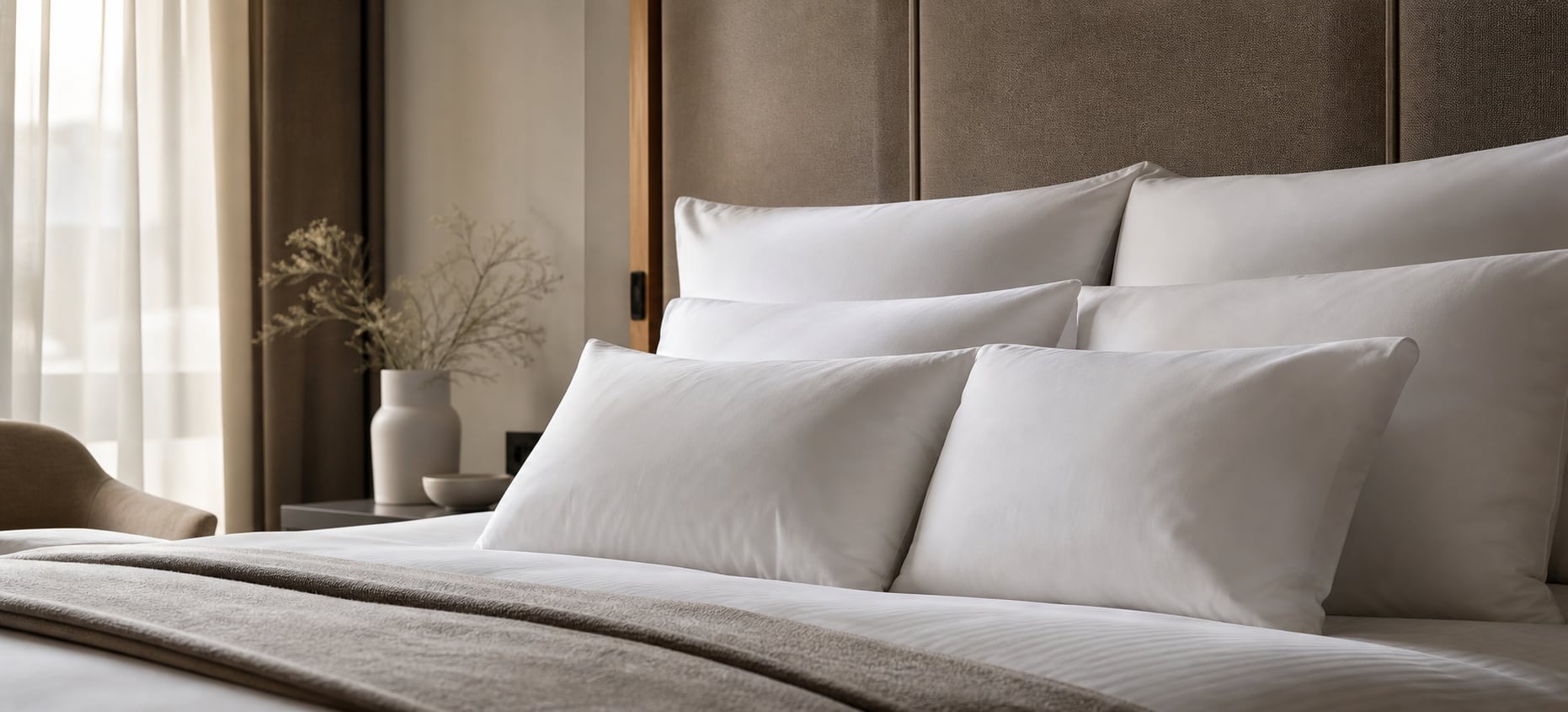
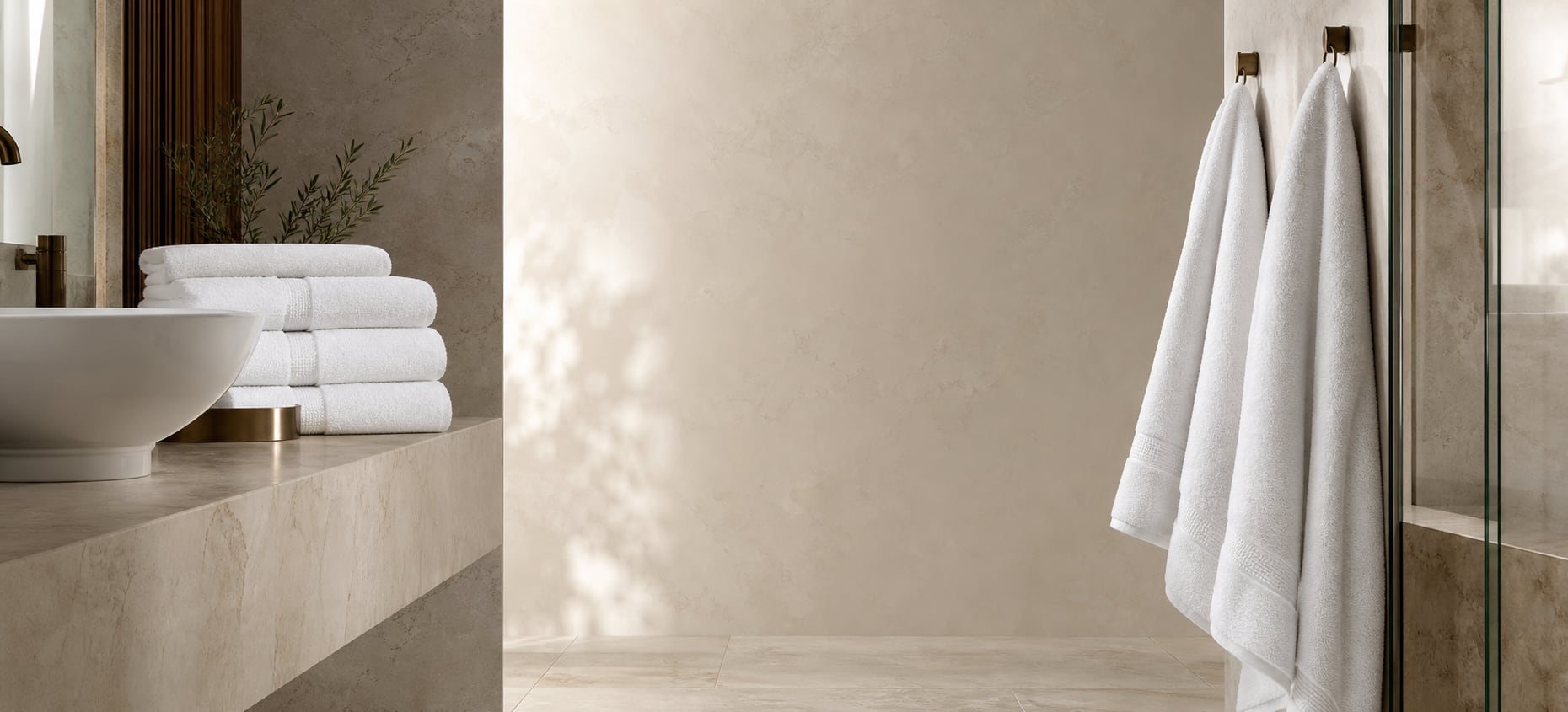
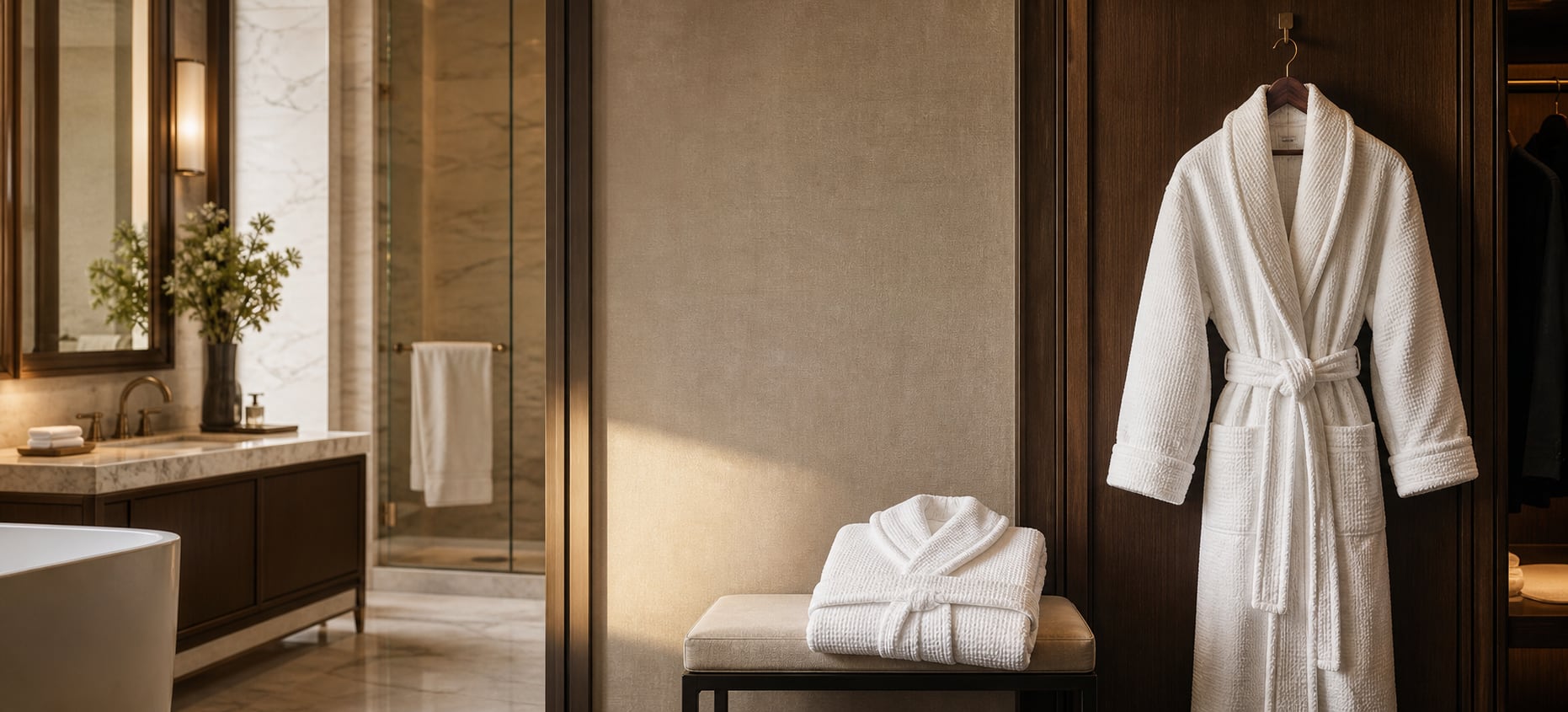
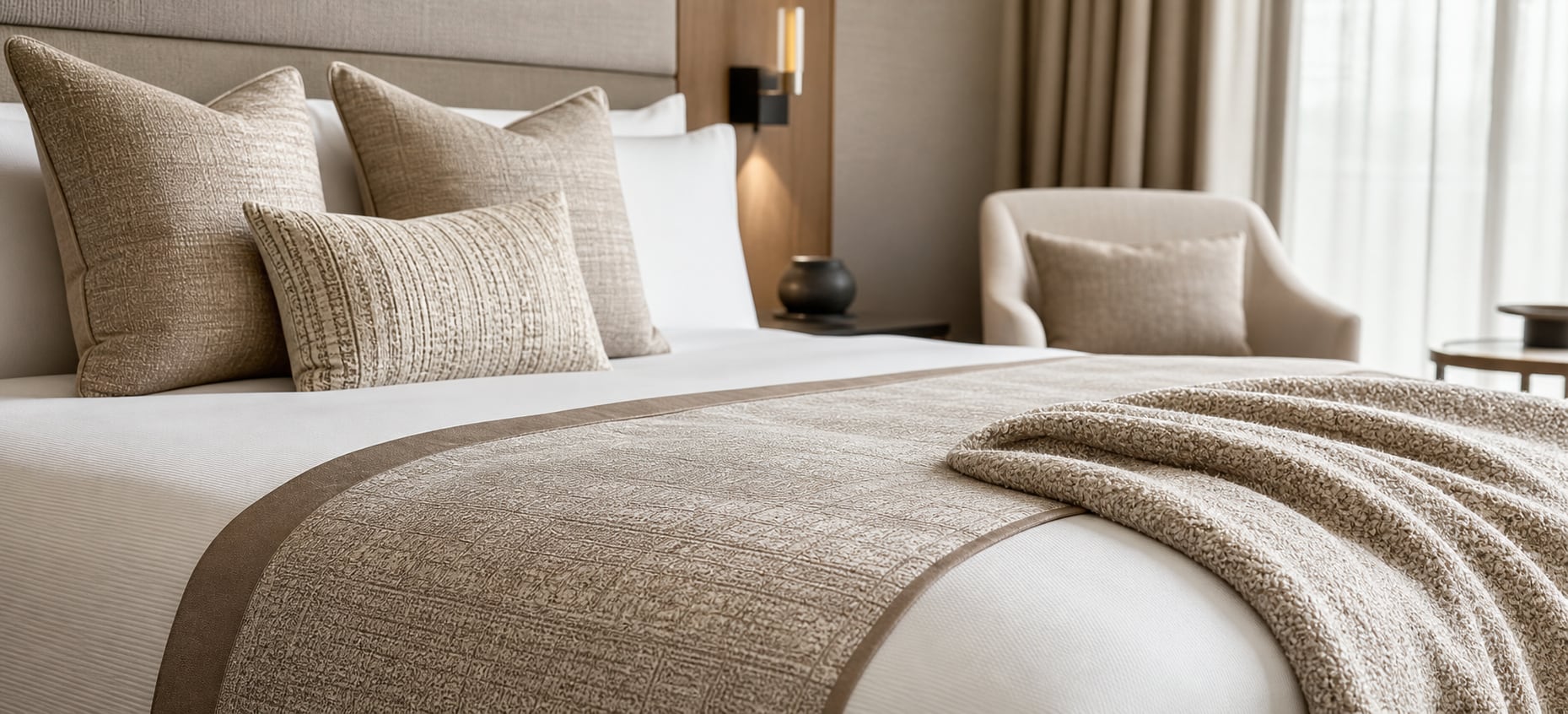
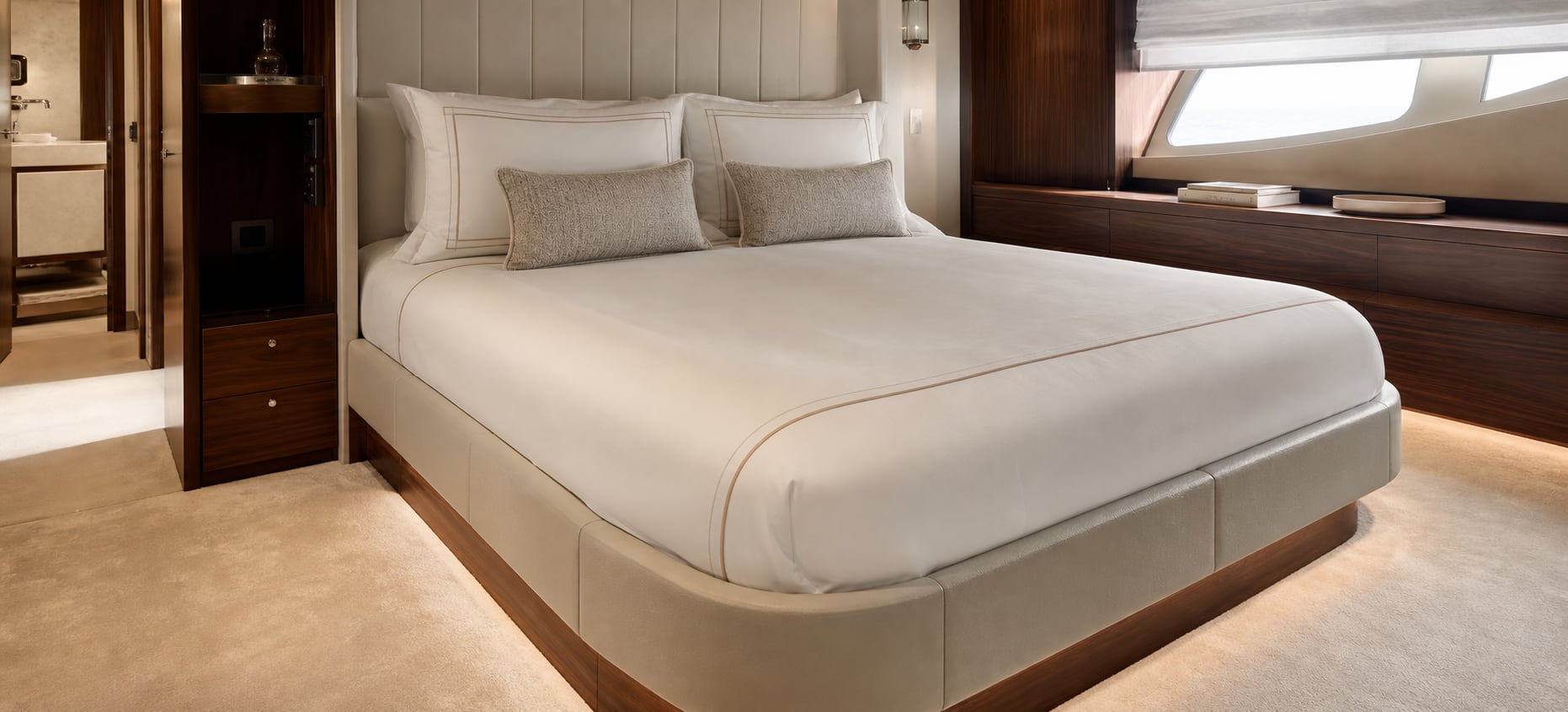
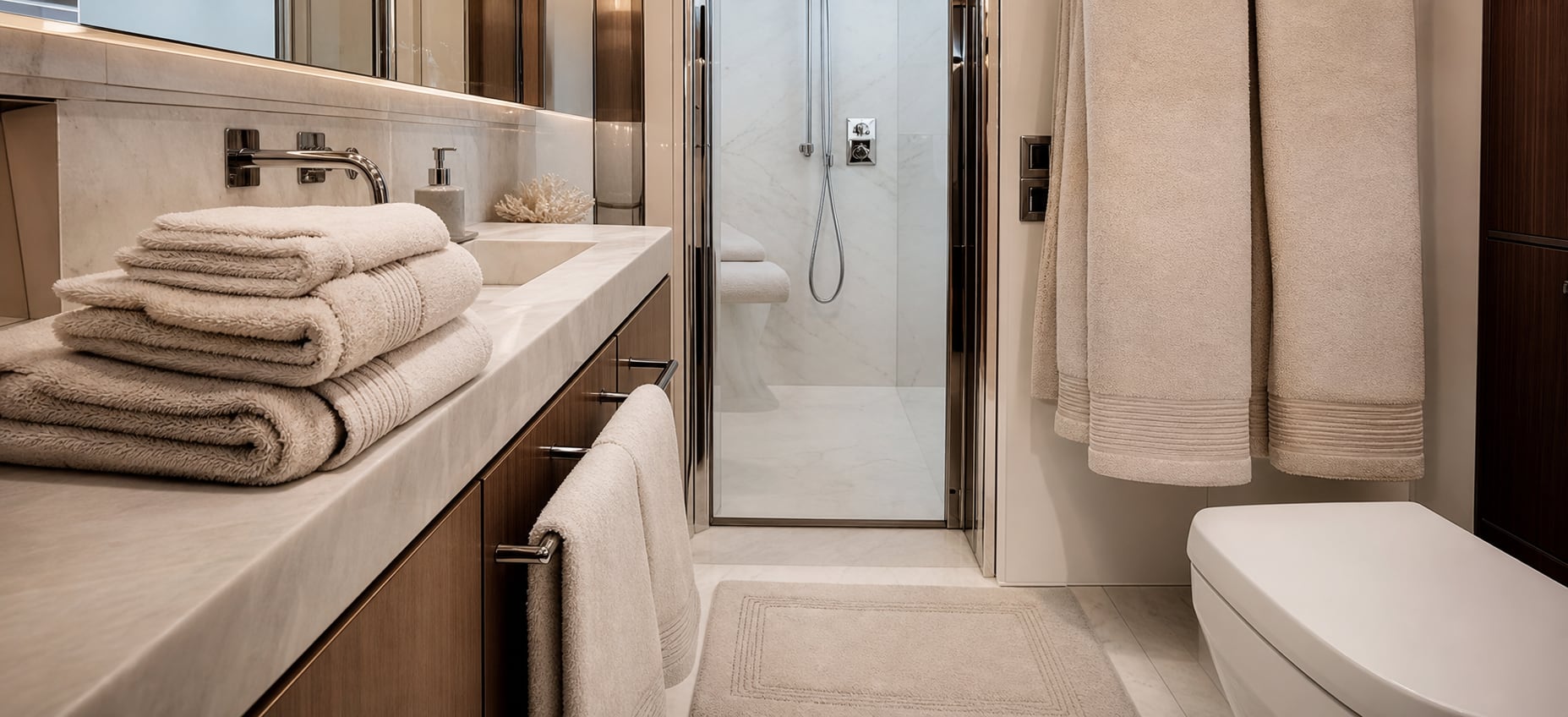
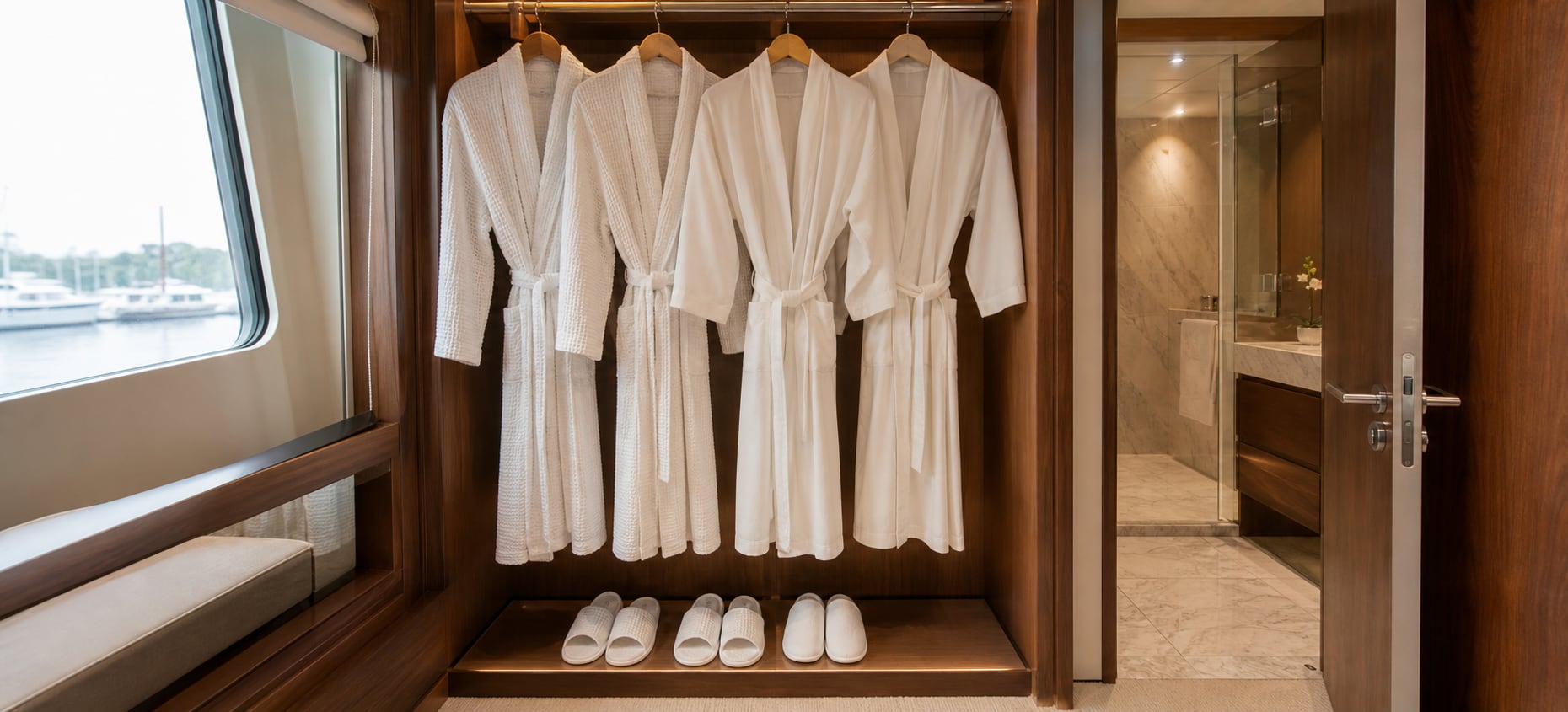
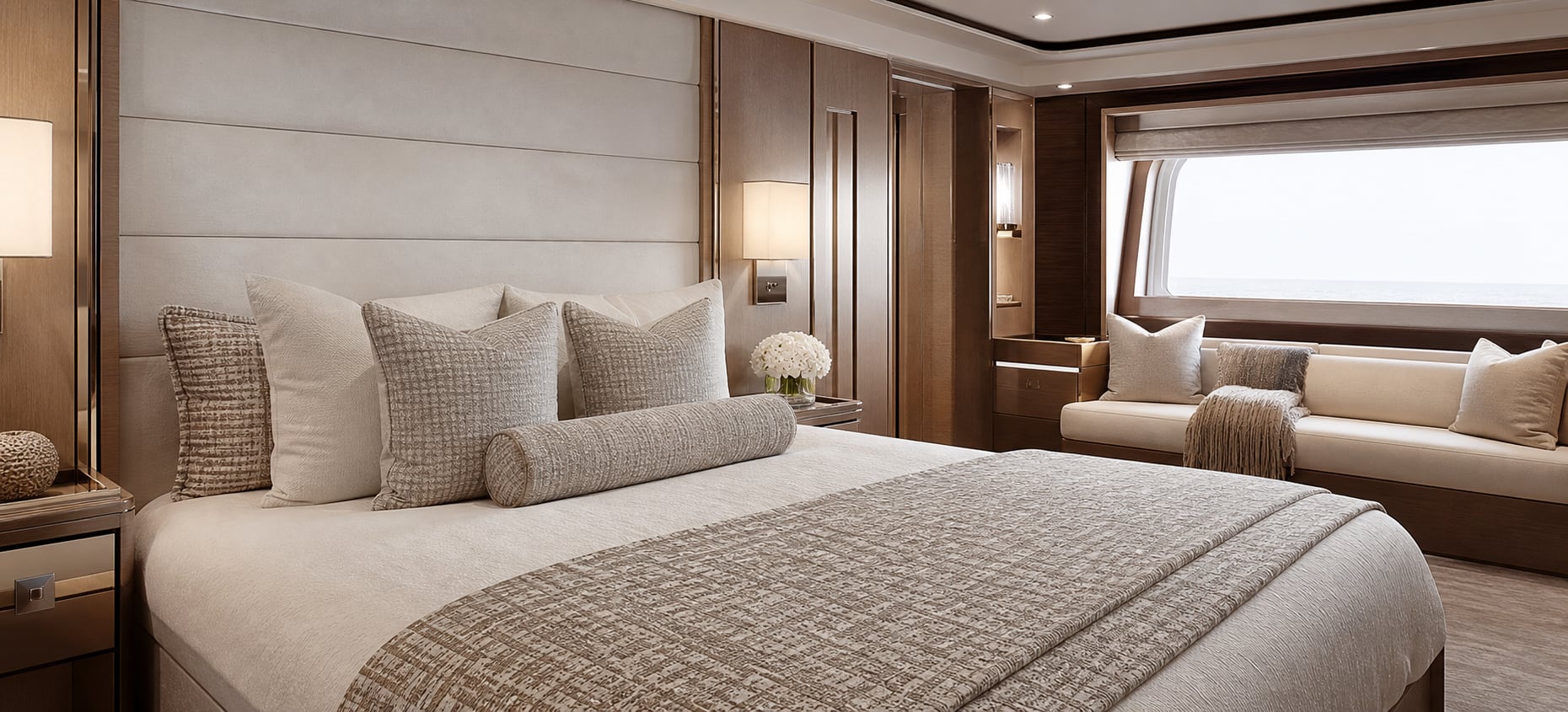
Cabin requirements may lead to custom Yacht Bed Linen, while bathrooms need a coordinated but operationally distinct Yacht Bath Linen programme. Record these systems separately even when colour and detailing connect them.
Design for moisture and storage
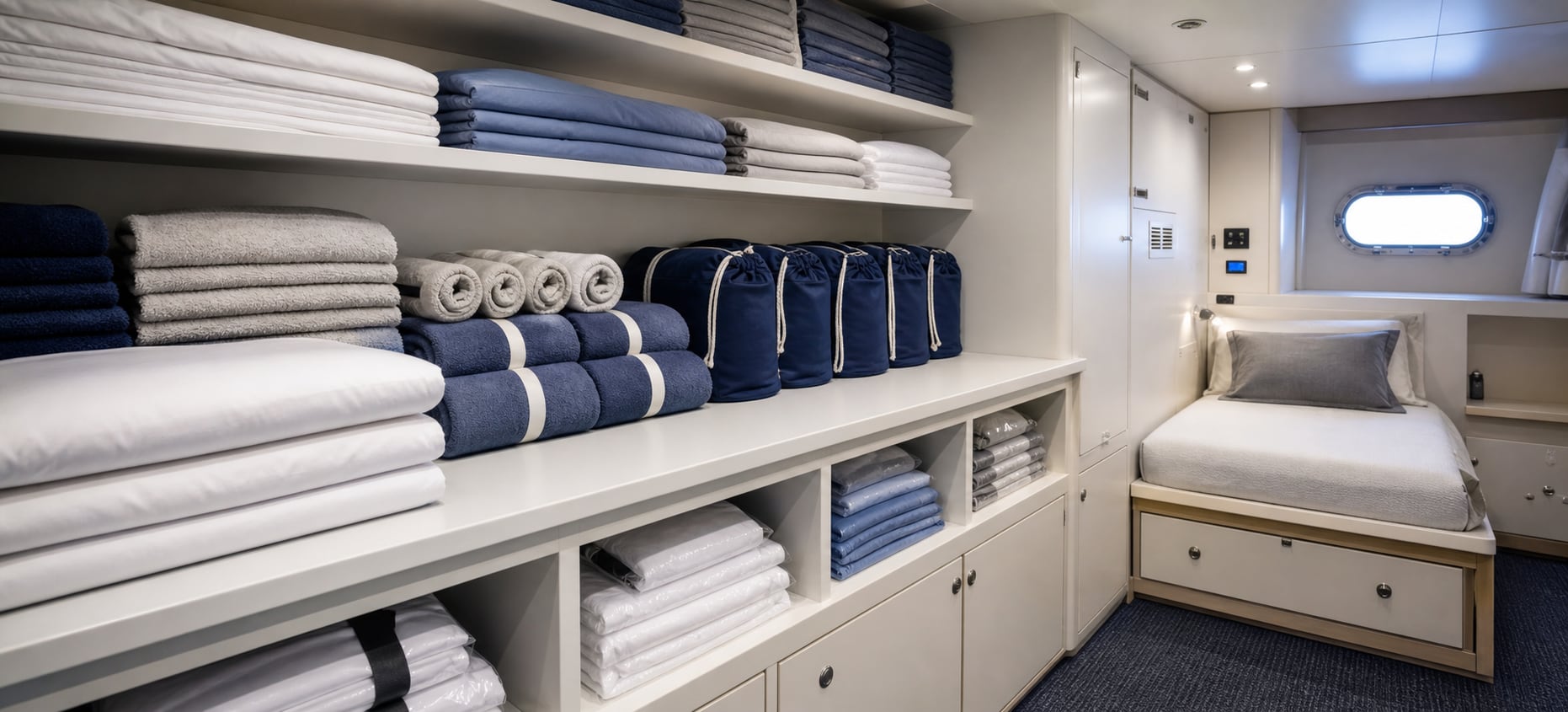
Marine hospitality environments make moisture and storage part of the specification. Drying time, folded volume, ventilation, and clear separation between clean, used, indoor, and outdoor textiles should be understood before a material or size is approved.
Keep cabin and deck needs separate
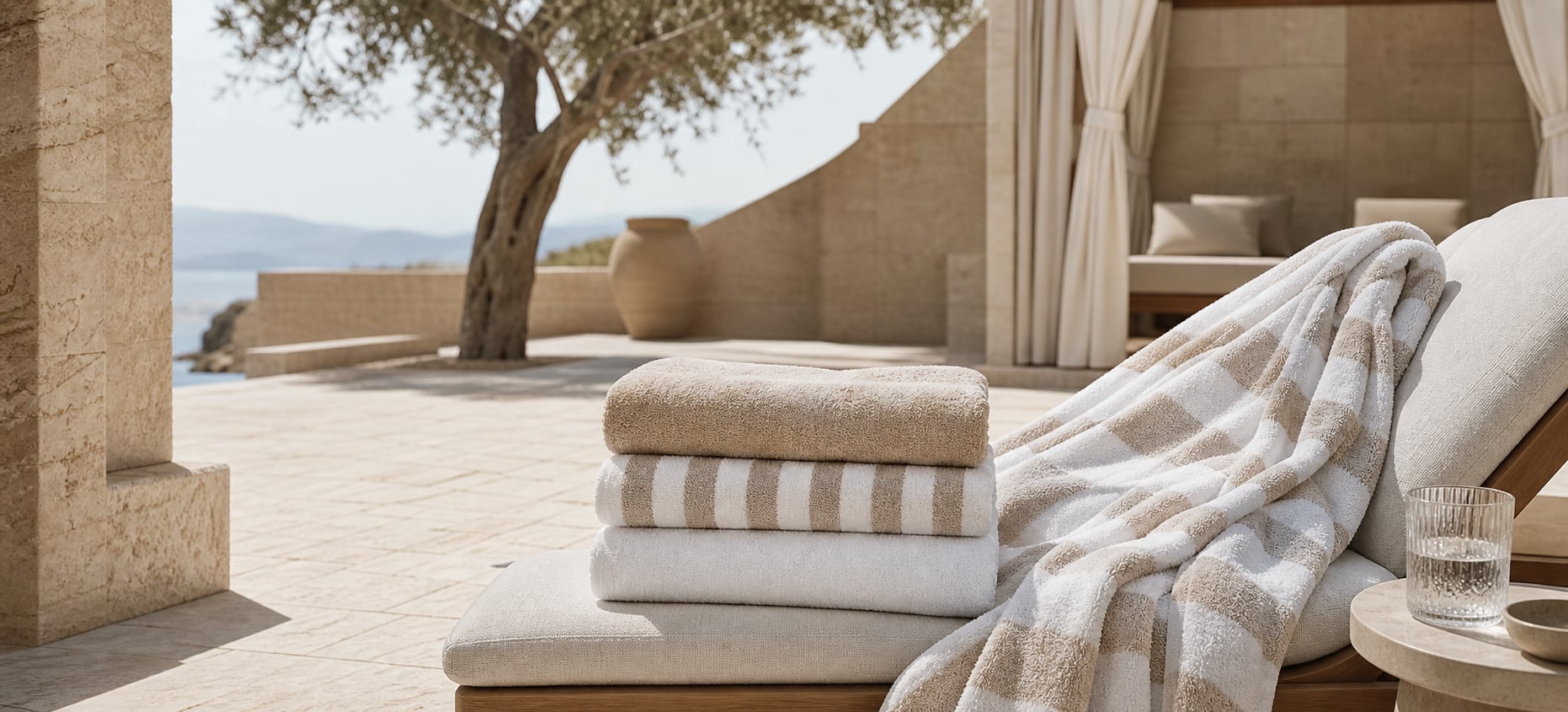
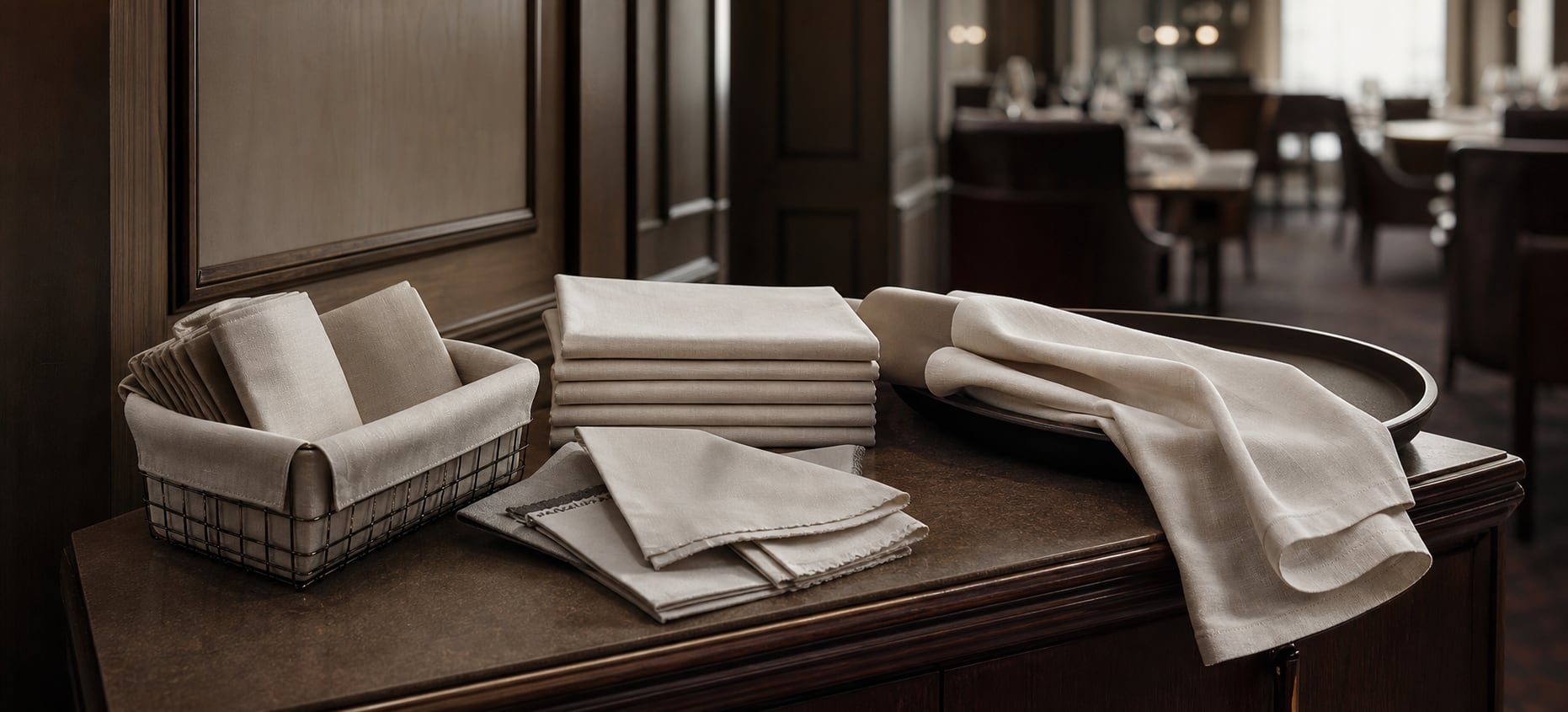
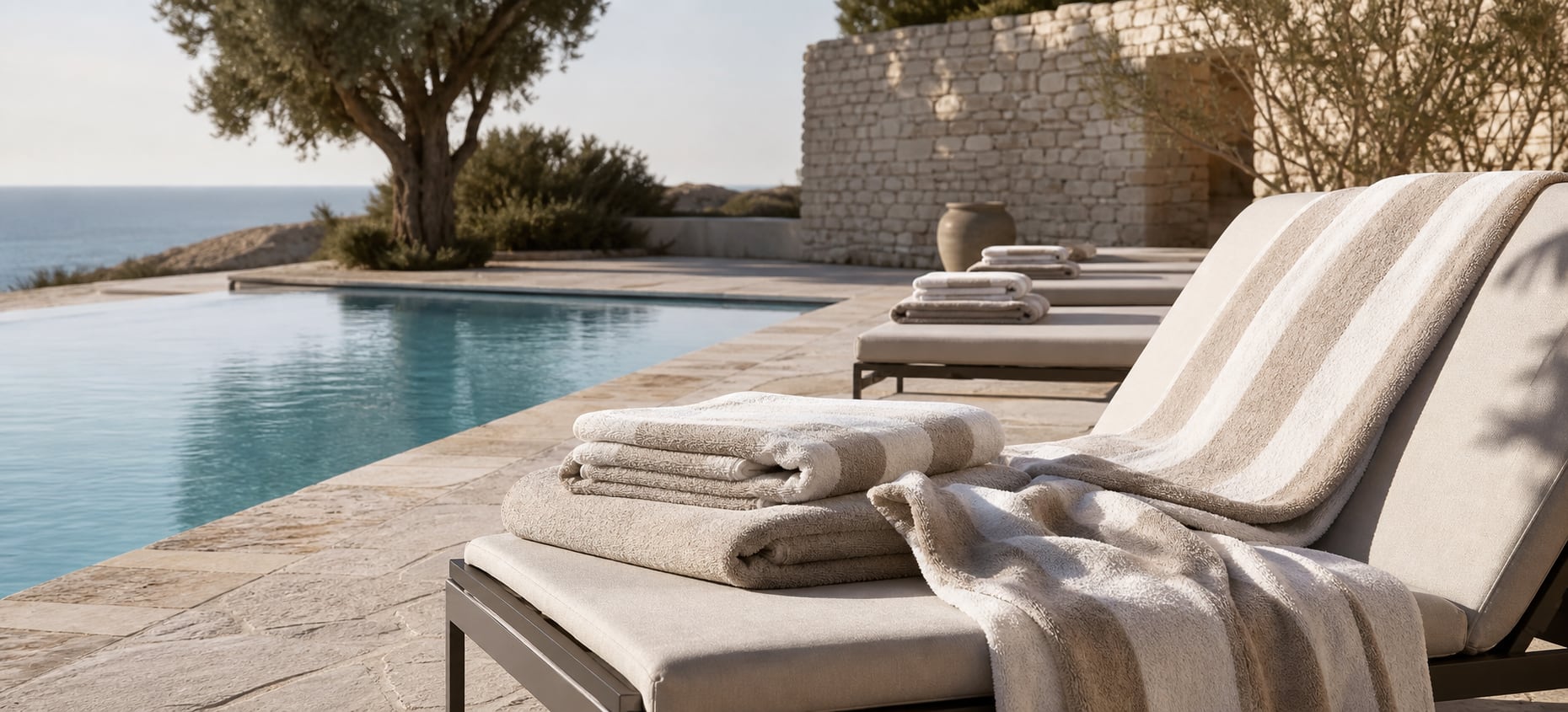
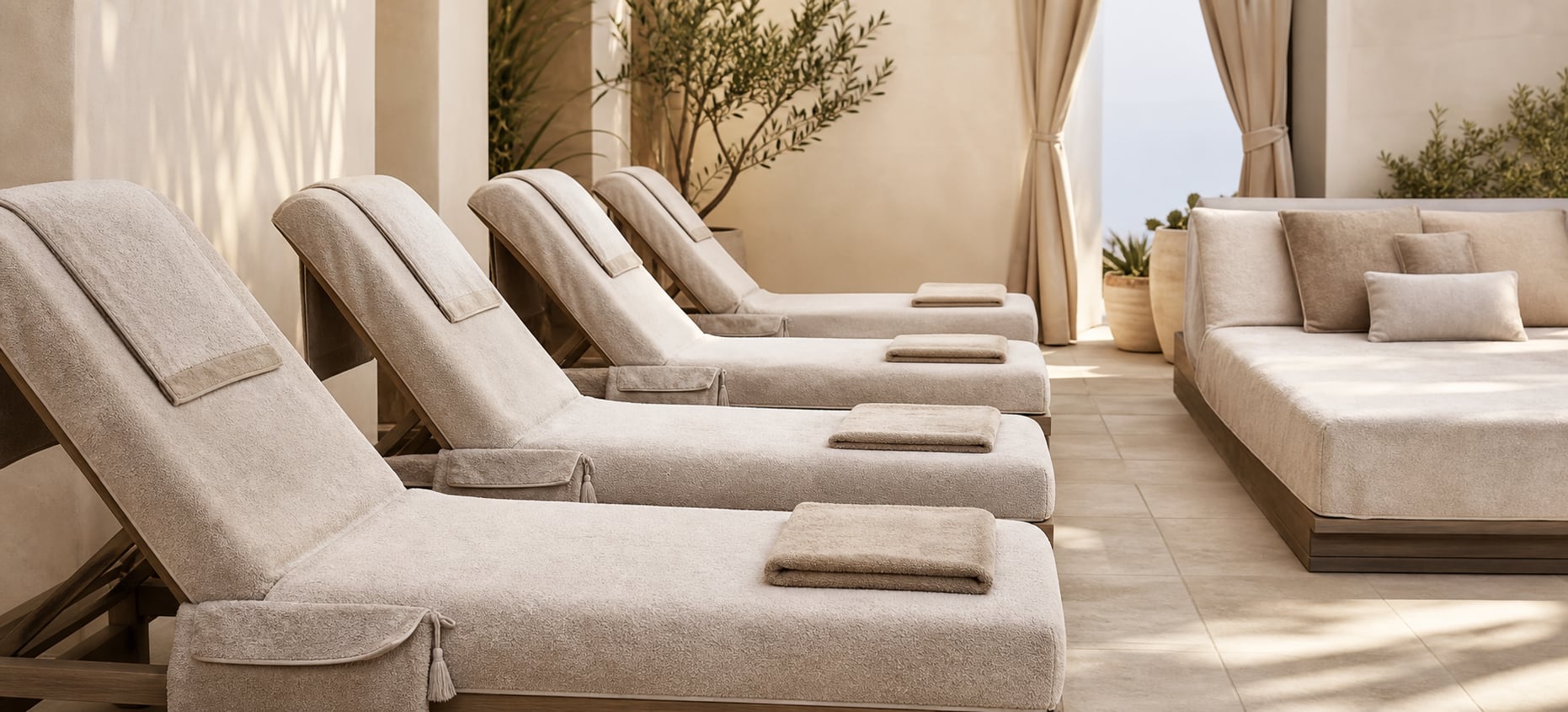
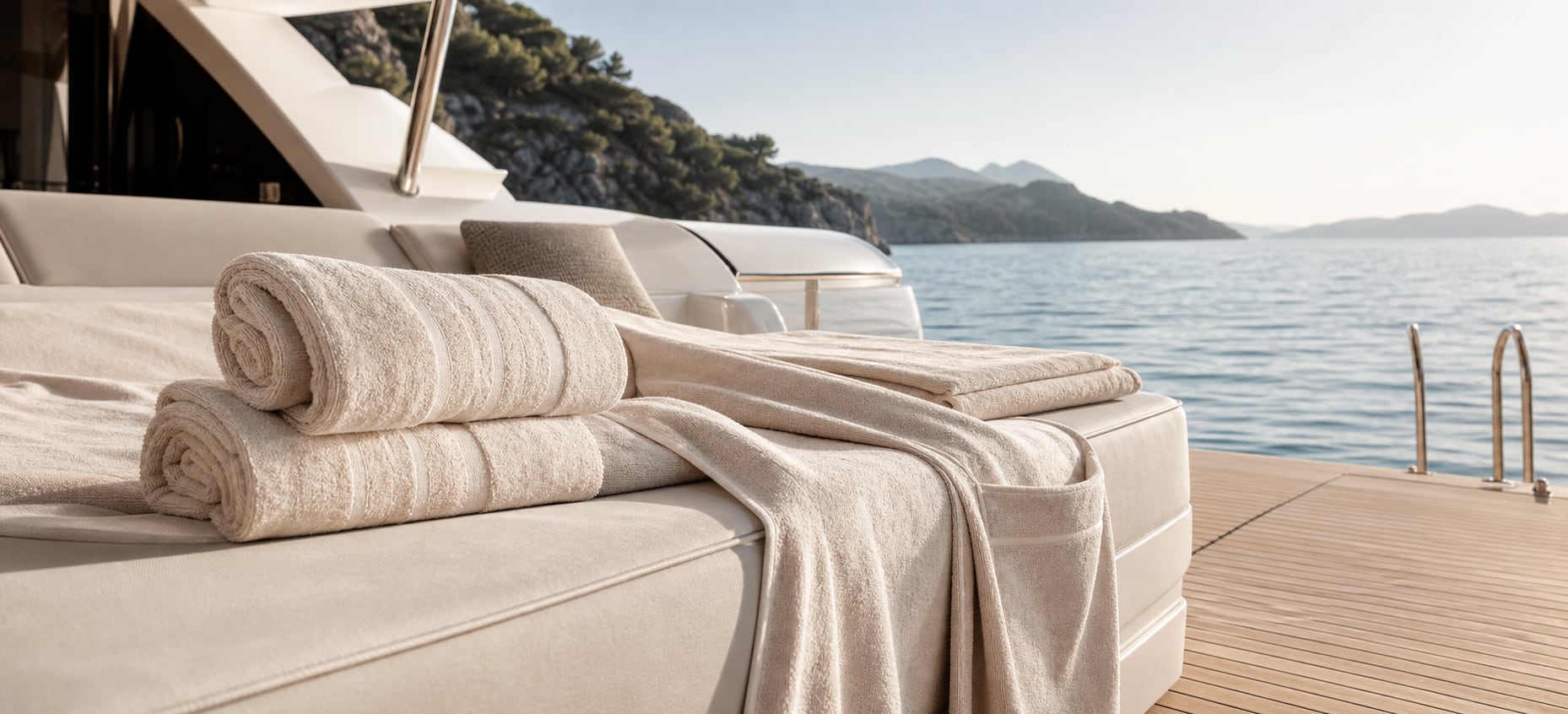
Cabin linen, bathroom towels, and Deck & Beach Towels do not need the same construction. Outdoor pieces should be considered against moisture, sun exposure, drying, wind, and clear identification. Cabin pieces should respond to berth fit, touch, compact storage, and crew preparation.
- Specify deck textiles with drying and sun exposure in mind.
- Keep cabin linen soft, compact, and easy to store.
- Choose embroidery or labeling that helps crew identify sets quickly.
- Plan spare quantities around route, laundry access, and guest rhythm.
Measure accurately and make sets easy to identify
Berths, mattresses, duvets, tables, and outdoor furniture may use non-standard dimensions or shapes. Record finished measurements, allowances, closure directions, and location references. Labels, embroidery, colour cues, and packing groups can help crew return each piece to the correct cabin or use area.
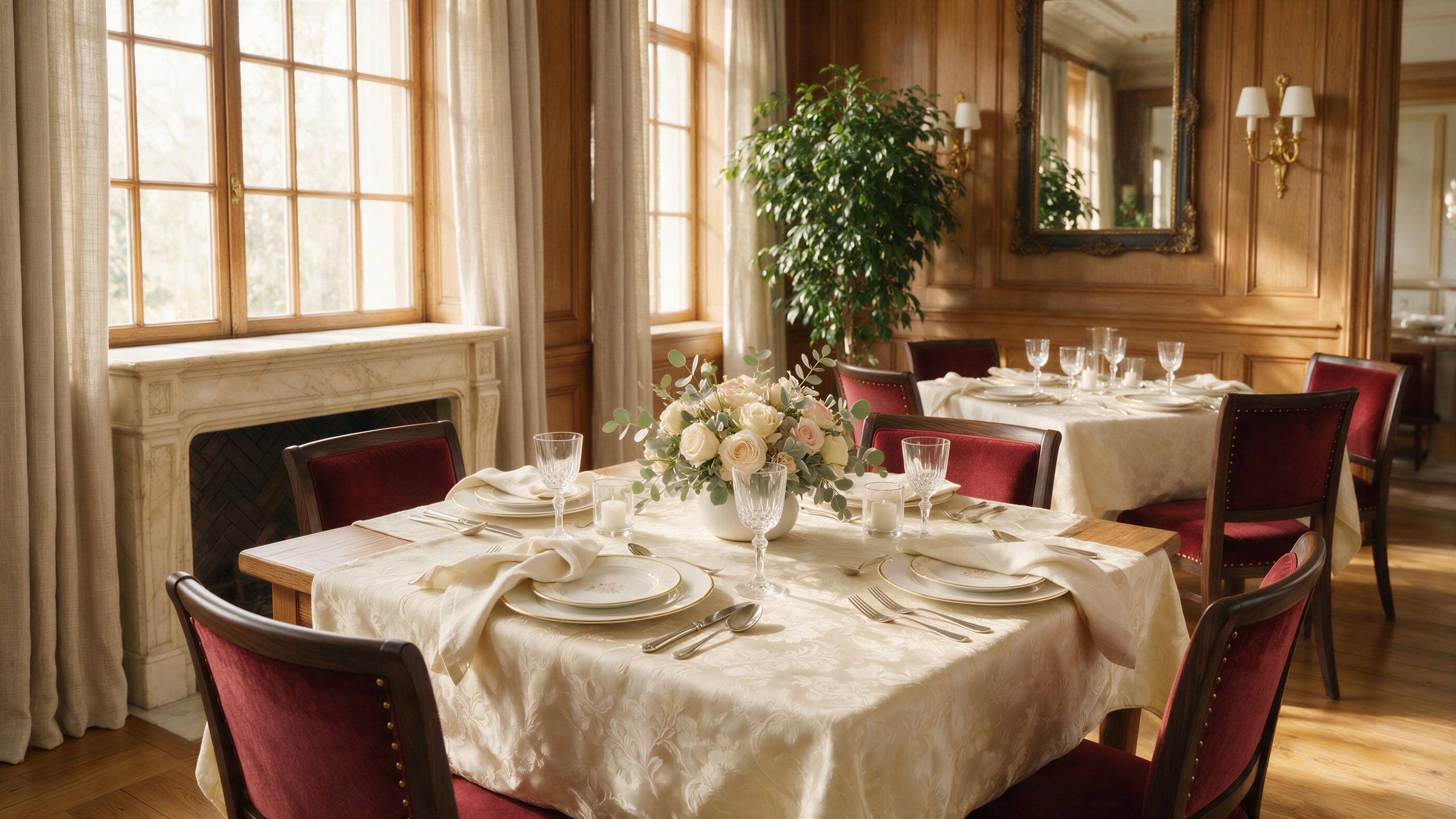
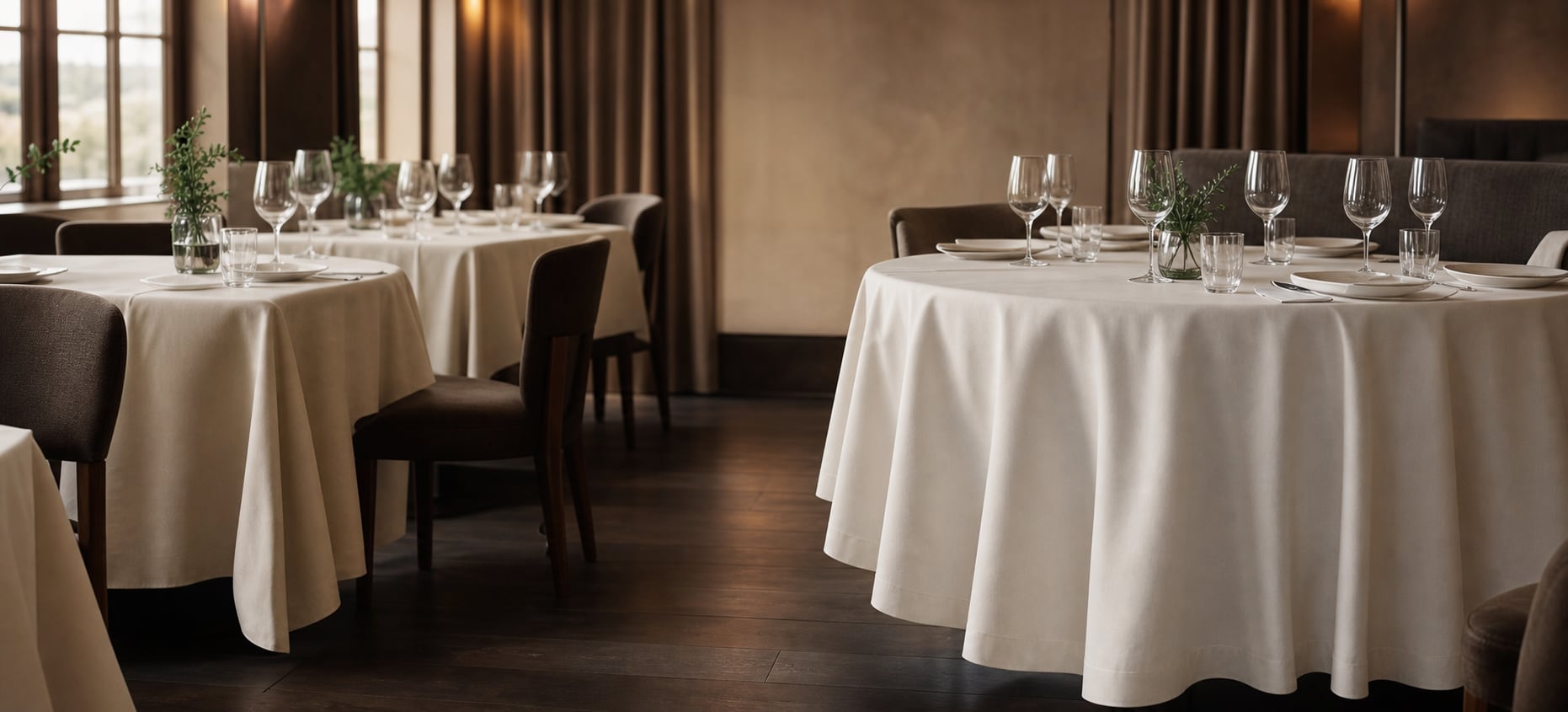
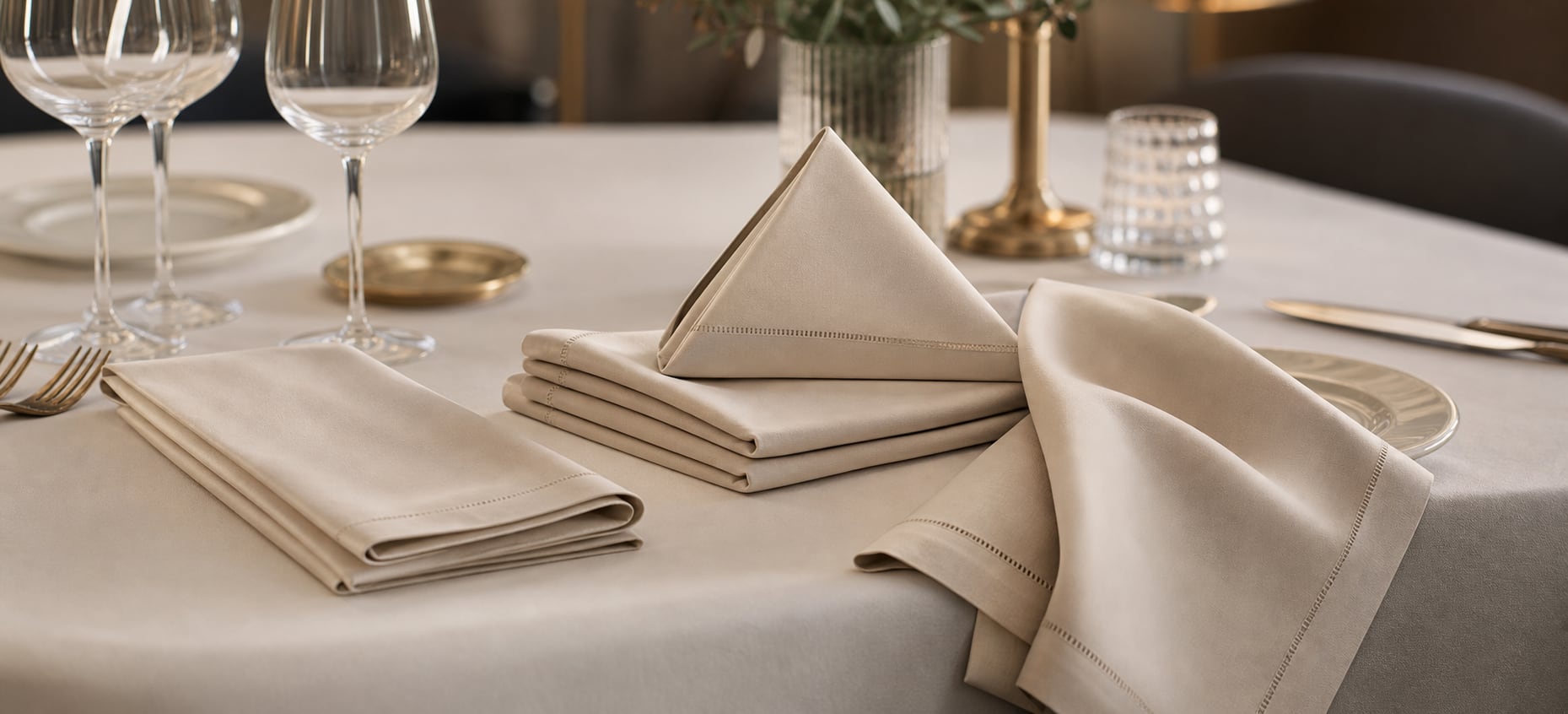
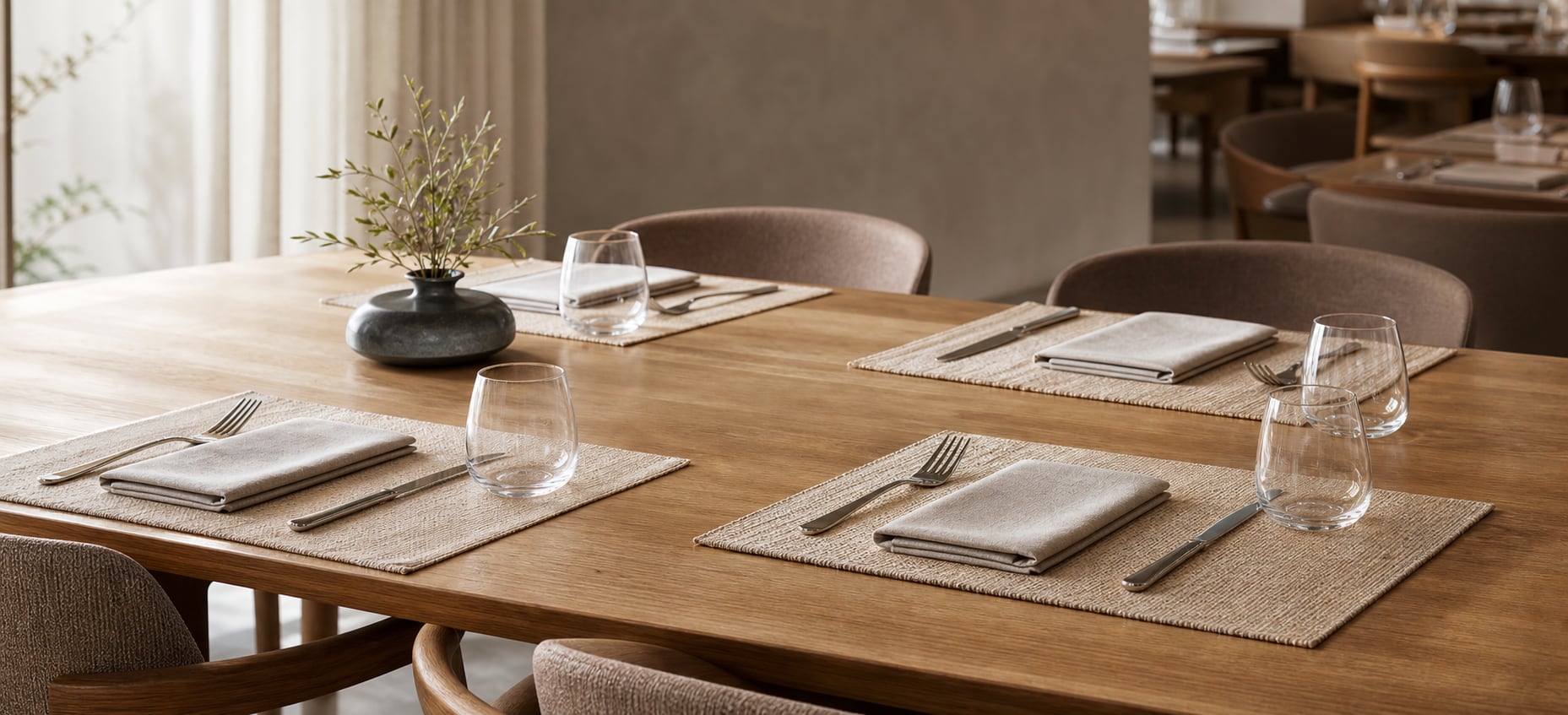
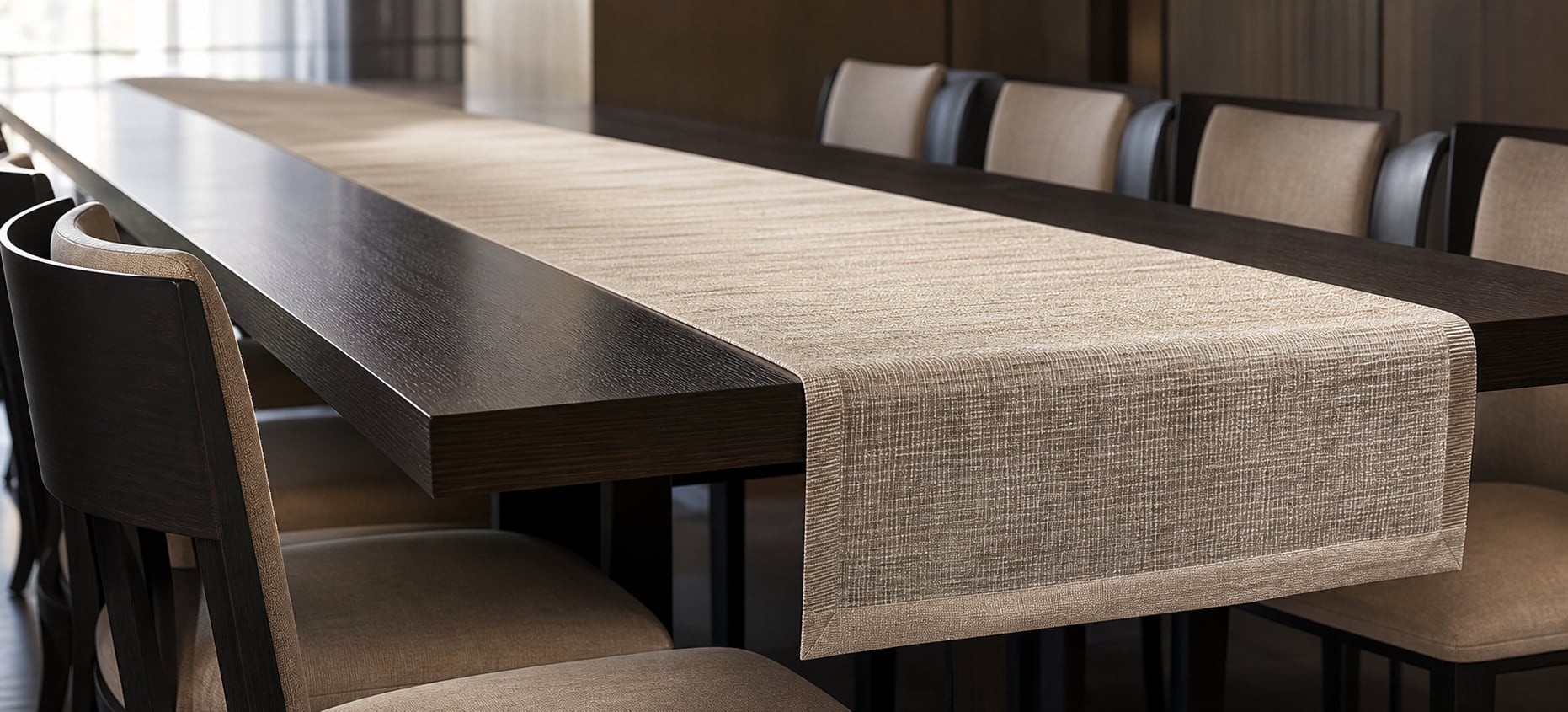
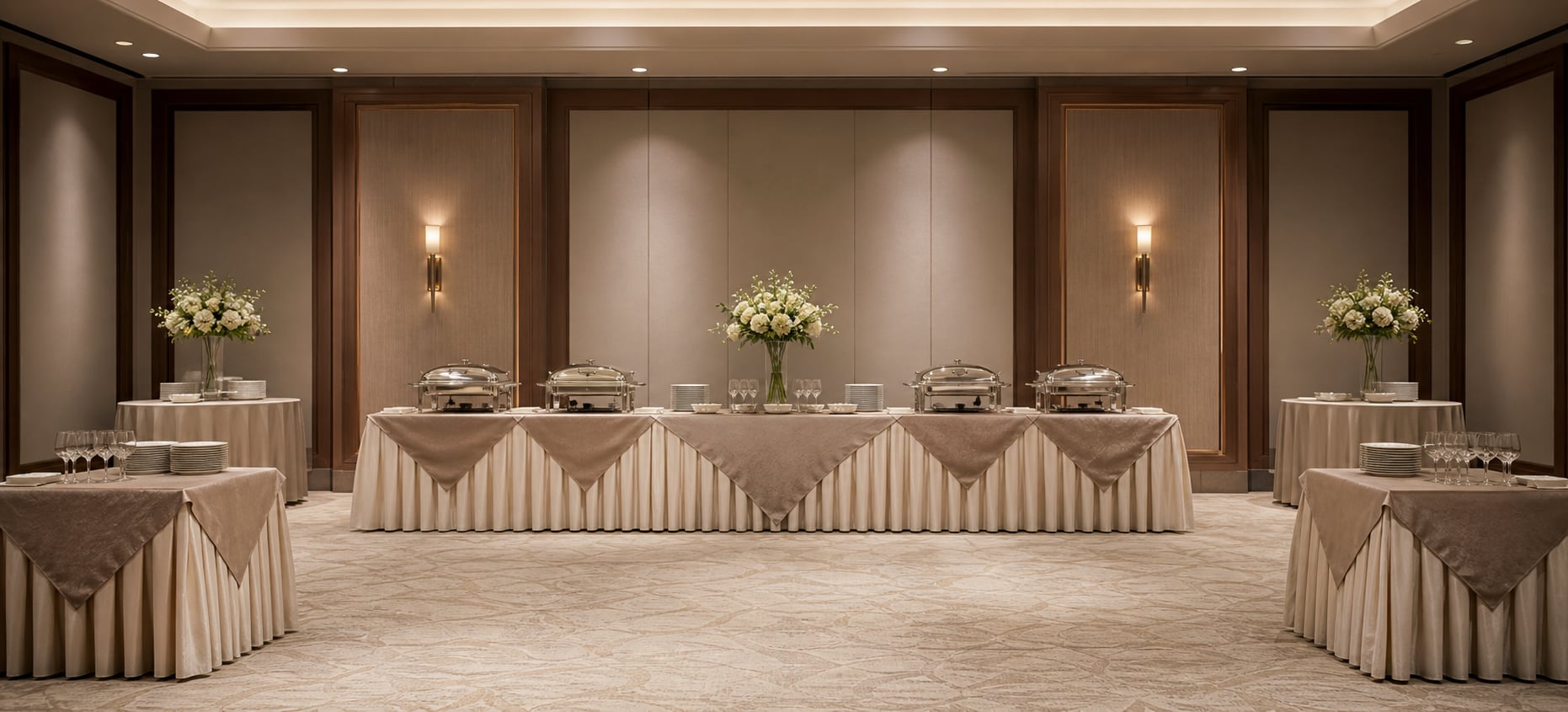
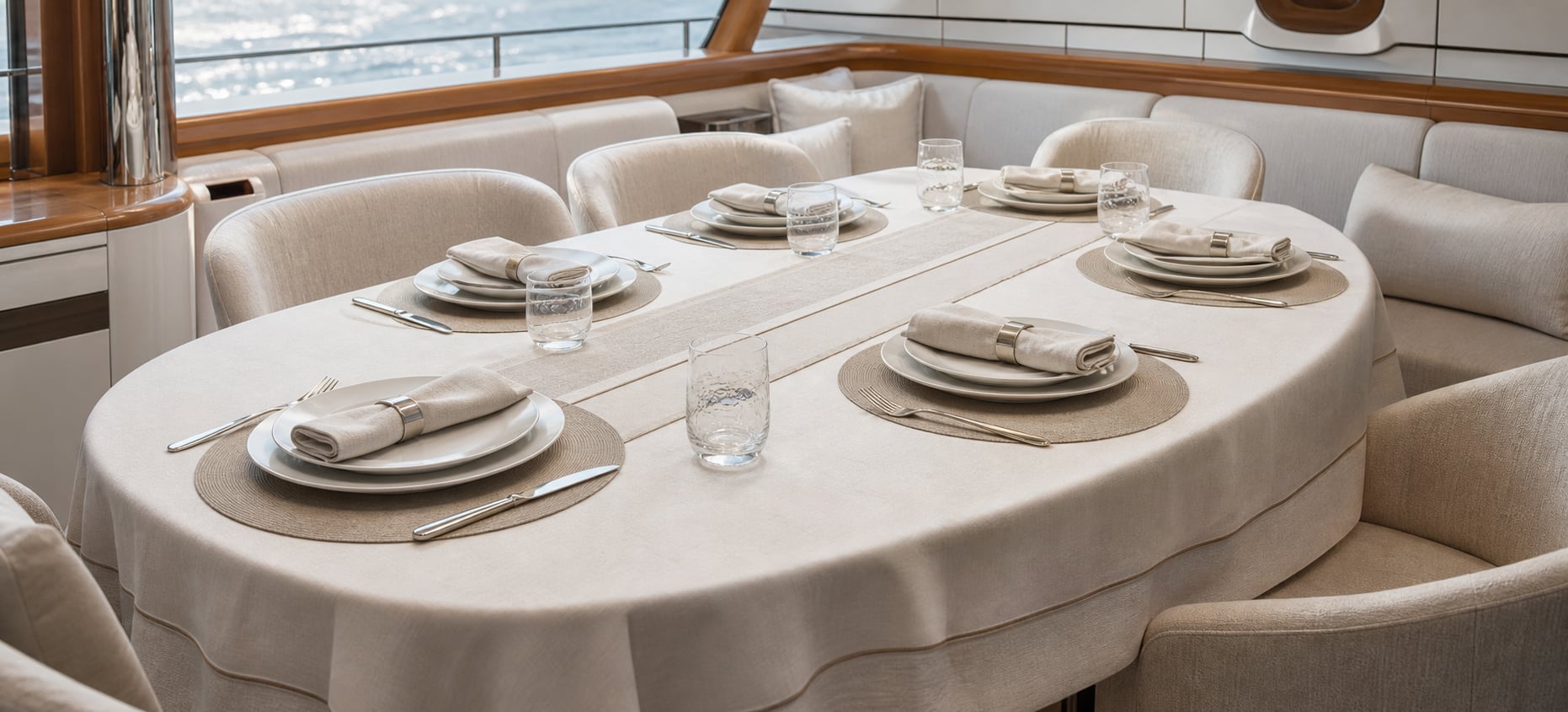
For dining areas, coordinate dimensions and care requirements with the actual tables and service style through the Yacht Table Linen range. Avoid treating onboard dining as a direct copy of a land-based restaurant specification.
Plan continuity across operating regions
Keep approved samples and concise specifications for every zone. Availability and production should be reconfirmed when replacements are needed, particularly when the vessel changes region. Gencer Studio can review non-standard dimensions, embroidery, identification, and presentation according to the project scope.
A practical decision summary
The strongest onboard textile programme separates operational needs while maintaining a calm, coherent identity. Explore the wider Life on Board collection when coordinating cabin, bath, deck, beach, dining, and crew textiles.
Product catalogue
Request the Life on Board catalogue
Share your business email and, if useful, your company or property name. We will carry these details into the secure catalogue-request form with the relevant category already selected.
Journal
Continue reading
What Makes a Towel Suitable for Spa and Wellness Use?
Understanding absorbency, weight, softness, drying time, and operational consistency in professional wellness settings.
Read What Makes a Towel Suitable for Spa and Wellness Use?How to Choose Bed Linen for a Boutique Hotel
A practical guide to fibre, weave, weight, durability, and guest comfort when specifying hotel bed linen.
Read How to Choose Bed Linen for a Boutique HotelWhy Table Linen Still Matters in Modern Hospitality
How proportion, texture, drape, and care influence the experience of a restaurant or hotel dining room.
Read Why Table Linen Still Matters in Modern Hospitality