



Hospitality Textiles
Textiles shaped around hospitality.
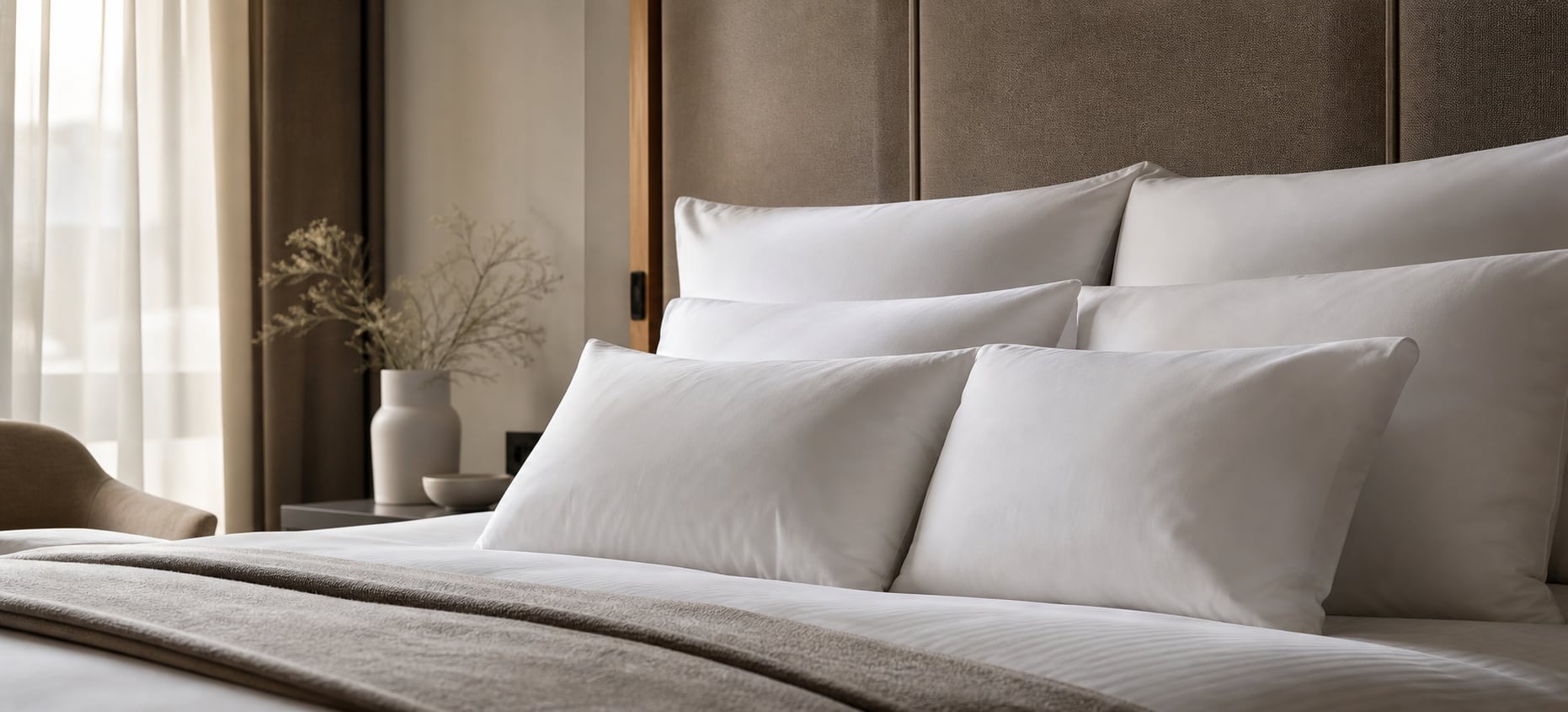
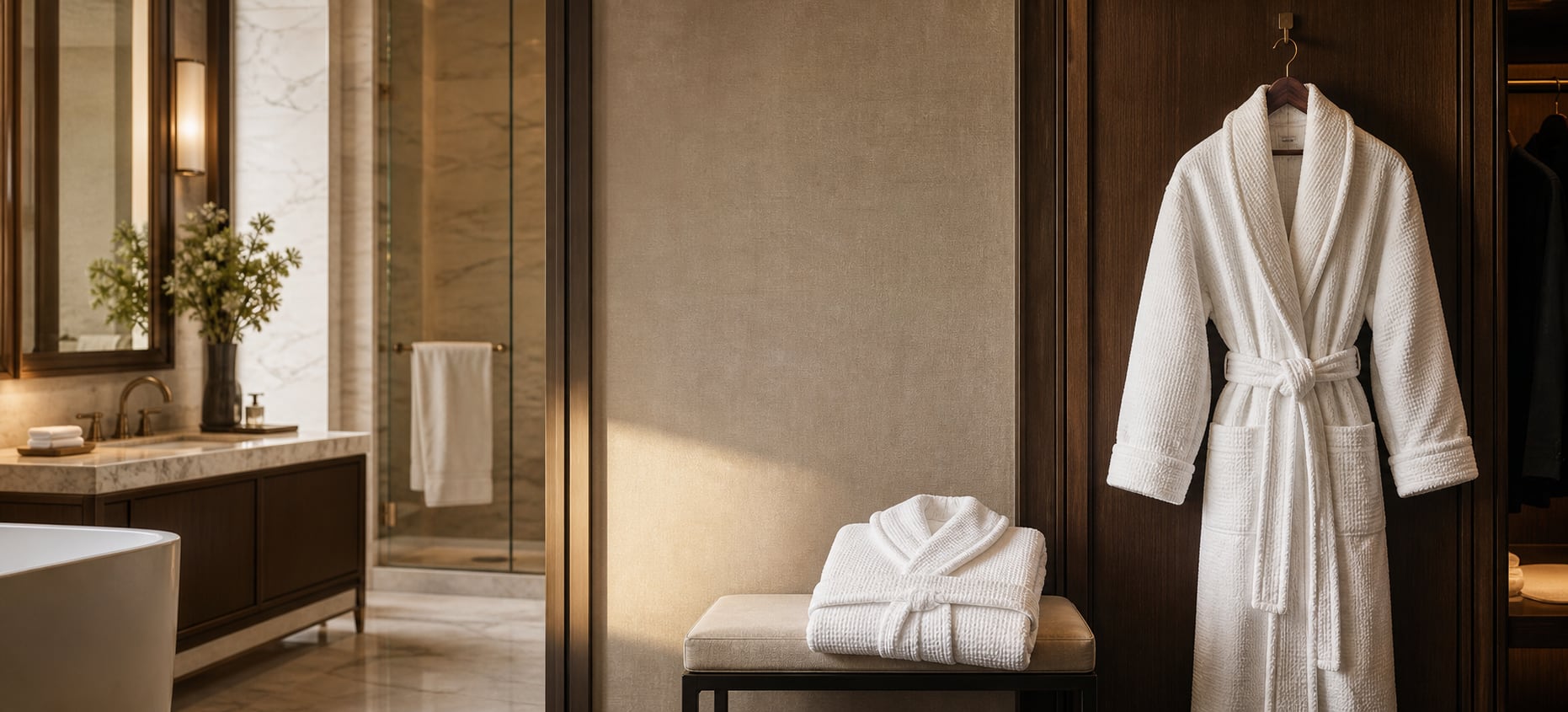
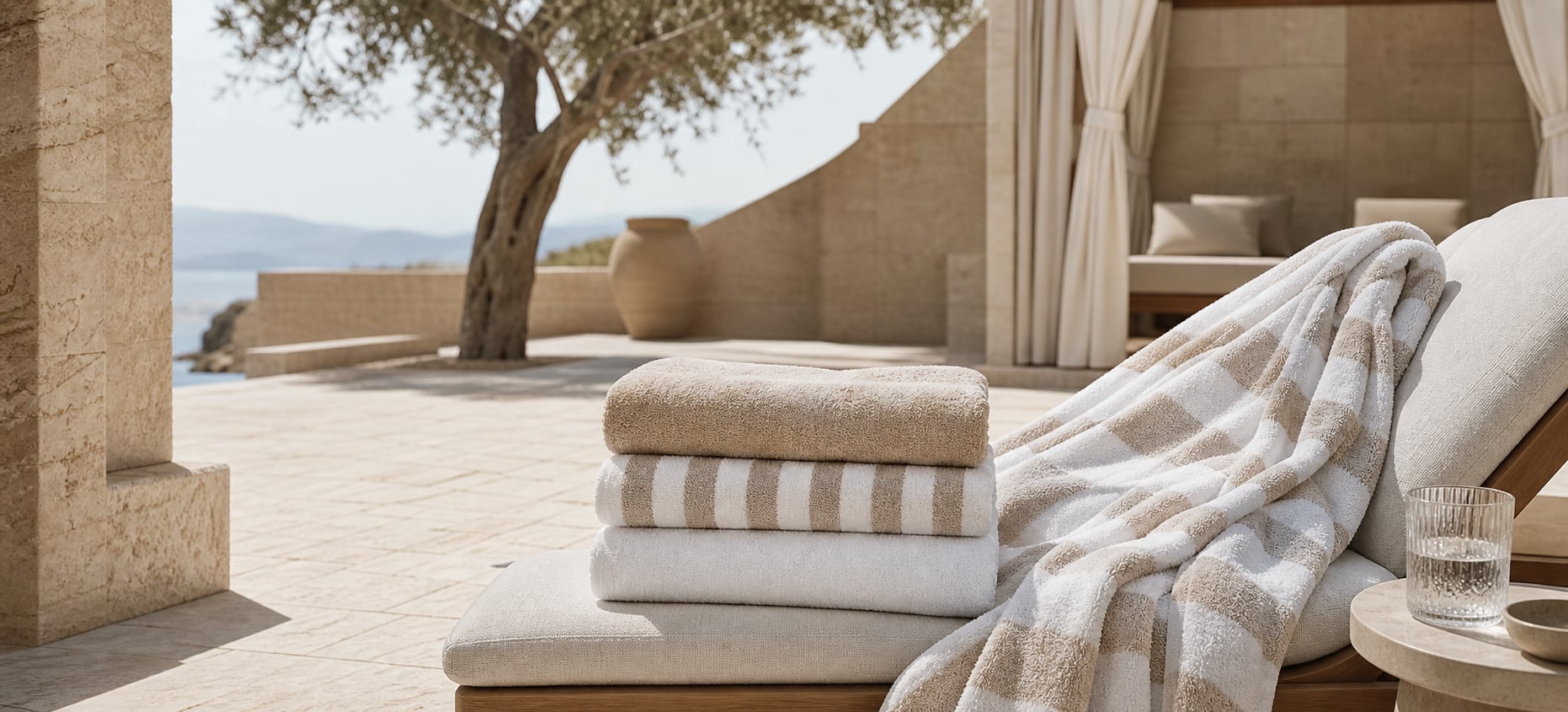
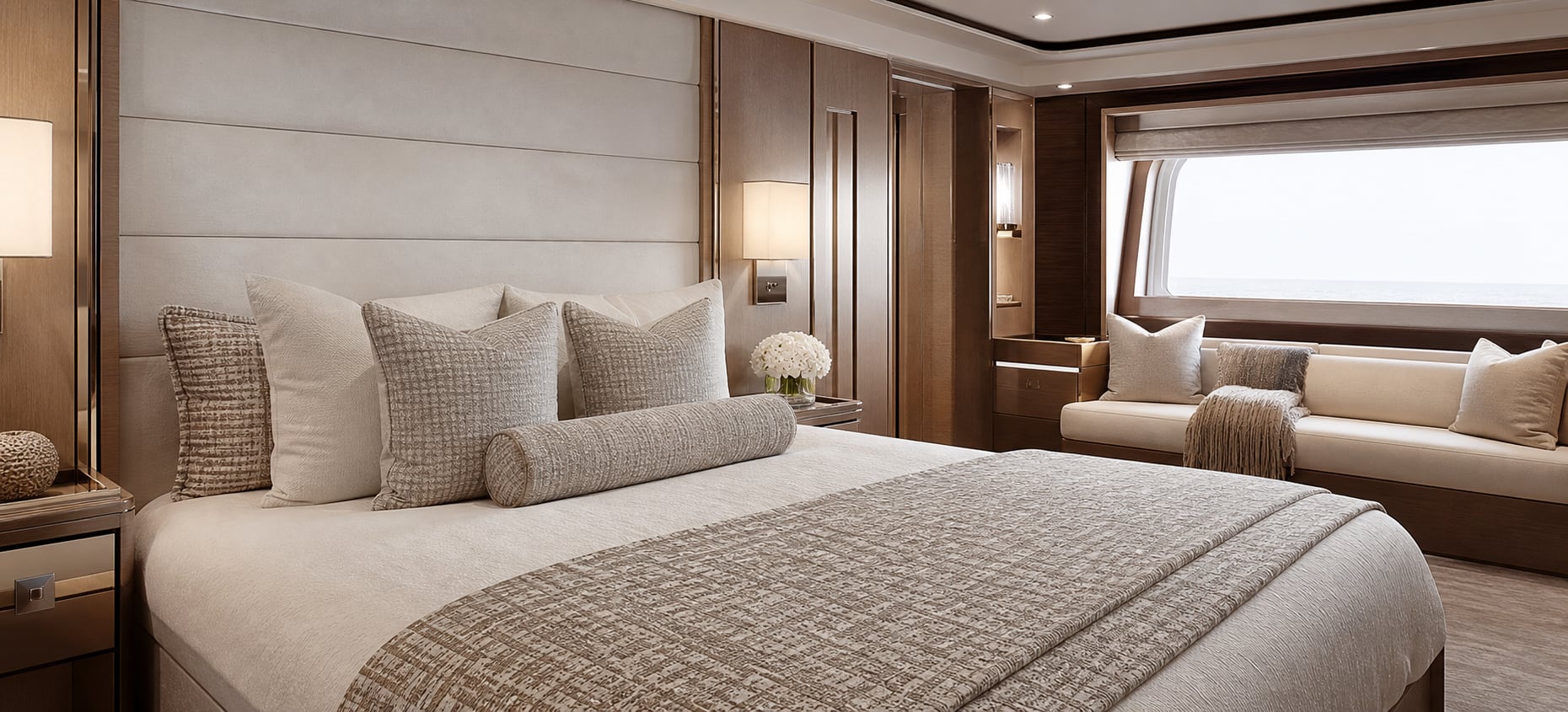
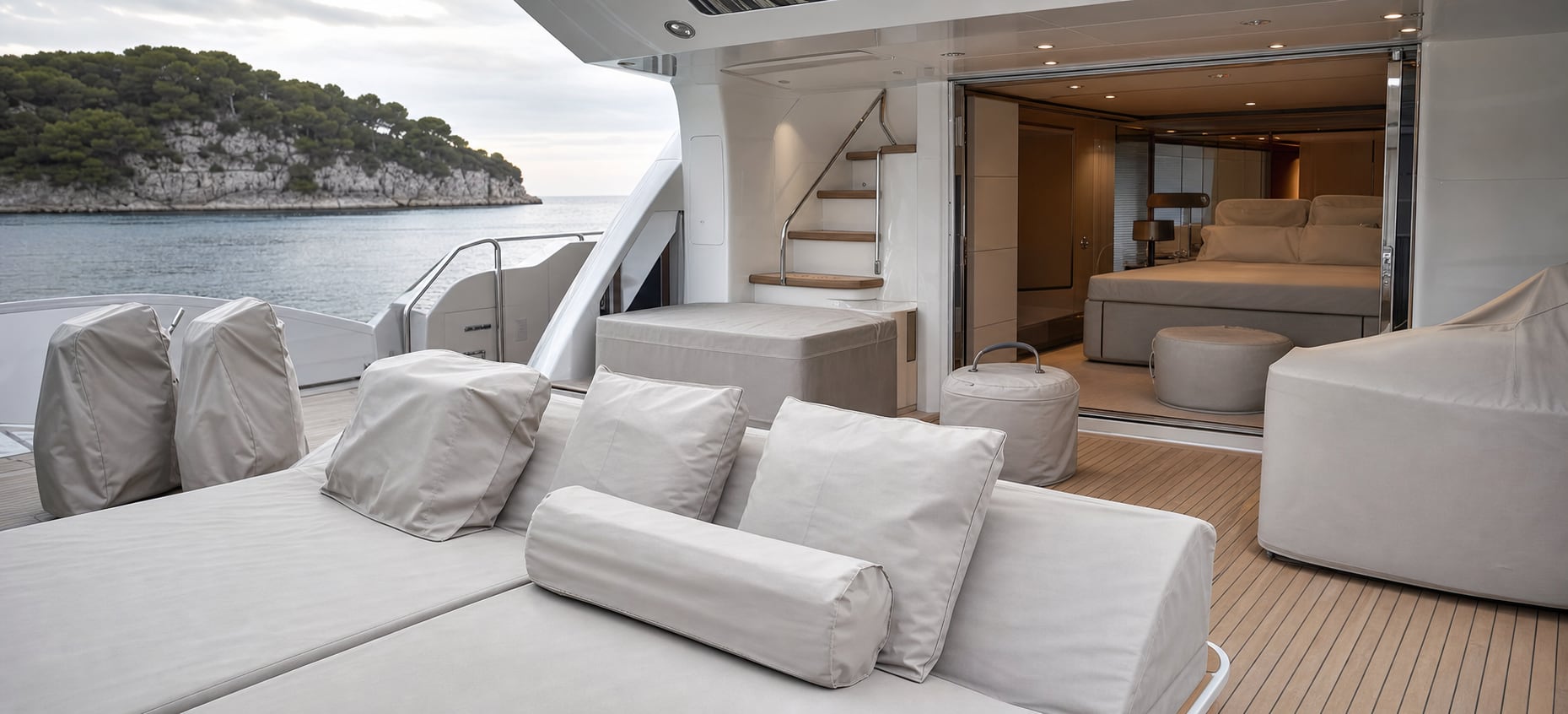
Bed, bath, dining, wellness and yacht textiles developed around your standards, property and identity.
- Custom Dimensions
- Material & Weight Selection
- Colour & Branding
- Recorded Specifications
Our Collections
Explore by category.
Textiles developed for the different environments of hospitality, from guest rooms and dining spaces to wellness and life on board.

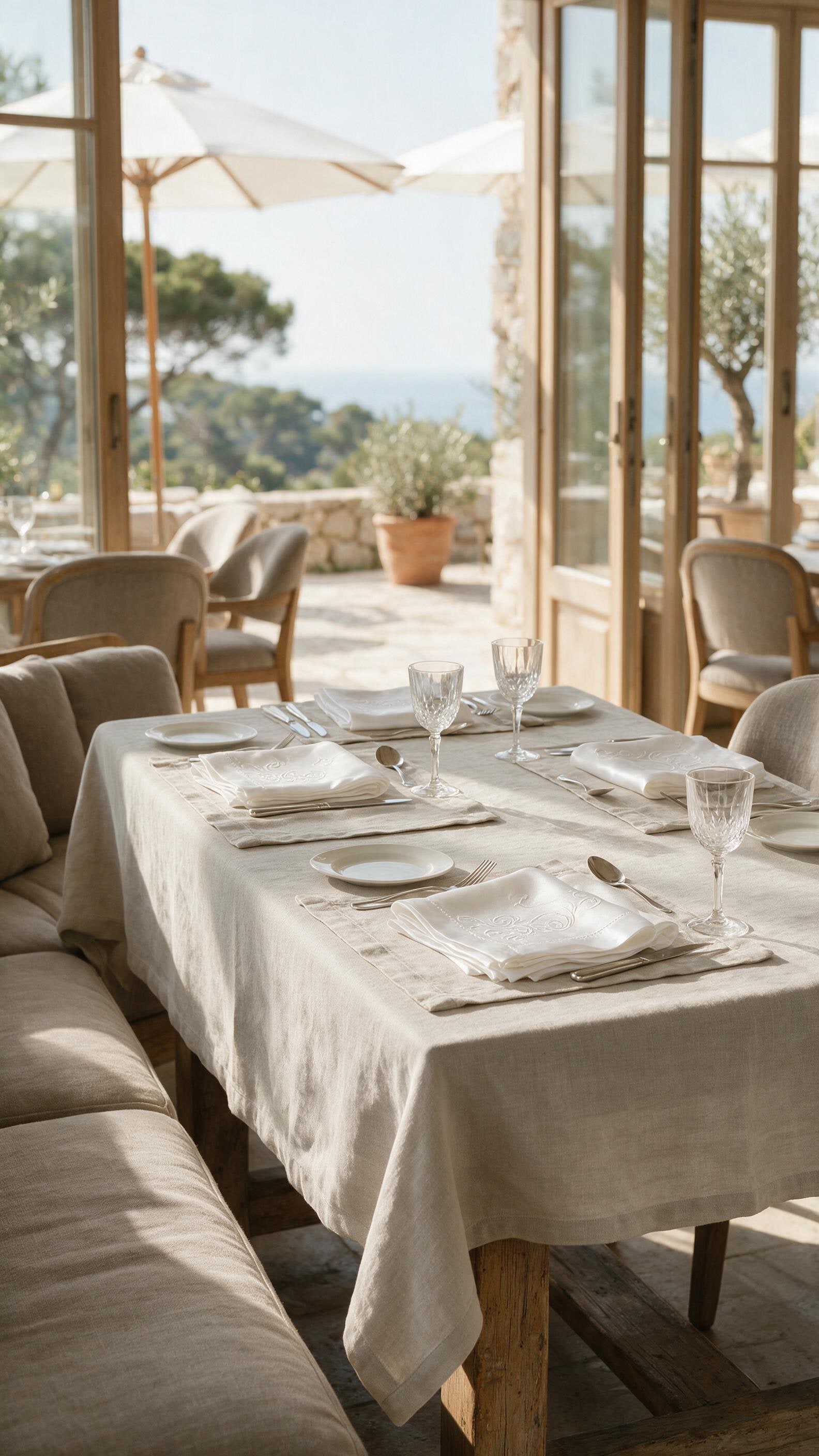
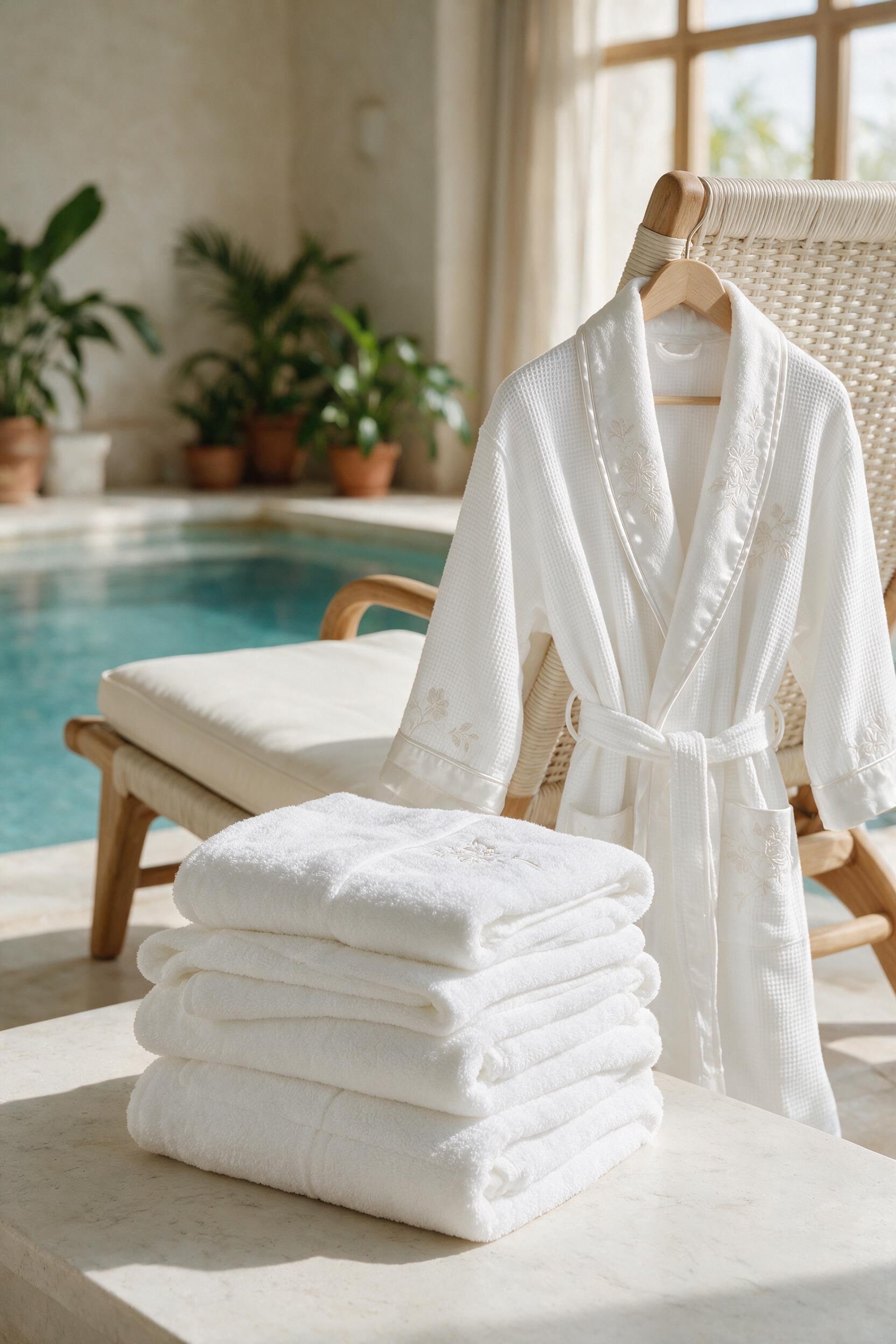
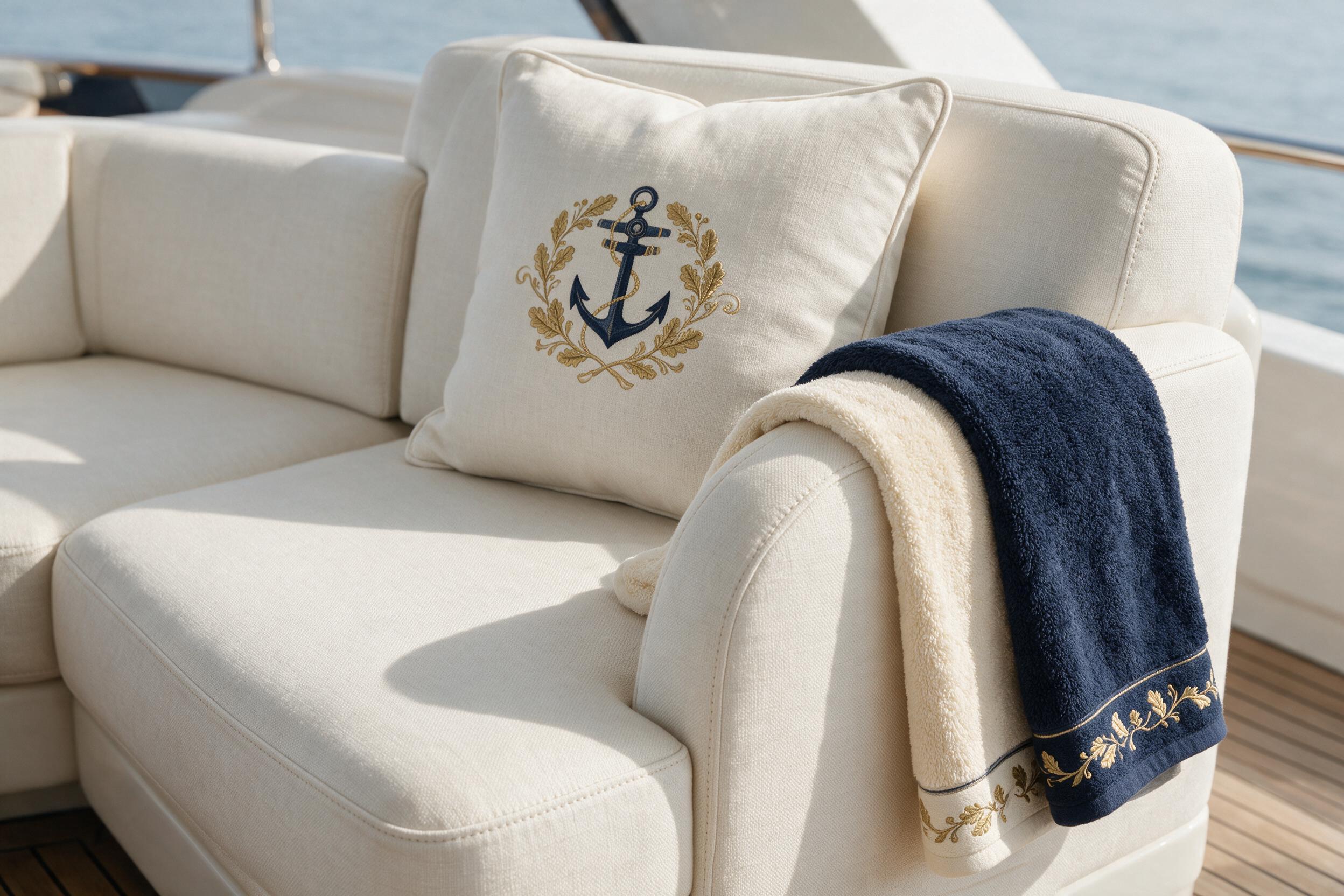
Gencer Textiles develops hospitality textiles around each property, with dimensions, materials, colour and finishing shaped to its requirements. Clear specifications preserve consistency from first sample to repeat order, while the Gencer Client Portal keeps products, orders and documents together.
Our Products
Products made for hospitality.
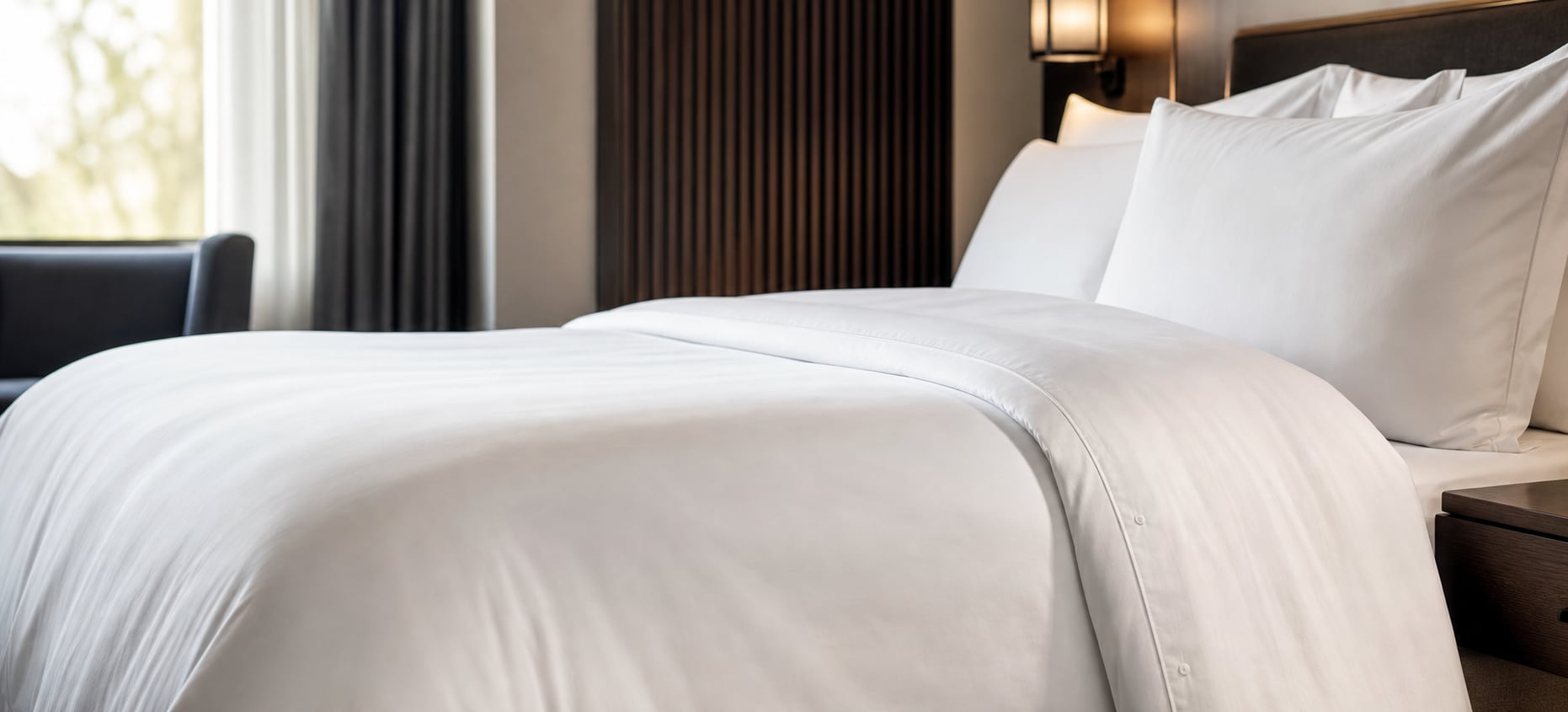
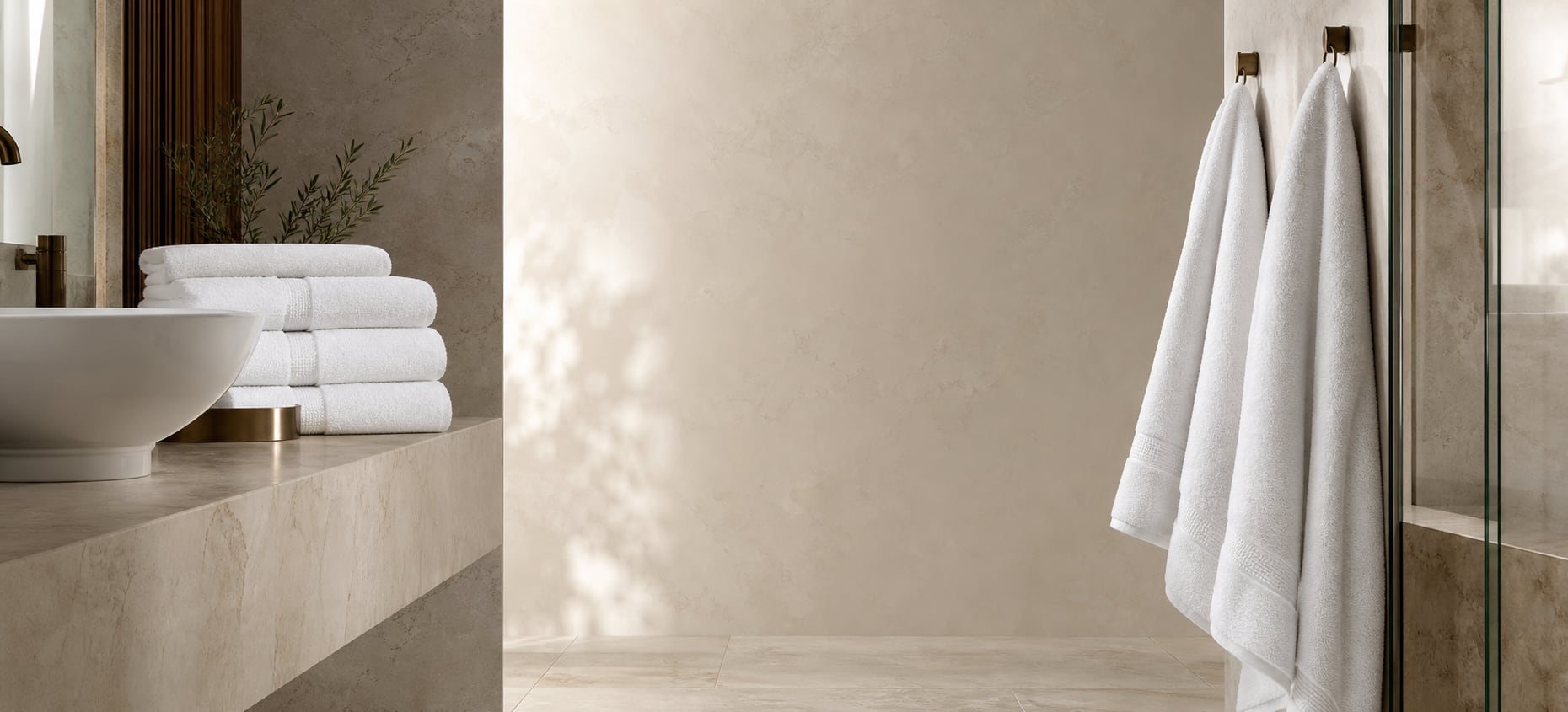
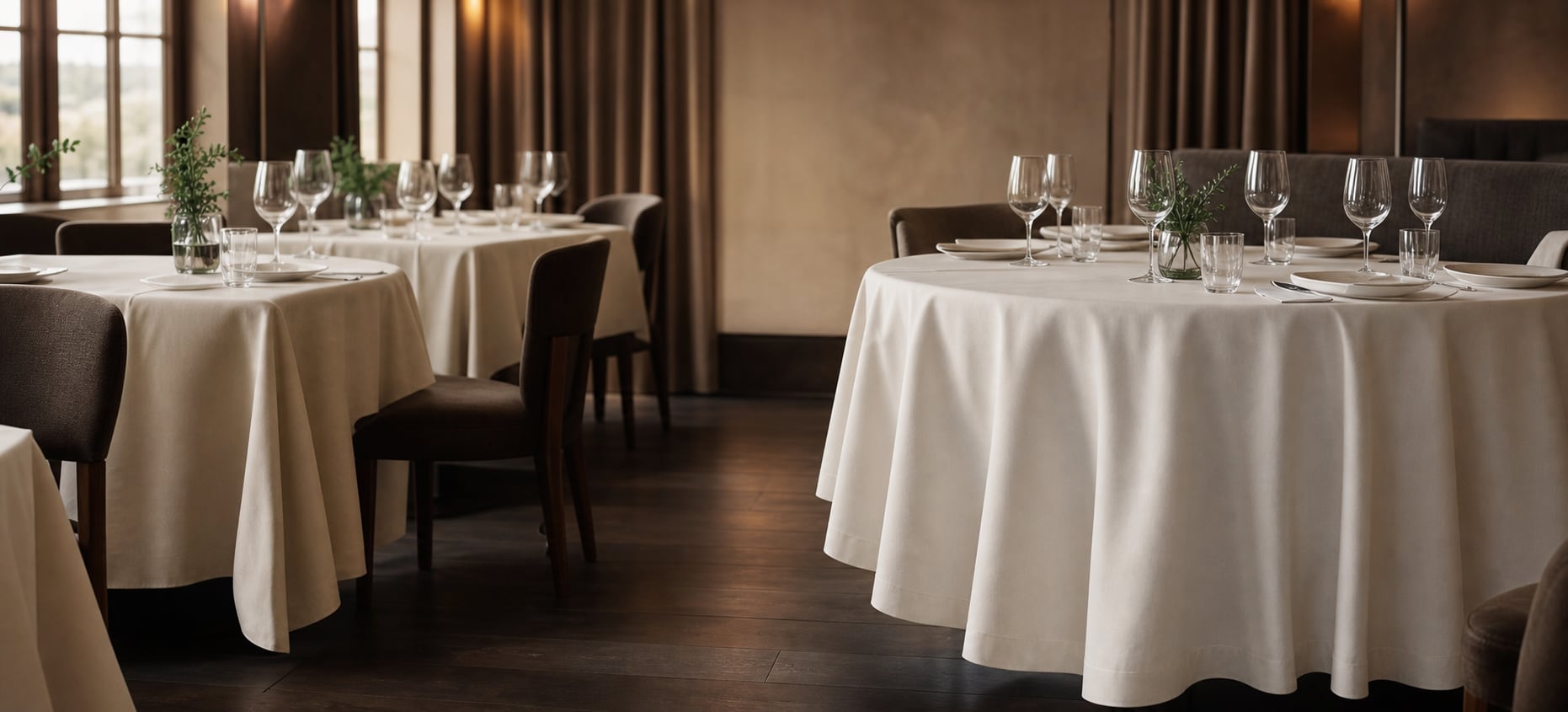
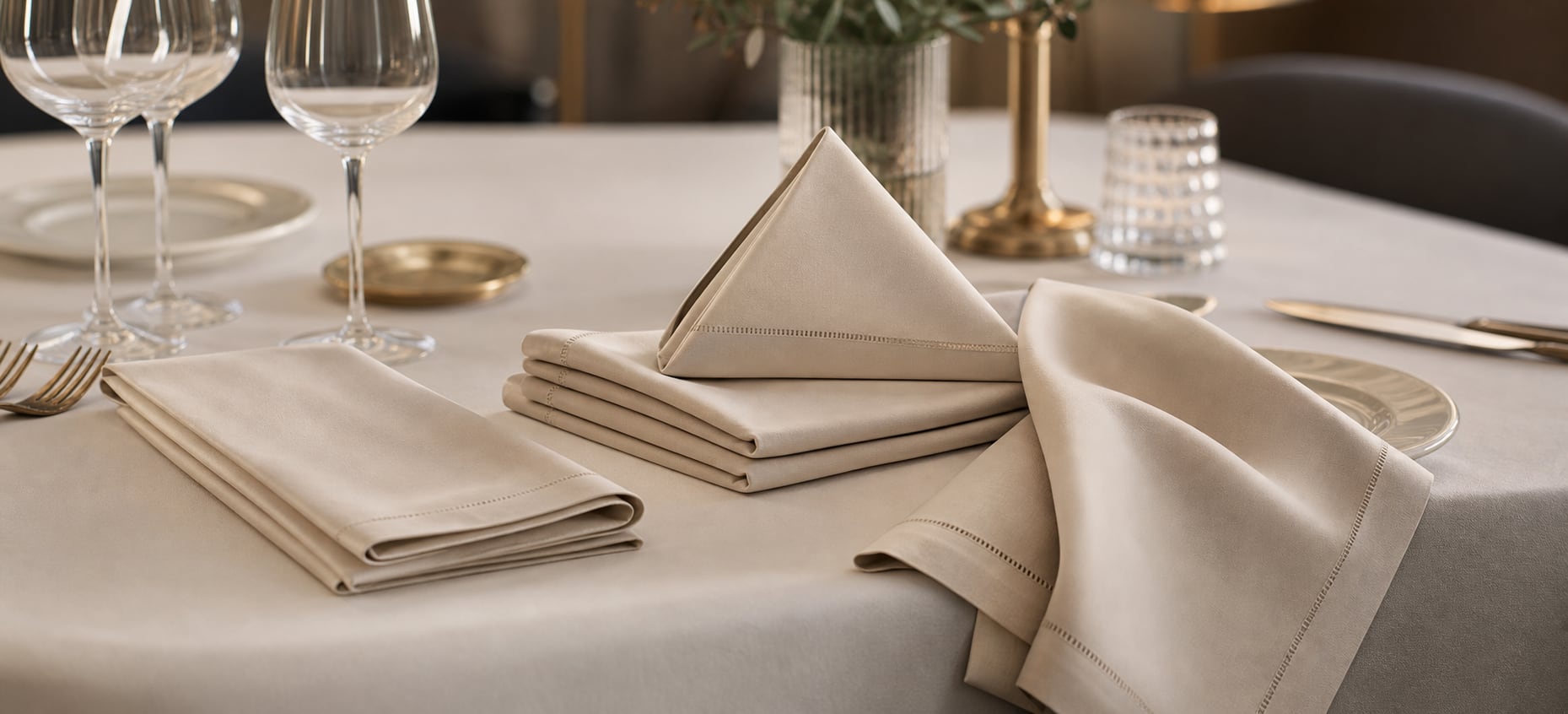
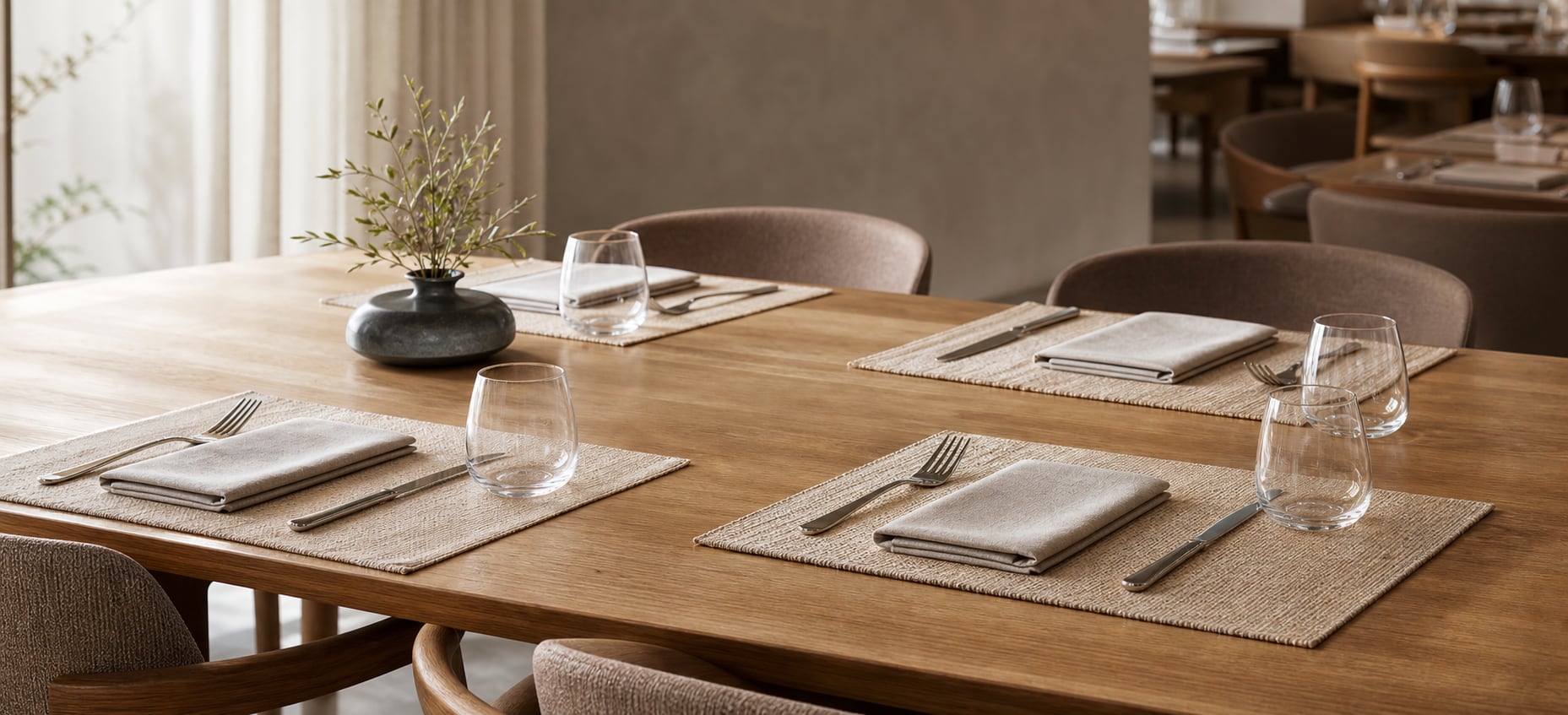
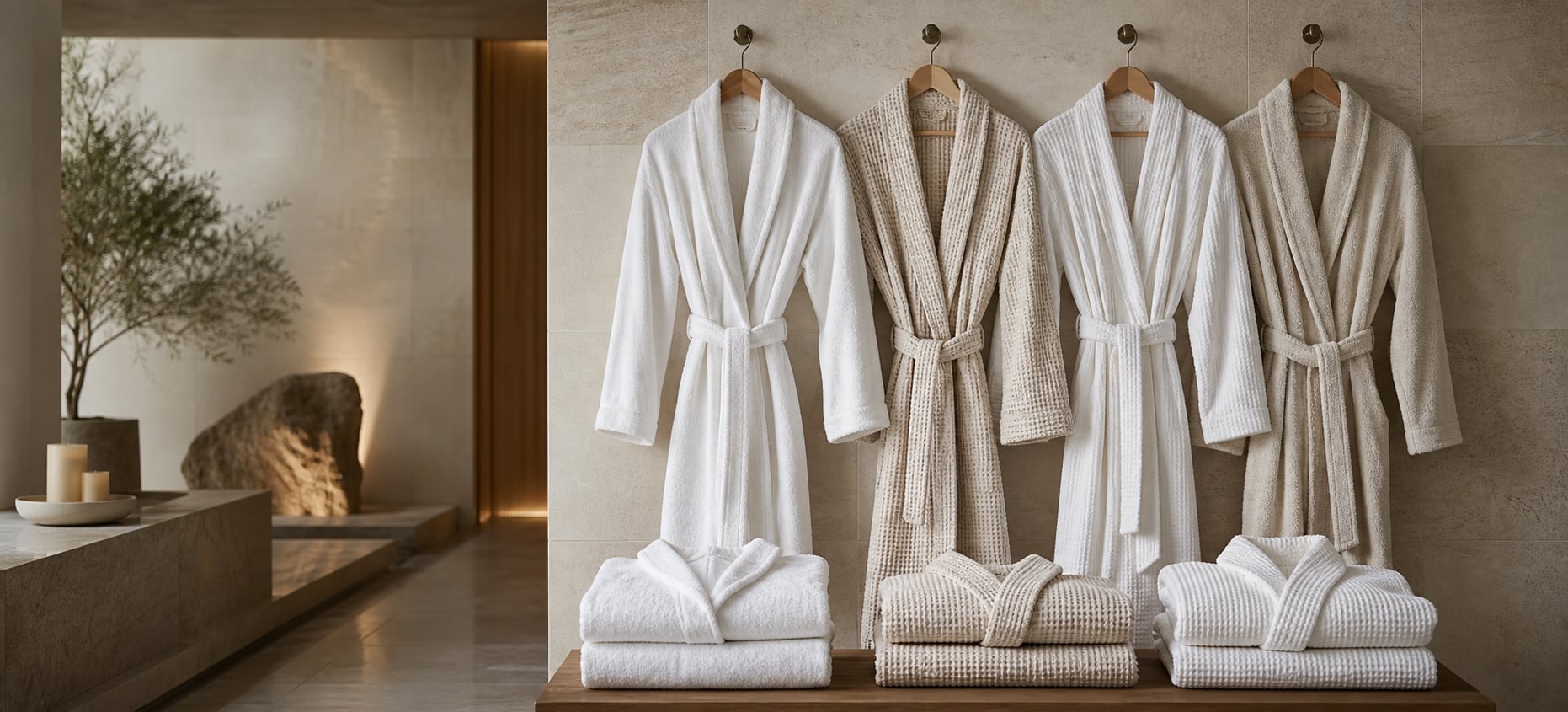
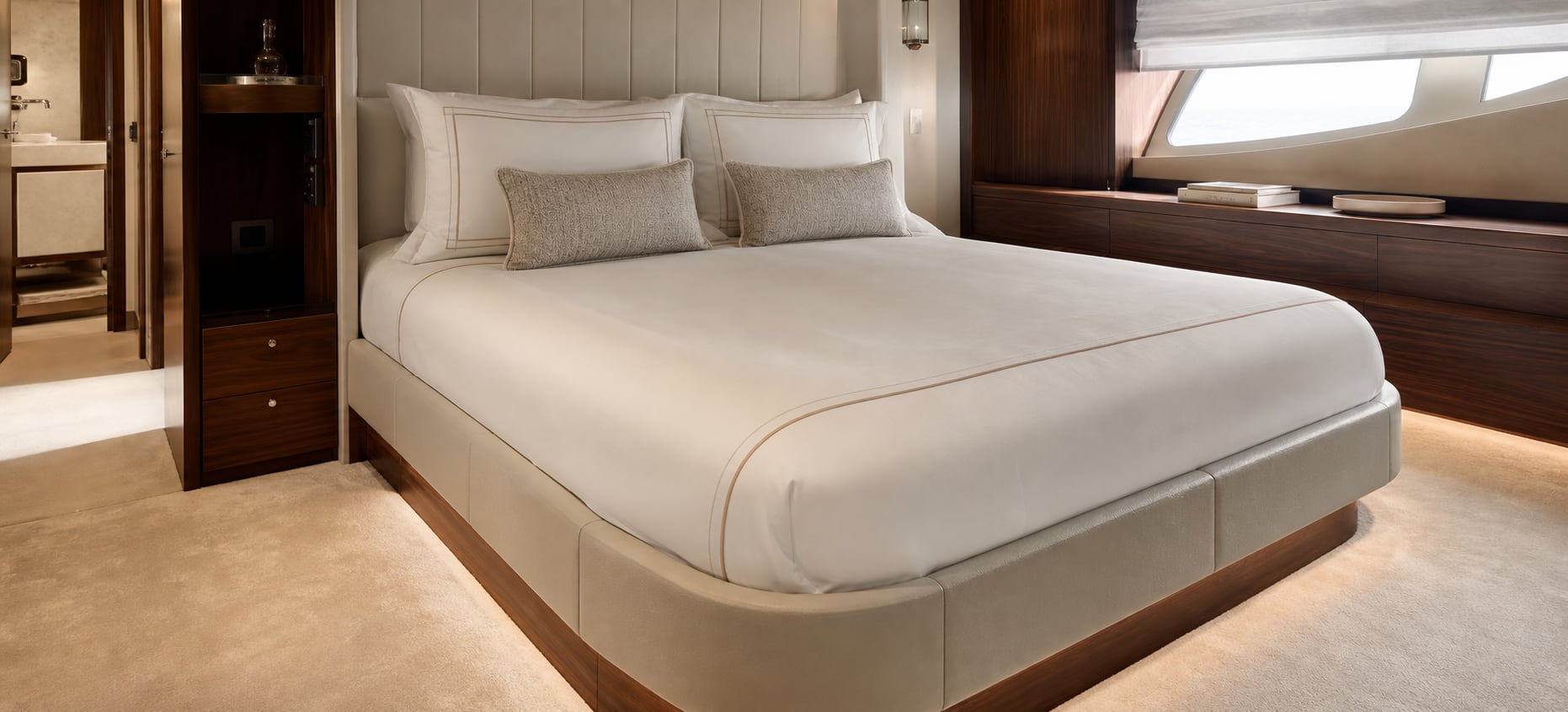
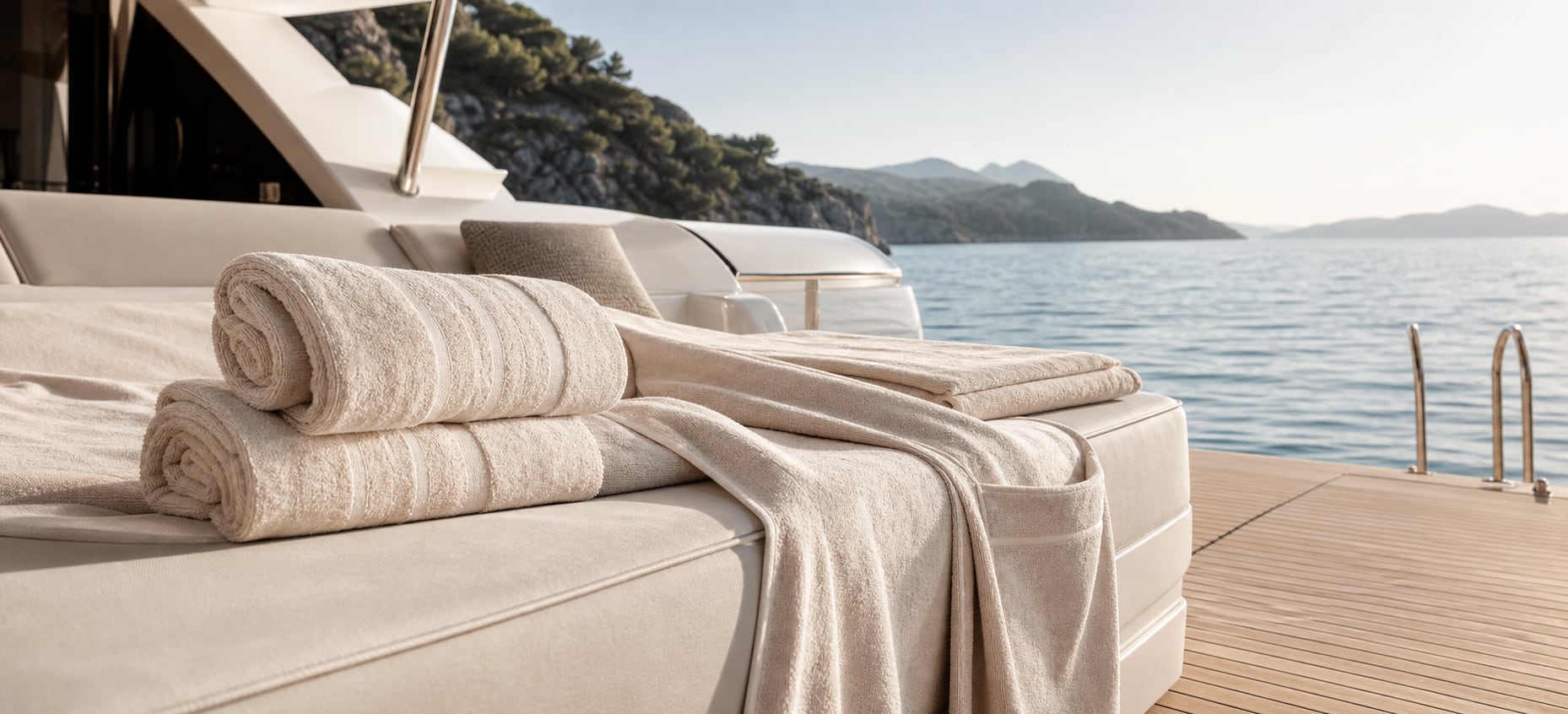
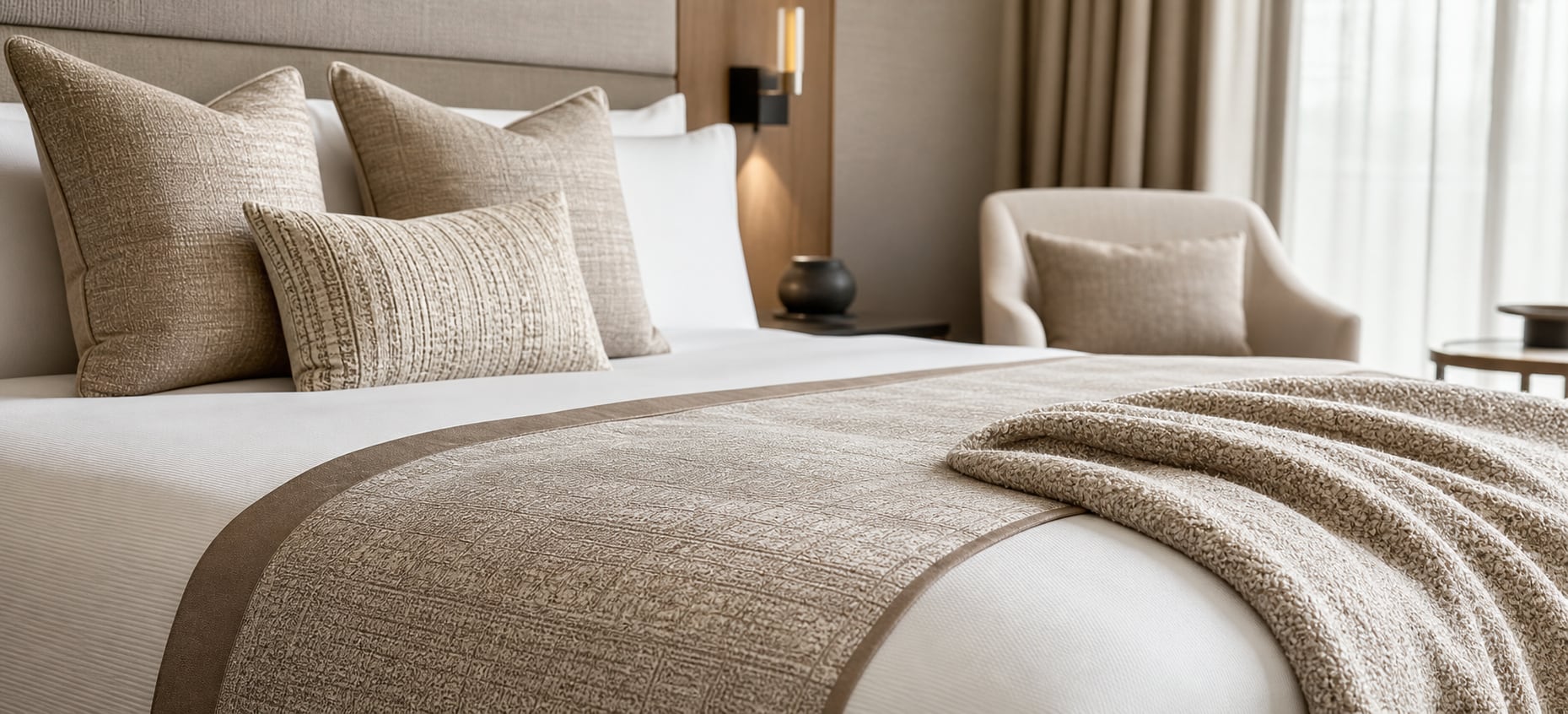
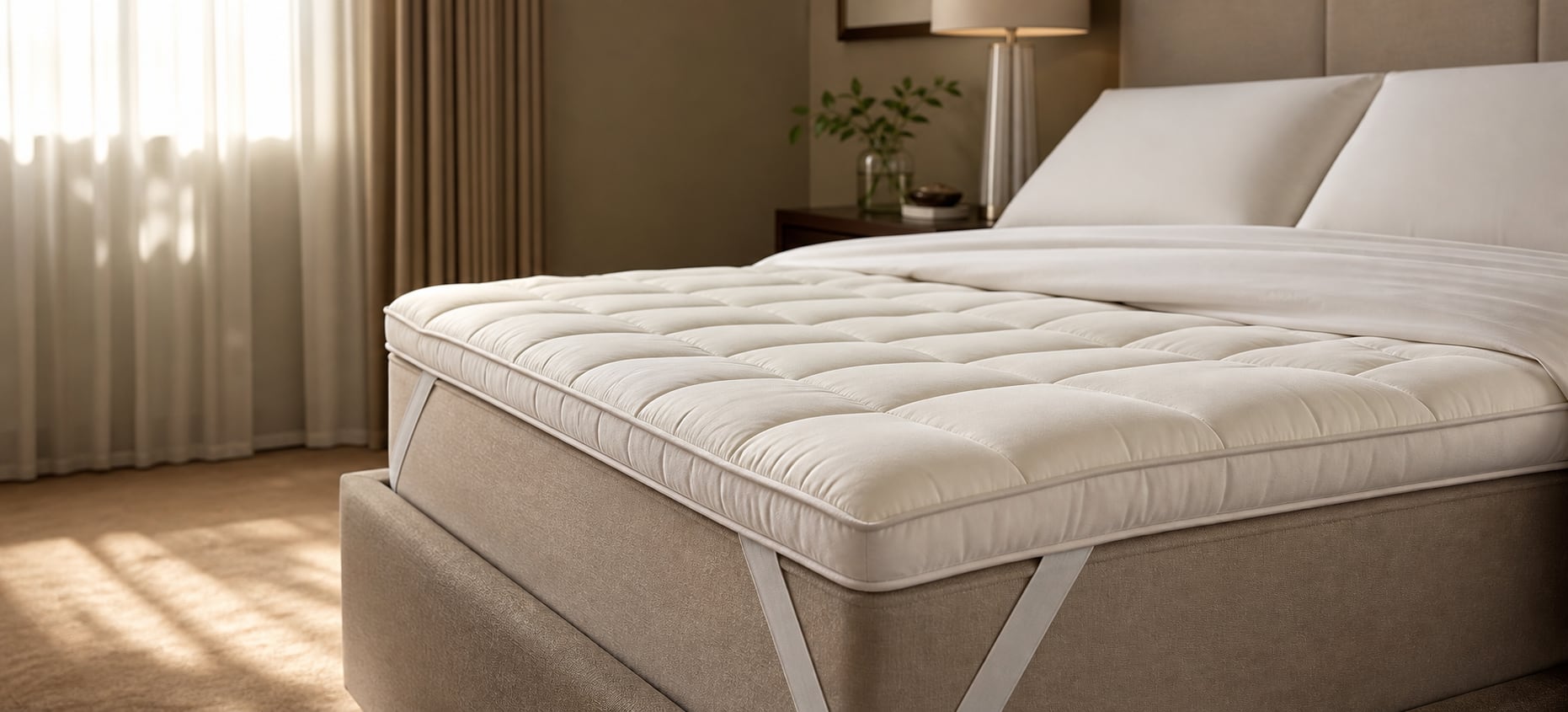
Explore bed, bath, table, spa and yacht textiles developed for professional use, custom requirements and reliable repeat supply.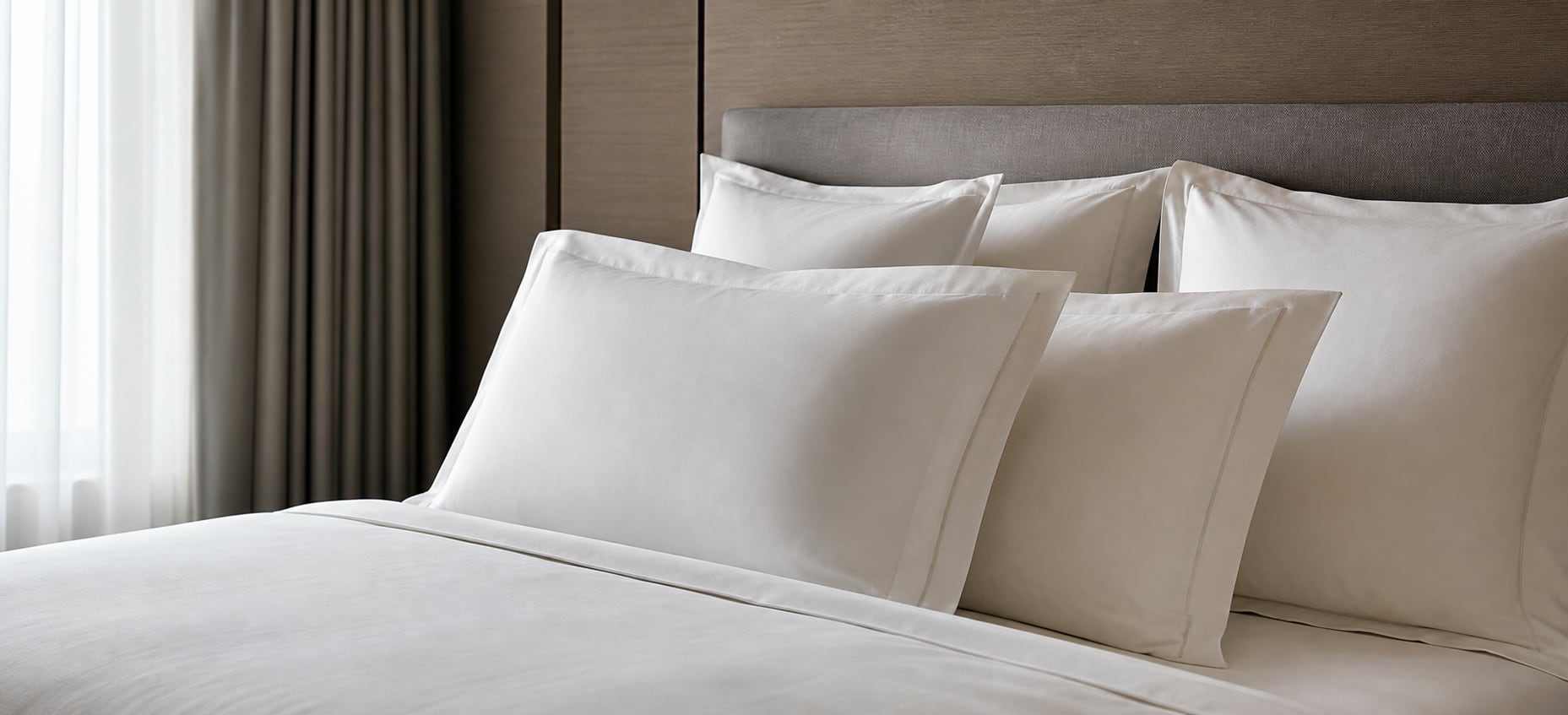


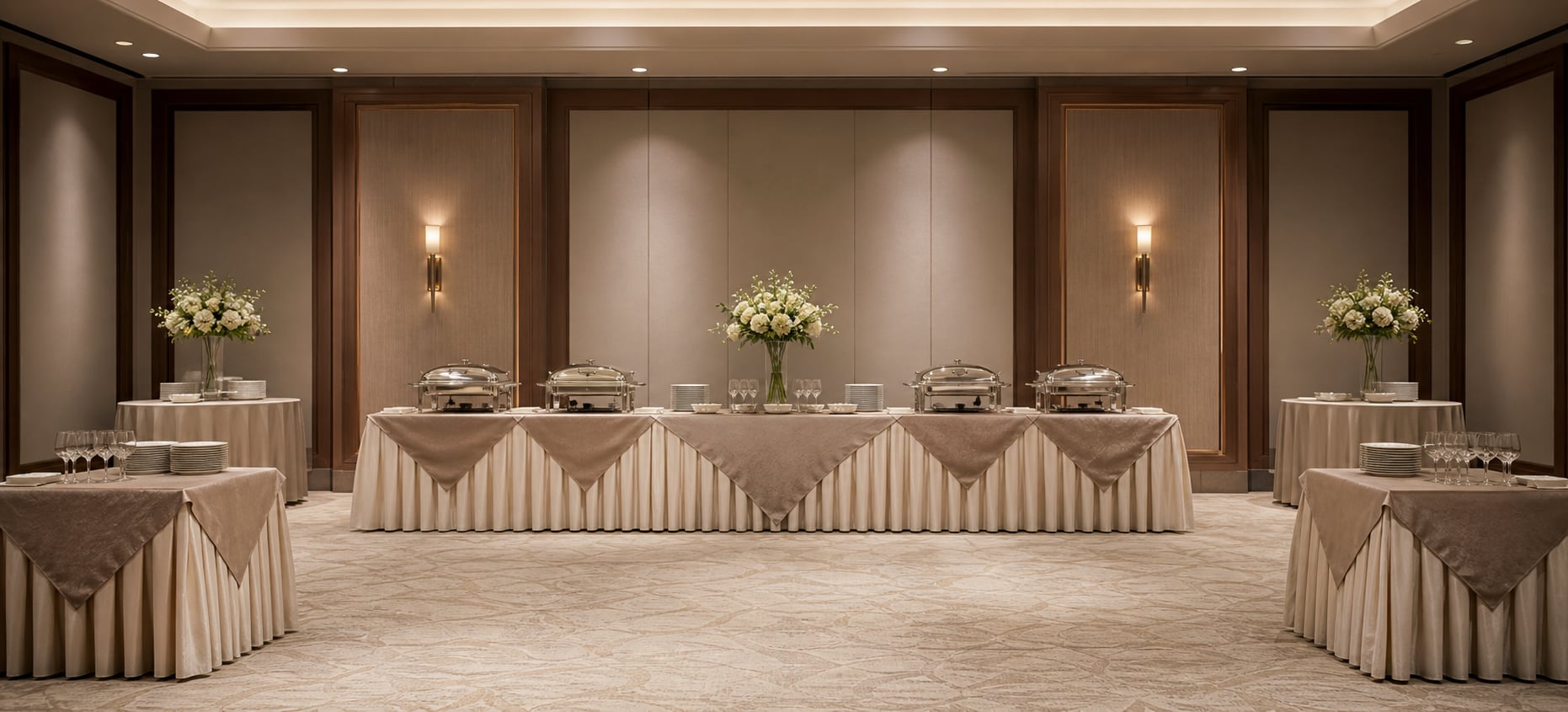
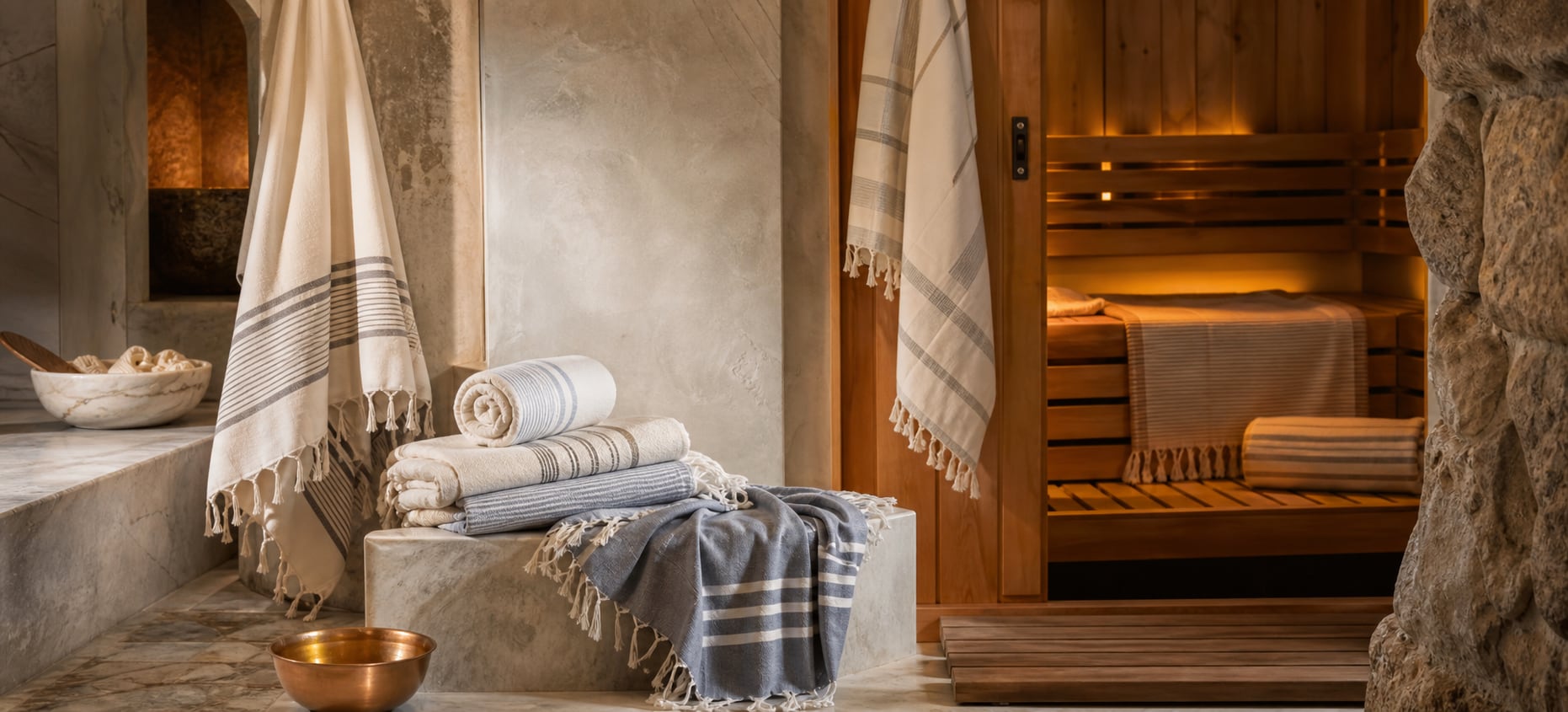
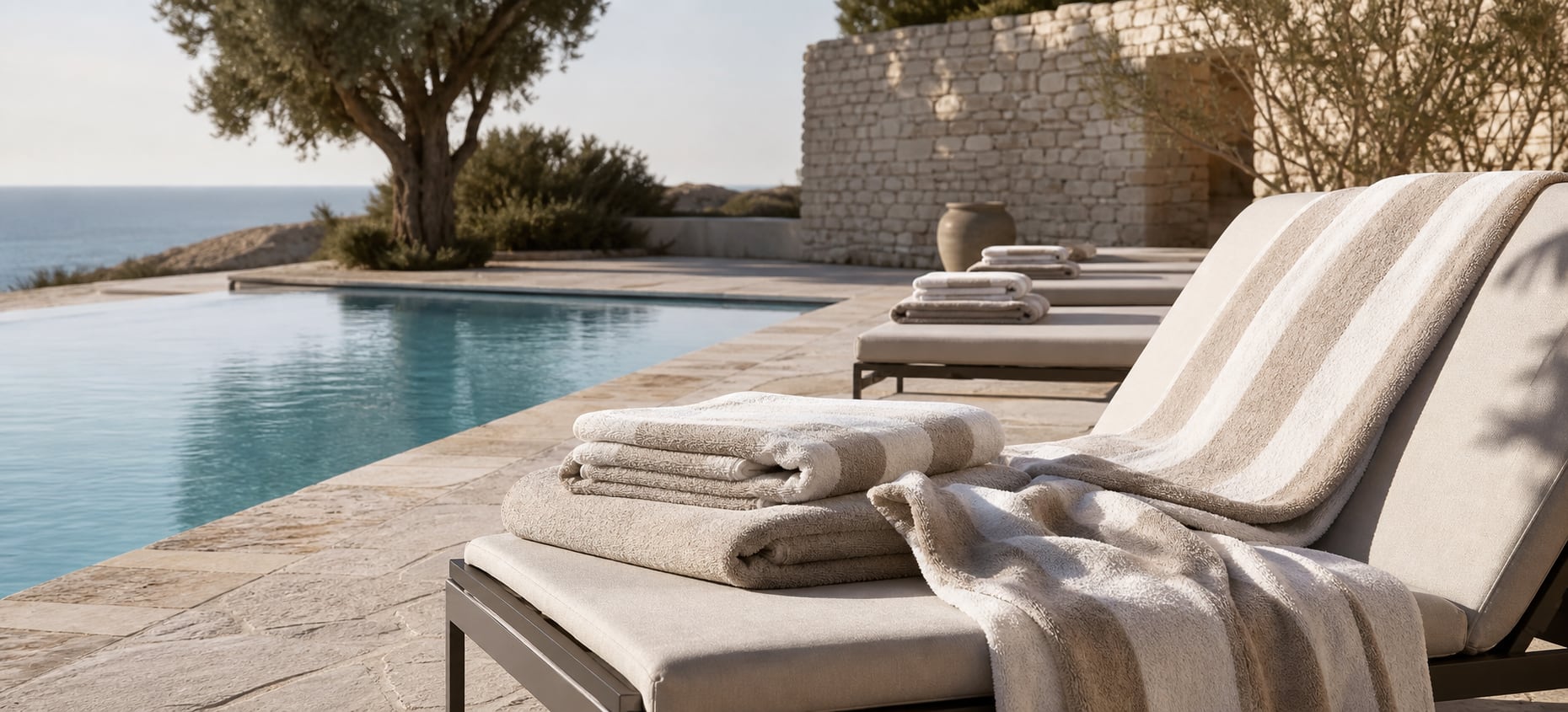

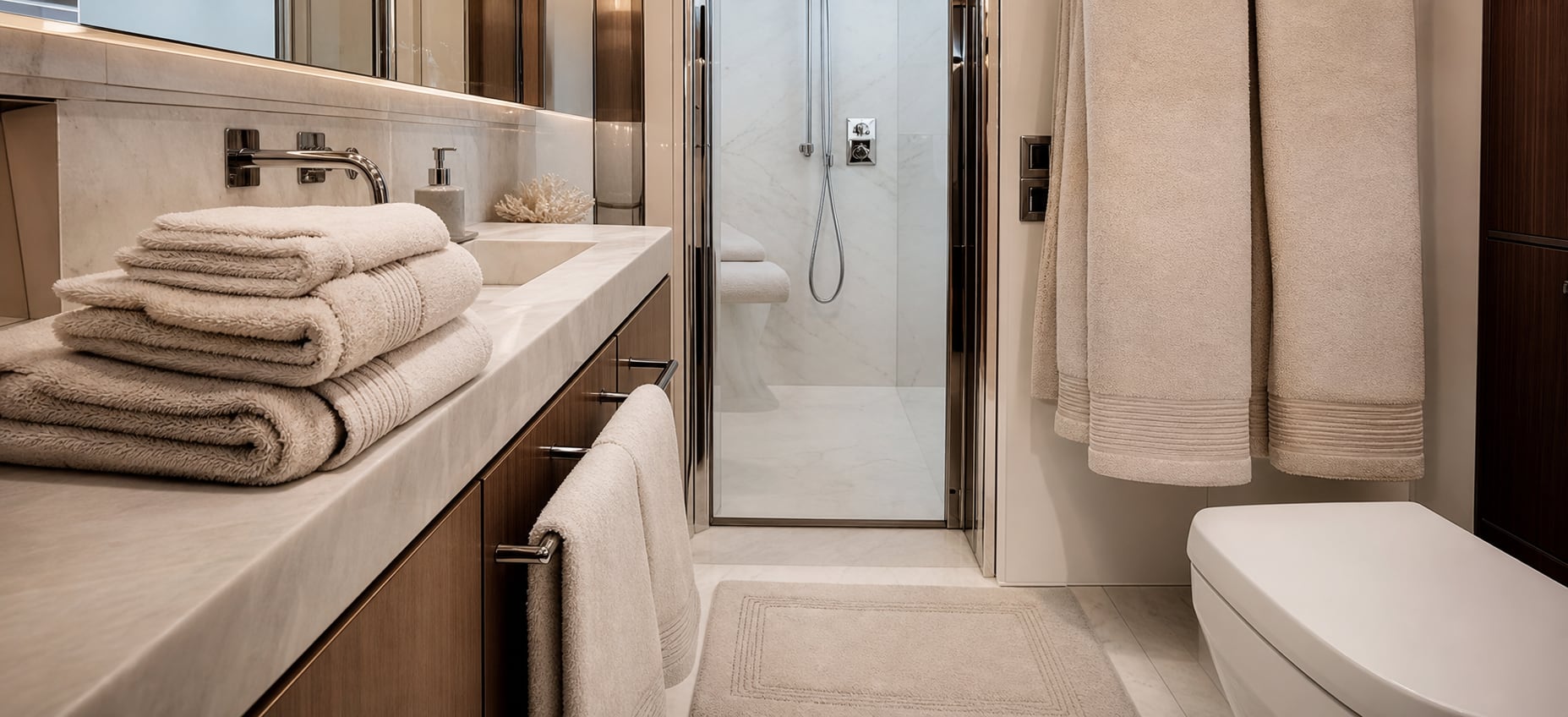

The Studio
For spaces with their own standard.
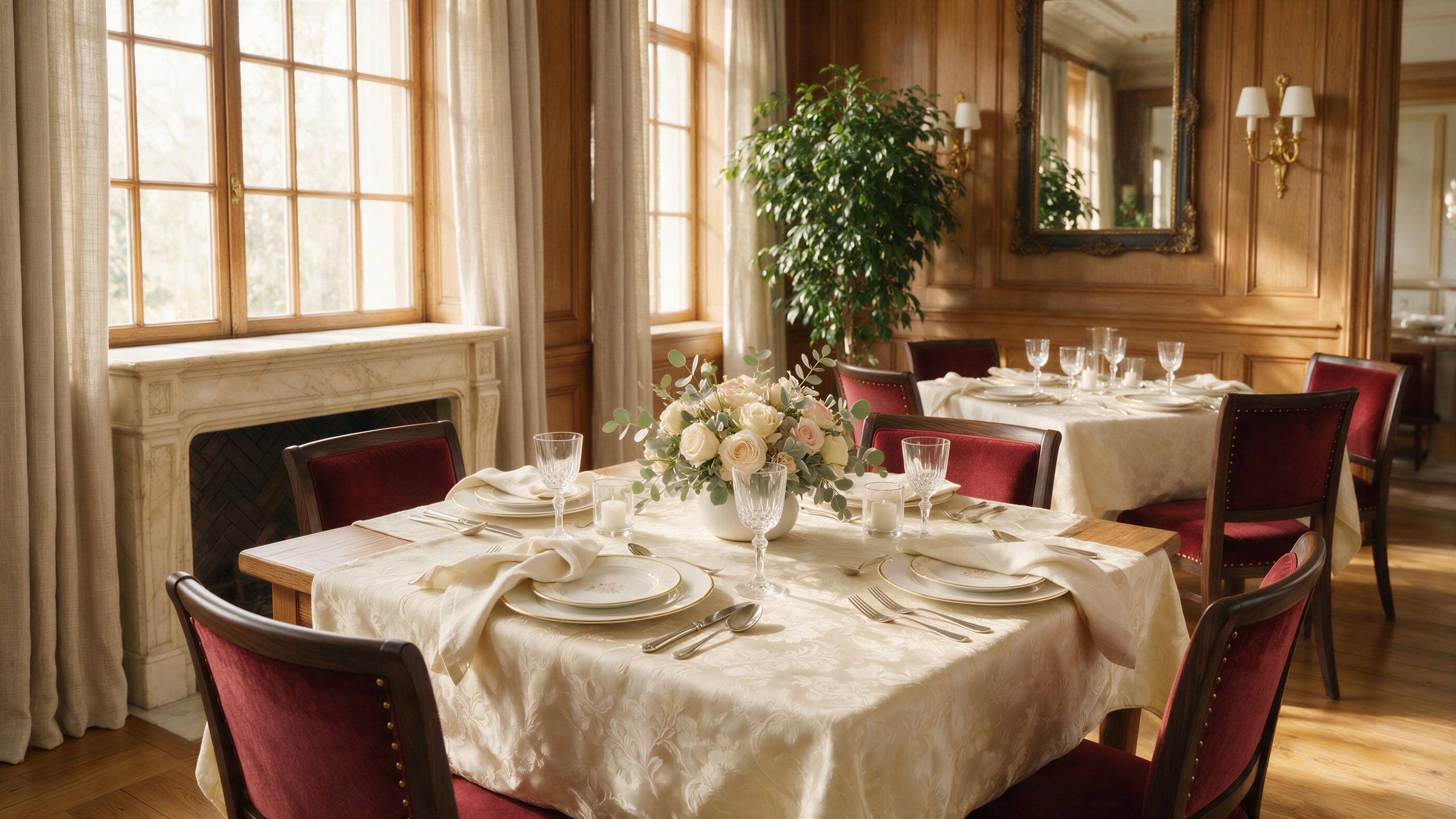
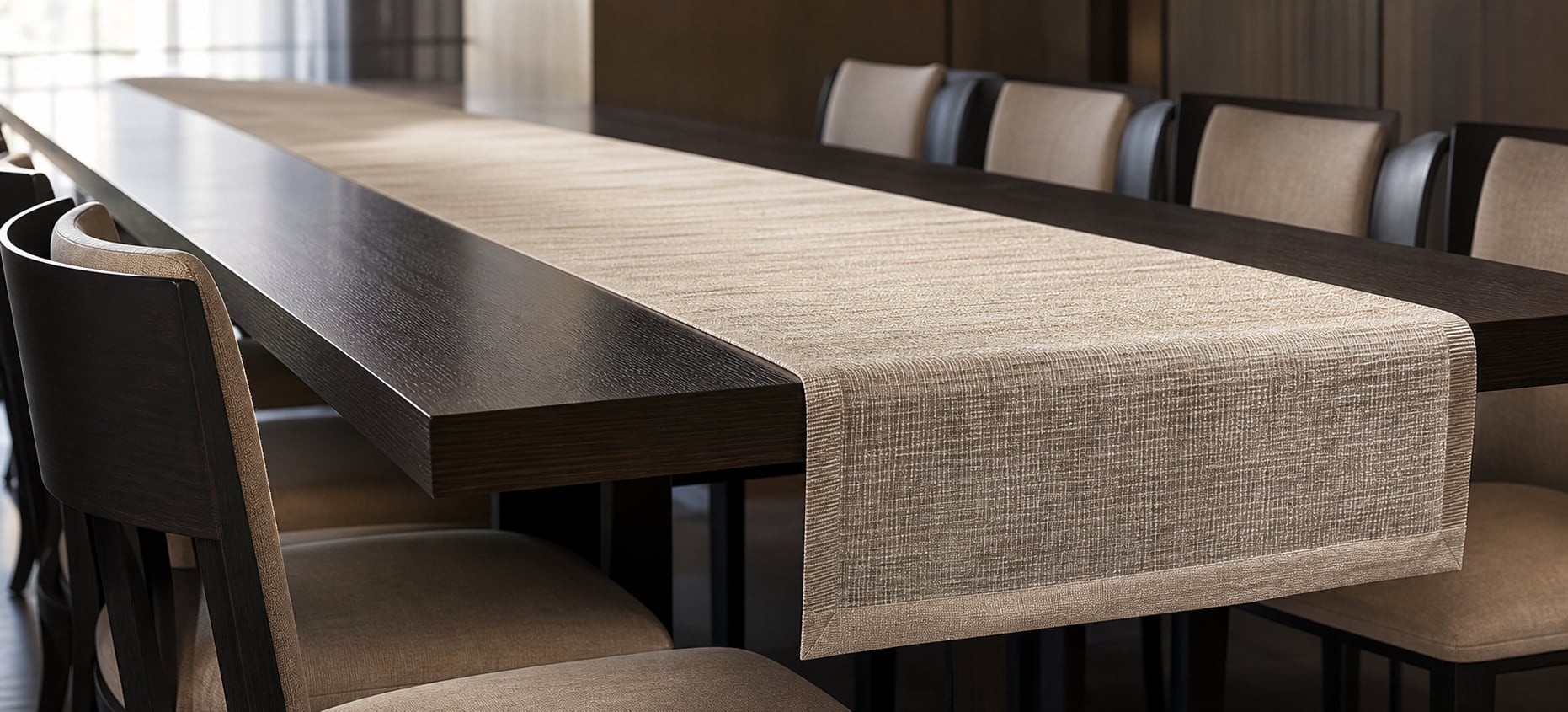
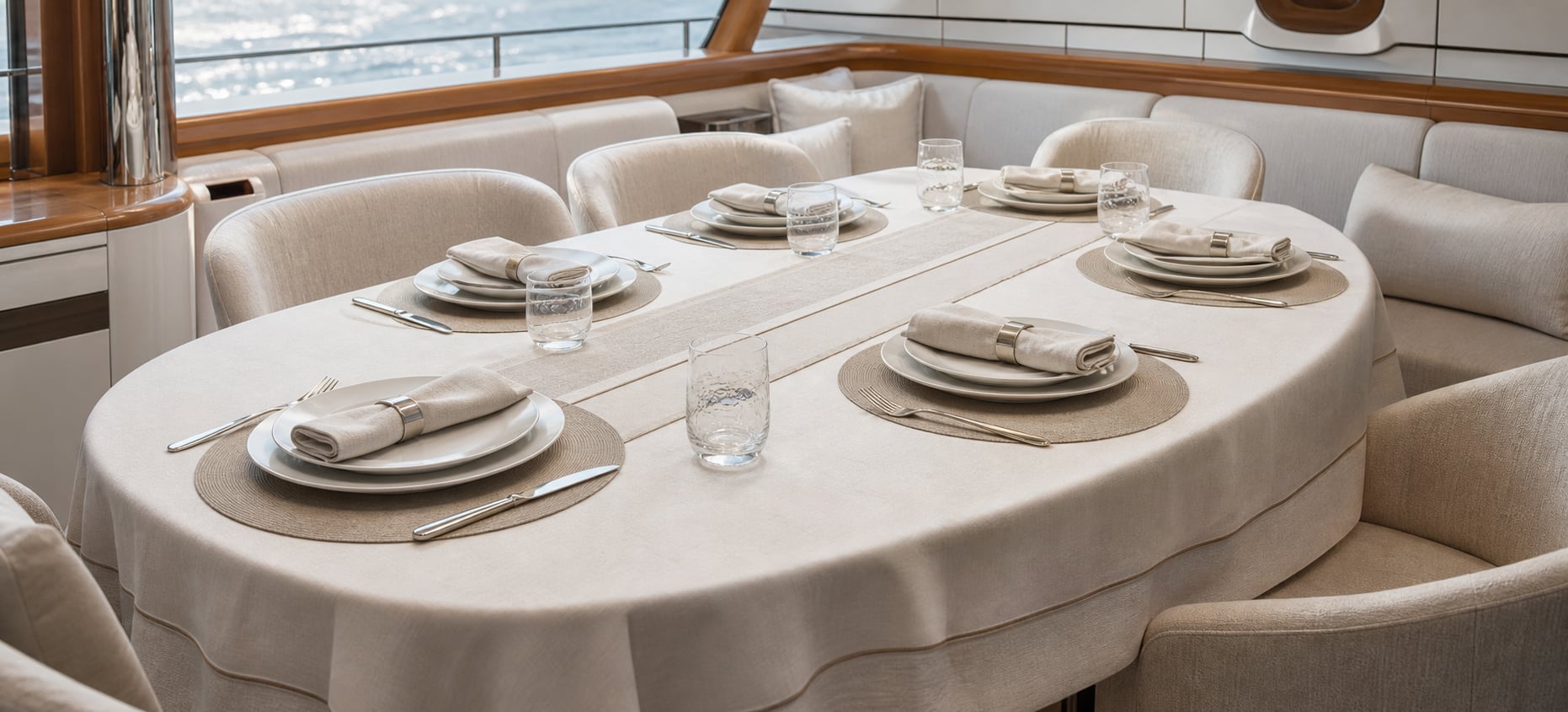
Some hospitality details need to be made specific: the size of a table, the weight of a towel, the embroidery on a robe, the way a set is prepared for every room or cabin.
Studio exists for those details.
- Custom sizing
- Material direction
- Embroidery
- Color direction
- Private label
- Packaging
- Repeat supply
- Presentation
Built around the relationship.
Textiles developed around your standards, recorded clearly, and kept consistent from first sample to repeat order.
Designed to Your Requirements
Dimensions, materials, weights, colours and finishing shaped around the property.
Consistency You Can Return To
Approved specifications are kept clear so repeat orders stay aligned with what was originally developed.
One Clear Relationship
Sampling, approvals, orders and follow-up stay connected through one point of contact.
Your Products, Kept in One Place
The Gencer Client Portal brings specifications, documents, orders and repeat purchasing together.
Access the Client PortalFREQUENTLY ASKED QUESTIONS
Before we begin.
Practical answers about products, specifications, ordering and working with Gencer.
Gencer develops textile programmes across Stay, Dine, Wellness and Life on Board. These can include bed and bath textiles, in-room pieces, table and service textiles, spa and pool products, and yacht interior, bath and deck textiles. A programme may focus on one product or coordinate several areas of a property.
Gencer works with independent hotels, resorts, villas, serviced residences, restaurants, wellness destinations and yacht operations, as well as groups managing several properties. The product direction is shaped around the setting, operating model, care process and level of consistency each property needs.
Yes. Dimensions, materials, weights, colours, finishing and selected branding details can be developed around the requirements of the property. Where an existing specification or reference product is available, Gencer can begin from that rather than creating a completely new direction.
Depending on the product, options can include dimensions, material, weave, weight, colour, embroidery, monogramming, labels, finishing, packaging and presentation. Feasibility is reviewed against the construction, quantity and production requirements, so not every option applies to every product or order size.
Yes. An existing specification, product sheet or physical sample can provide a practical starting point. Gencer reviews the relevant dimensions, material, construction, weight, colour and finishing, then confirms what can be matched, what needs clarification and which tolerances should be agreed before approval.
Custom dimensions can be developed for suitable products when the material, construction, quantity and production method allow. Exact measurements and the intended use should be confirmed early, especially for non-standard beds, tables, cabins or property-specific presentation requirements.
Colour selection or development can be reviewed against a brand reference, physical sample or agreed colour standard. The available result and tolerance depend on the fibre, construction, dyeing or printing method and quantity. A colour sample may be used for approval where appropriate.
Yes, for products and quantities that support the chosen treatment. Artwork, dimensions, placement and thread colours are reviewed before approval. Depending on the product, other identity details such as woven or printed labels may also be considered.
Packaging, labels, grouping and presentation can be adapted where the project scope allows. This may include property-coded labels, individual sleeves, room or cabin sets, carton grouping or other operational instructions. The practical options depend on the product, quantity and handling requirements.
The collections provide established product directions across hospitality settings. Gencer Studio is used when a project needs more specific development, such as unusual dimensions, a distinct material or colour direction, embroidery, private-label details, packaging or presentation. Approved Studio details are recorded in the same clear way for future reference.
The process begins with the property, intended use and operating requirements. Gencer then defines a product direction covering the relevant dimensions, material, construction, weight, colour, finishing, care and customization. Samples or prototypes may be reviewed where appropriate. Once approved, the agreed details become the reference specification for the order.
Useful information includes the property type, product and usage area, dimensions, estimated quantities, laundry process, desired feel or appearance, durability expectations, branding needs, destination, target date and budget direction. Existing specifications or samples are also helpful when continuity with a current product matters.
Yes, where sampling is useful and feasible for the project. The process may involve material swatches, existing product samples, embroidery trials, colour references or a prototype. The appropriate sample route depends on the product and the decisions that need to be confirmed before the order.
Gencer can assess an existing textile or reference sample and define the characteristics that matter, such as dimensions, fibre, construction, weight, colour and finishing. The aim is to agree a practical specification and tolerance rather than claim absolute physical identity across different production runs.
Selection is based on the product’s use, guest experience, laundering conditions, drying and finishing process, durability expectations, storage, presentation and cost direction. These factors are considered together because a heavier or softer option is not automatically the most suitable choice for every property.
Approved specifications can record the product reference, property, dimensions, material, construction, weight, colour, design, finishing, care instructions, customization, packaging and sample approval details. Keeping these elements together creates a clear reference for the current order and future replenishment.
Repeat requests return to the approved specification and its agreed tolerances. Gencer checks the current availability of the relevant material and construction before confirmation and identifies any change that needs approval. Natural textile and production variation can occur, but it is managed against the documented reference rather than an unrecorded description.
Yes. A client account can include several properties while keeping each property’s products, dimensions, customization, delivery details and approvals distinct. This allows a group to manage a wider programme without forcing every location into the same specification.
Yes. A specification can be reviewed when requirements, materials, dimensions, branding or operating conditions change. The revised details should be sampled or approved where necessary and recorded as the new reference, so later orders do not rely on informal changes or outdated information.
The concern should be reported promptly with the product reference, affected quantity, photographs and delivery details. Gencer reviews the product against the approved specification, reference sample and agreed tolerances, then confirms the appropriate next step under the agreed commercial terms.
Minimum quantities vary by product, material, construction, customization and production method. A standard product may have a different threshold from a custom colour, dimension or branded treatment. Gencer confirms the applicable quantity after reviewing the requested specification rather than applying one universal minimum to every project.
Yes, where the product and quantity are feasible. Independent and design-led properties can begin with a focused set of requirements rather than a large multi-site programme. Gencer reviews the scope carefully and explains which standard or customized directions are practical at the required quantity.
Yes. Products from Stay, Dine, Wellness and Life on Board can be coordinated within one wider requirement. Specifications, quantities, approvals and timing are still managed by product, so Gencer confirms how the combined order will be structured before it proceeds.
Yes. One client account can contain multiple properties with separate contacts, delivery details, specifications, orders and documents. This keeps the wider relationship connected while preserving the decisions and approved products that belong to each location.
The usual path is inquiry, requirements review, product direction and quotation, followed by sampling or approval where appropriate. Once the specification, quantity, commercial terms and delivery plan are confirmed, the first order can proceed. The exact sequence may be shorter for established products and more detailed for custom development.
A repeat request starts from the approved product specification. The client confirms the property, products and new quantities, and Gencer checks current material availability, timing, pricing and delivery requirements. The request becomes an order only after those current details are confirmed.
Yes. Replenishment can cover one approved product or a selected group rather than recreating the complete earlier order. The requested quantities are reviewed against the product’s current minimum, availability, timing and delivery requirements before confirmation.
Usually, yes. An approved specification provides the reference for a repeat request, so sampling does not automatically restart. A new sample or approval may be recommended if a material, construction, colour, finishing detail or other relevant condition has changed since the previous order.
Quotations are prepared for the specific products, specifications, quantities, customization, destination and delivery requirements under review. They set out the applicable commercial terms and validity for that request. Pricing is confirmed directly with the client rather than published as a universal unit-price list.
Yes. Opening, renovation and phased requirements can be organised by property, area, room type or delivery stage. Target dates, estimated quantities and approval milestones should be shared early so Gencer can assess the sequence and confirm a realistic plan for each phase.
Yes. Gencer works with hospitality properties in different markets and reviews each project according to its destination, scope and delivery requirements. Documentation, timing and commercial terms are confirmed for the specific route rather than treated as identical for every country.
Timing depends on the approved specification, quantity, customization, material availability, production requirements, destination and delivery method. Approval timing also matters. Gencer confirms the expected schedule for the actual order and identifies any decisions needed to keep that plan current.
Multiple destinations can be planned where the order and commercial arrangement support them. Gencer needs the delivery address, recipient, quantities for each destination, required dates and documentation needs before confirming how the order should be divided and coordinated.
Key details include the full destination and receiving address, contact person, access or appointment requirements, target date, property allocation, preferred delivery arrangement and any required documents. For split deliveries, the quantities and product references for each destination should also be clear.
Yes, when target dates, site readiness and phased requirements are shared early enough to assess. Gencer reviews approvals, production and delivery together, then confirms a realistic sequence. Any fixed opening milestone should include suitable time for decisions, sampling where needed and on-site receiving.
The Gencer Client Portal is the secure account environment used to keep the ongoing relationship organized. It brings property information, product specifications, samples, orders, actions, replenishment, documents and support into one place instead of separating them across disconnected records.
Clients can view their properties, approved and developing product specifications, customization and sample details, active and completed orders, delivery information, actions requiring review, replenishment options, account documents and support requests. Access reflects the information connected to the client account.
Yes. Portal records are connected to individual properties, allowing specifications, orders, delivery details, documents and replenishment requests to remain in the correct property context. This is especially useful when one client manages locations with different products or operating standards.
Approved products are already identified by property and specification. A client can select the relevant product, review details such as the previous order and current minimum, and submit a replenishment request with new quantities. Gencer then confirms current pricing, timing and delivery before it becomes an order.
Yes. The portal can hold multiple properties under one client account while keeping each location’s contacts, specifications, orders, documents and delivery information separate. The client can move between property contexts without losing the wider account relationship.
Journal
Notes on hospitality, textiles, care, and the details behind enduring spaces.

How Often Should Spas Change and Wash Massage Blankets?
Change and launder a massage blanket after every client whenever it touches skin, hair, product, dampness or visible soil. If it stays completely outside a fresh per-client barrier, a spa may be able to use a documented routine schedule—but only when local requirements and the treatment protocol allow it.
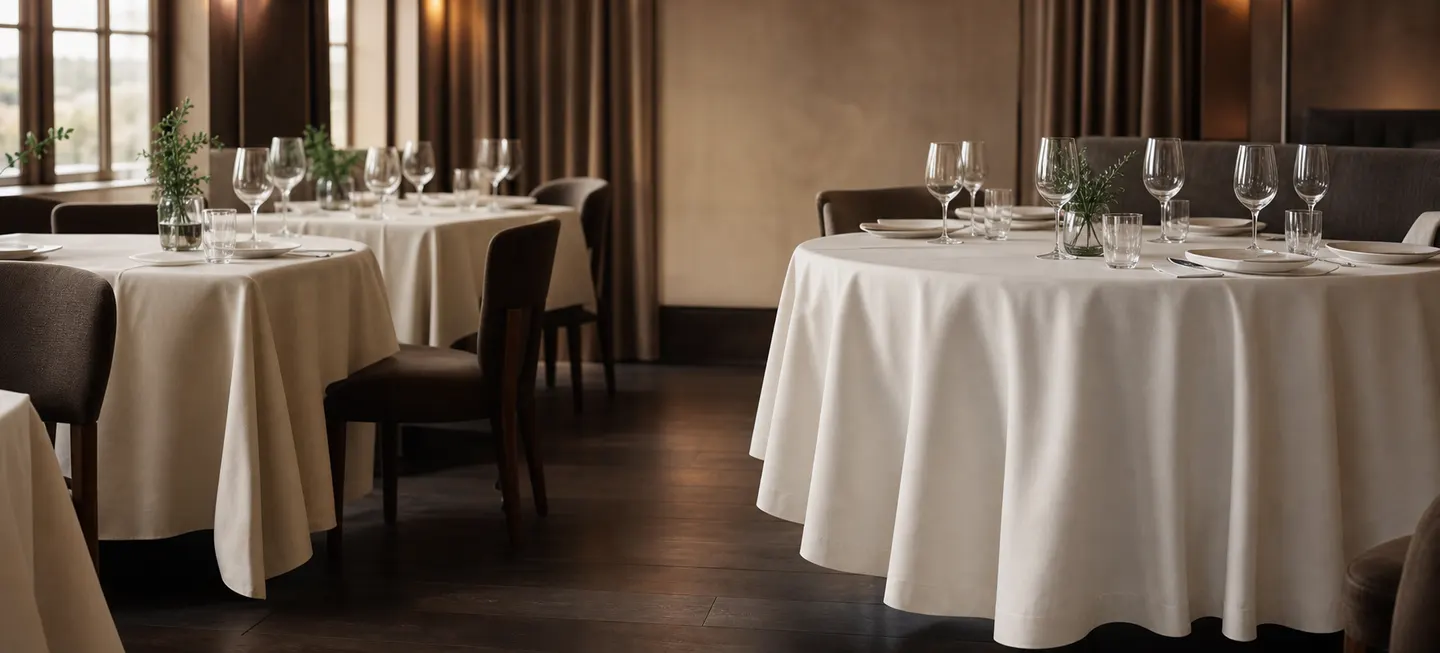
Should a Restaurant Rent or Buy Its Table Linen?
Rental can simplify supply and processing; ownership can protect a distinctive specification. Compare the whole operating system rather than two headline prices.

Why Do Hotel Pillows Become Lumpy After Washing?
A lumpy pillow may still be damp inside, or its filling may no longer distribute evenly. Diagnose the insert before changing the wash or replacing stock.

Why Do Yacht Towels Feel Stiff After Saltwater Use?
Salt remains when seawater evaporates, but a harsh towel can also reveal static air drying, detergent or hard-water deposits, sunscreen soil, or overdrying. A fresh-water control separates the causes.