

What Makes a Towel Suitable for Spa and Wellness Use?
A spa towel has to feel soft in the guest’s hand while performing under repeated moisture, laundering, folding, and storage. The right choice is tactile and operational at the same time.
Published by Gencer Textiles
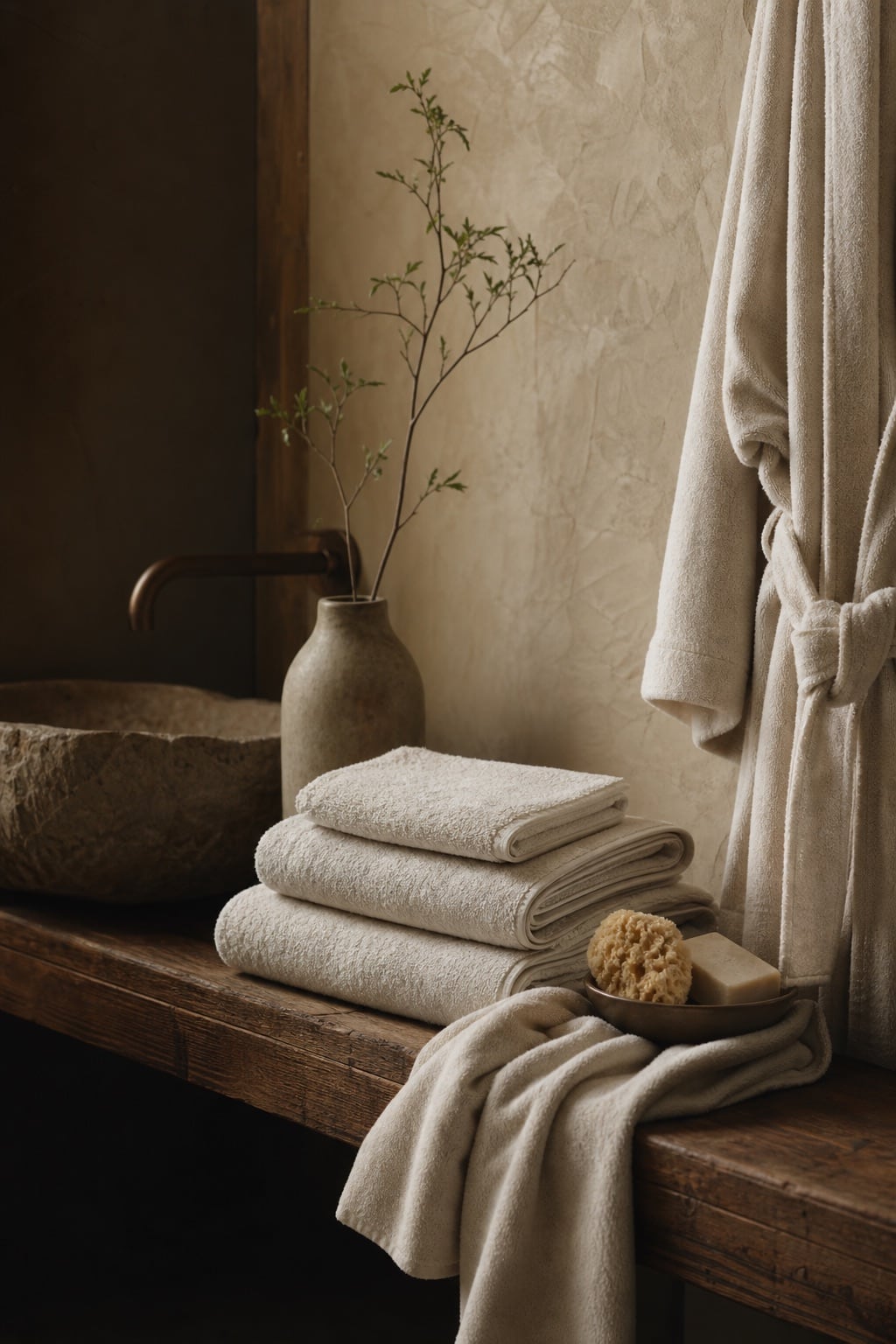
A towel is suitable for spa and wellness use when its touch, absorbency, drying behaviour, dimensions, construction, and laundering response match the job it performs. Weight alone is not a reliable decision: the best direction balances guest contact with the operating rhythm behind it.
Start with the exact use
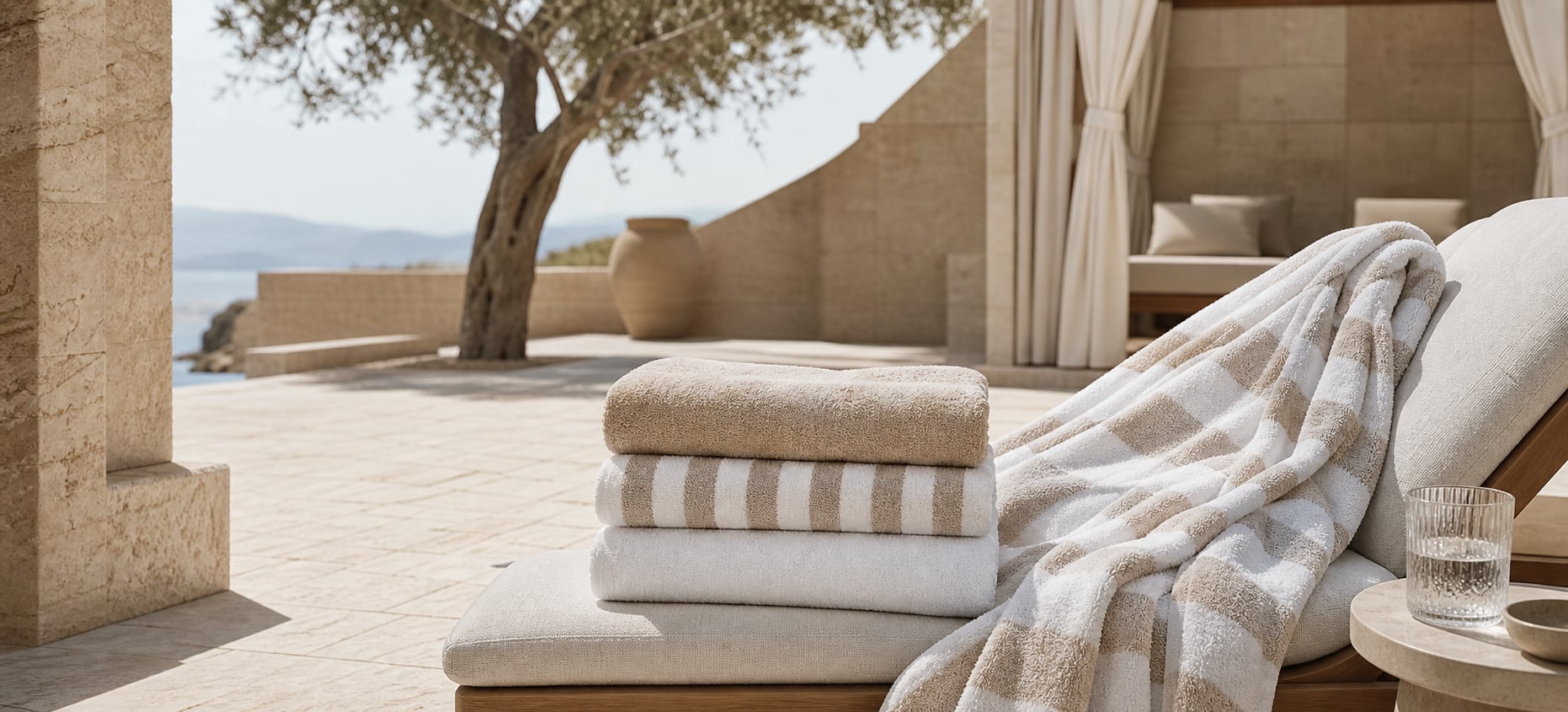
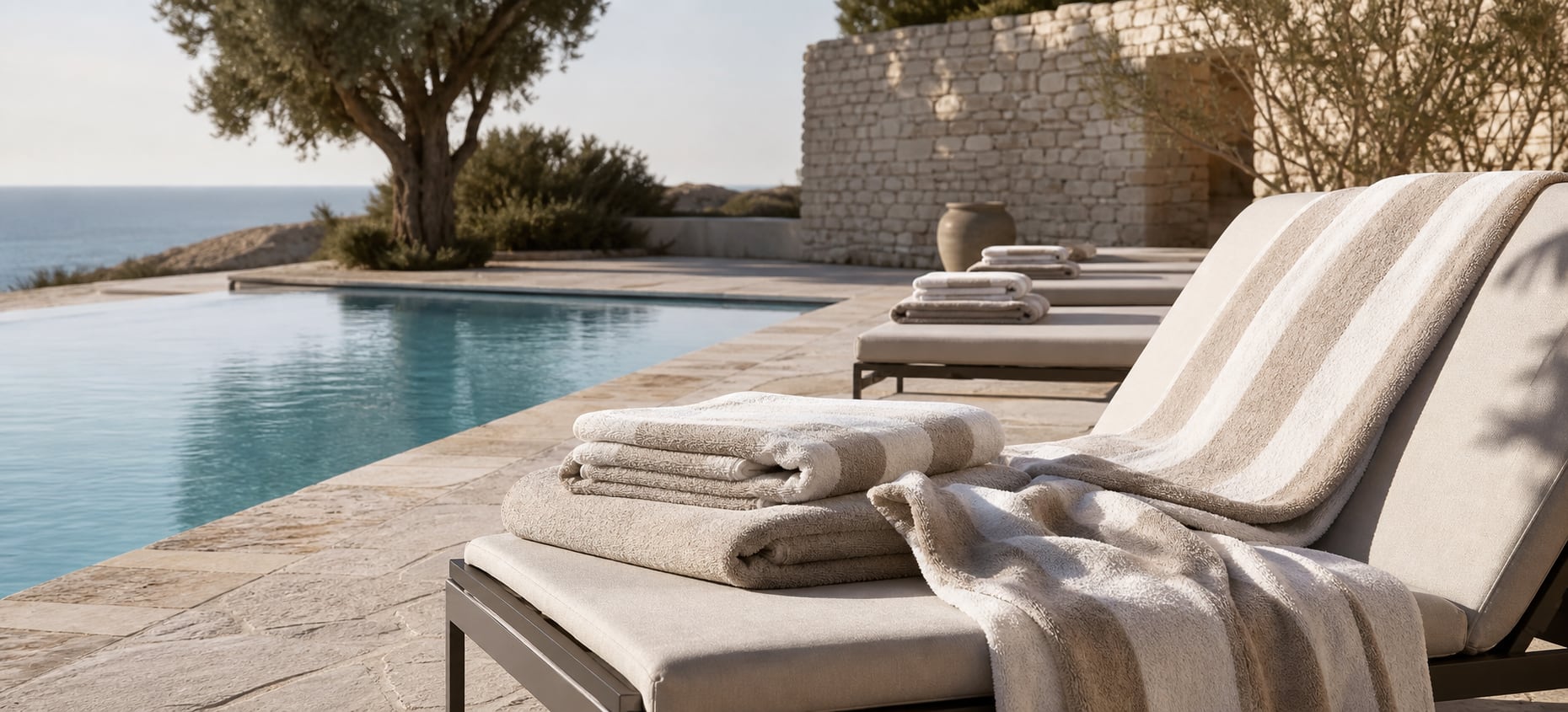
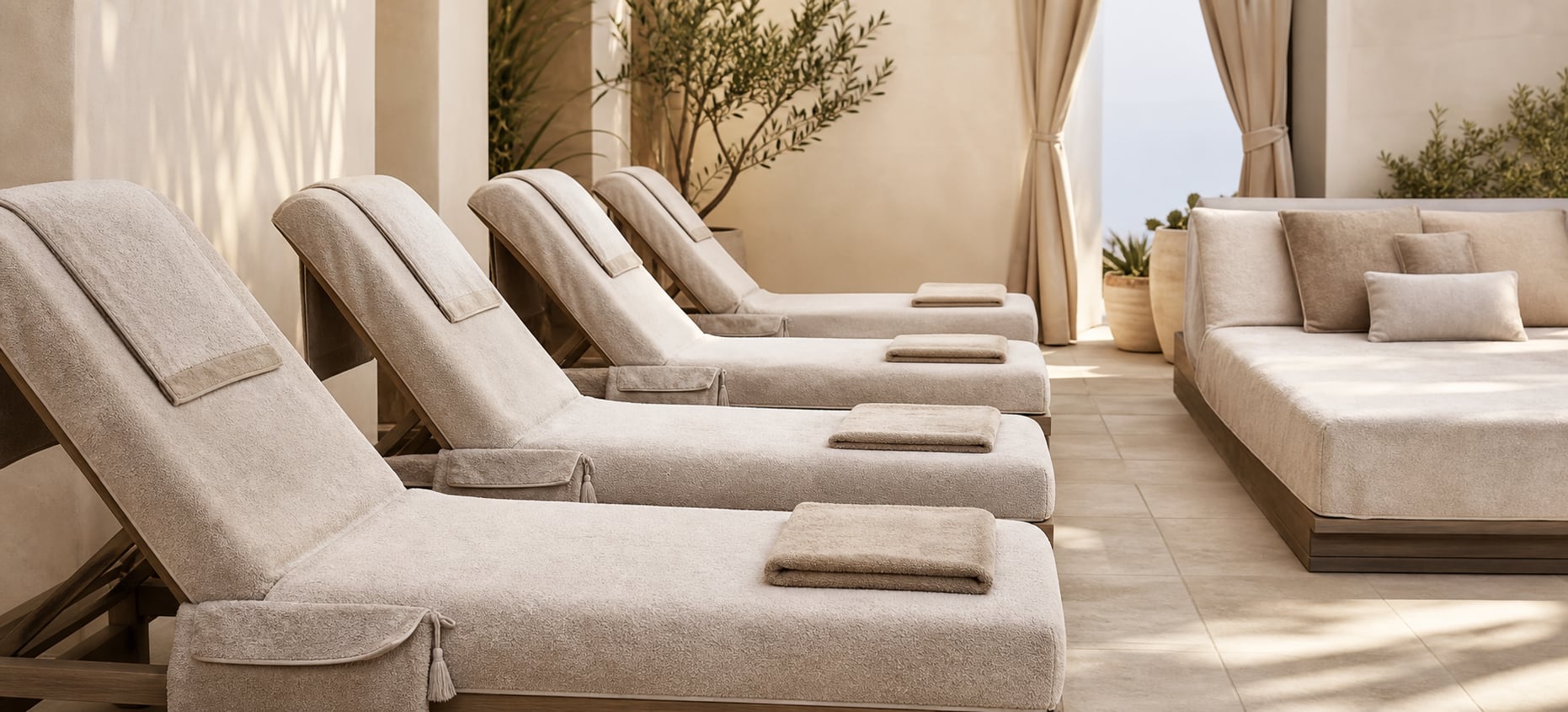
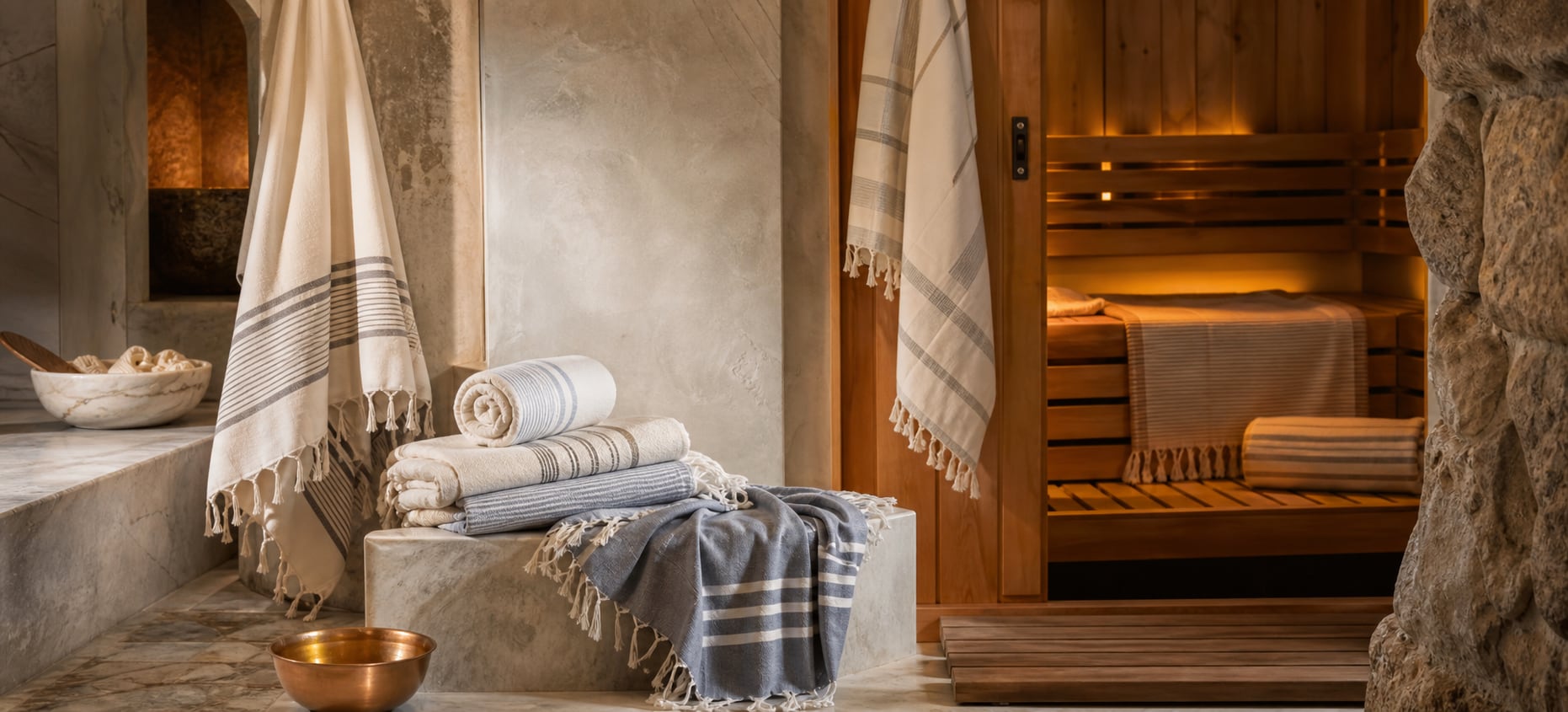
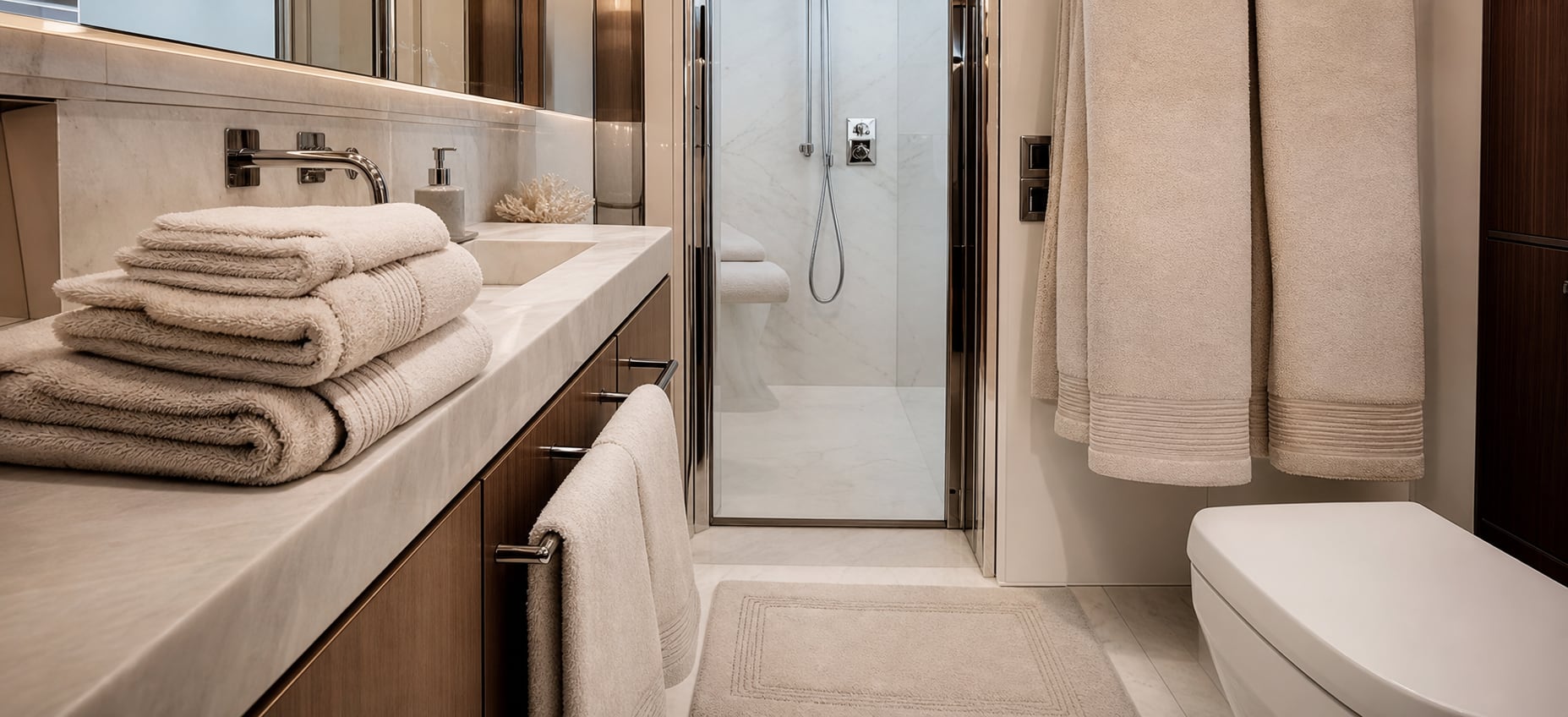
Treatment rooms, changing areas, pools, hammams, relaxation lounges, and guest bathrooms do not place the same demands on a towel. Define where it will be used, how wet it becomes, how often it changes, how it is carried, and where it dries and waits between cycles.
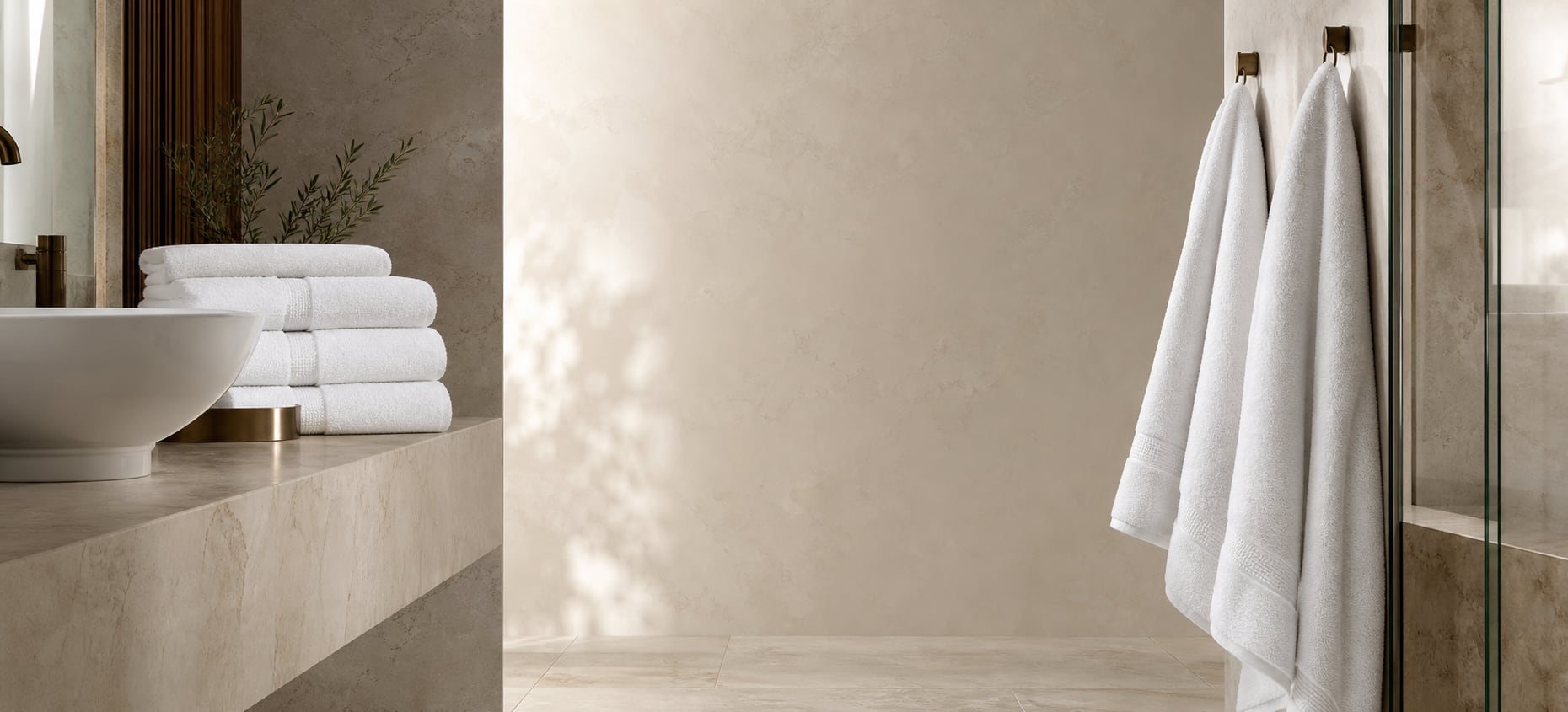
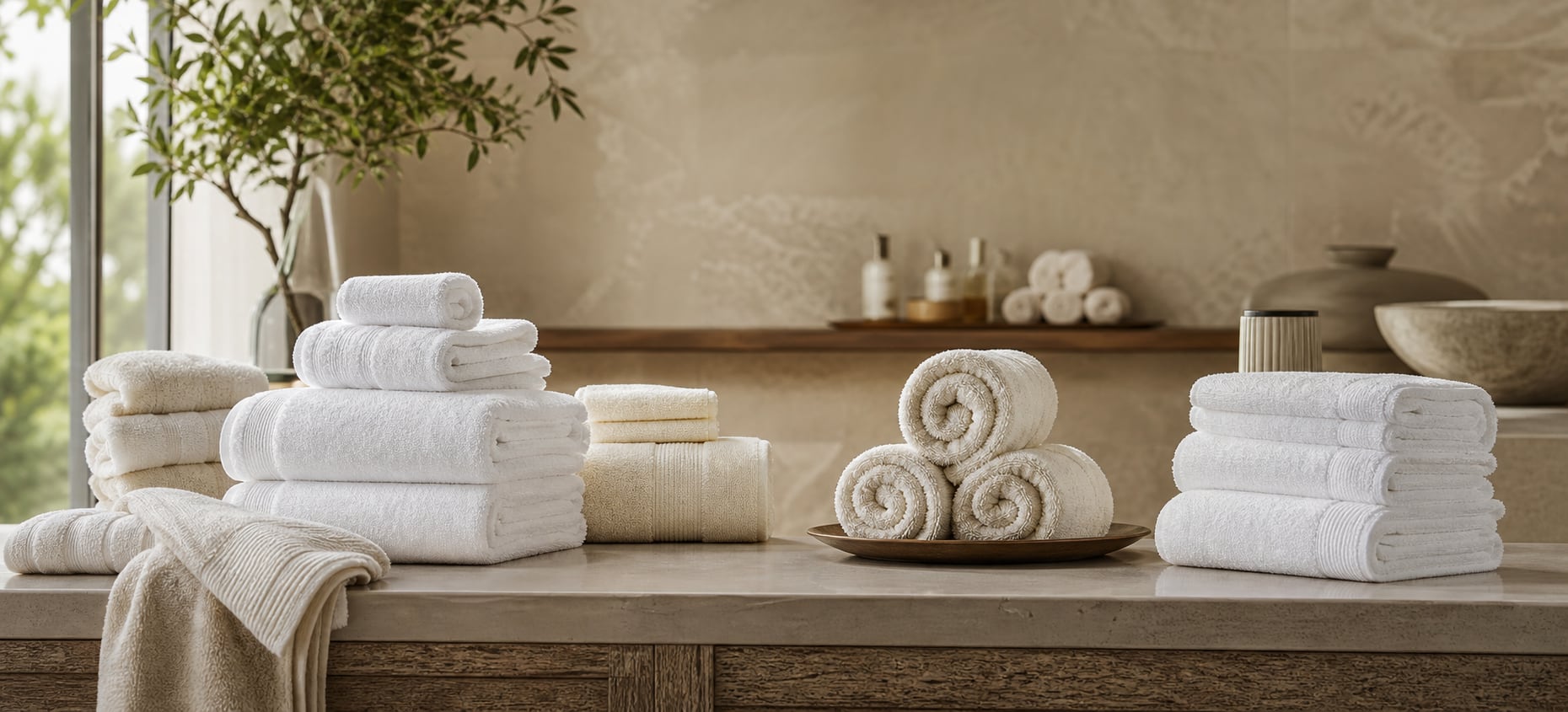
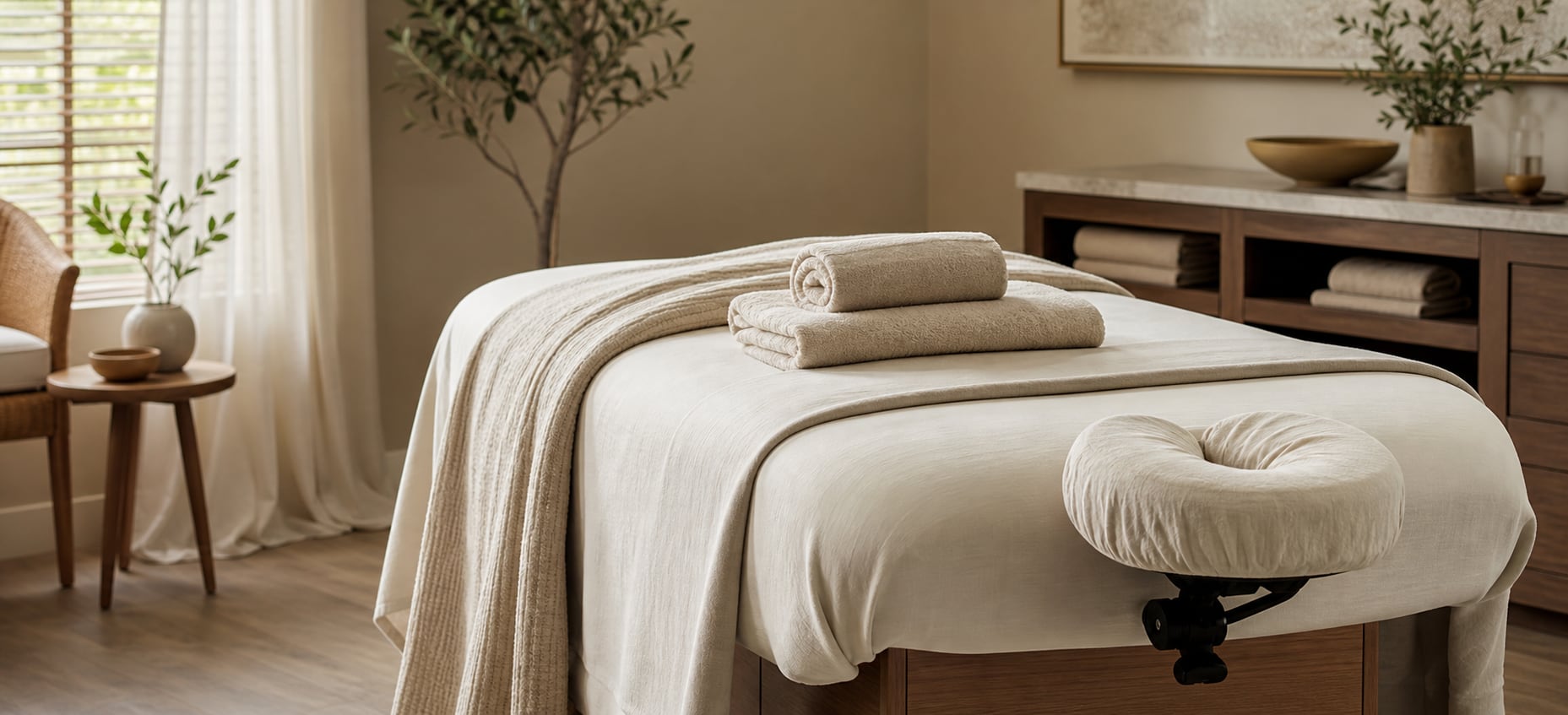
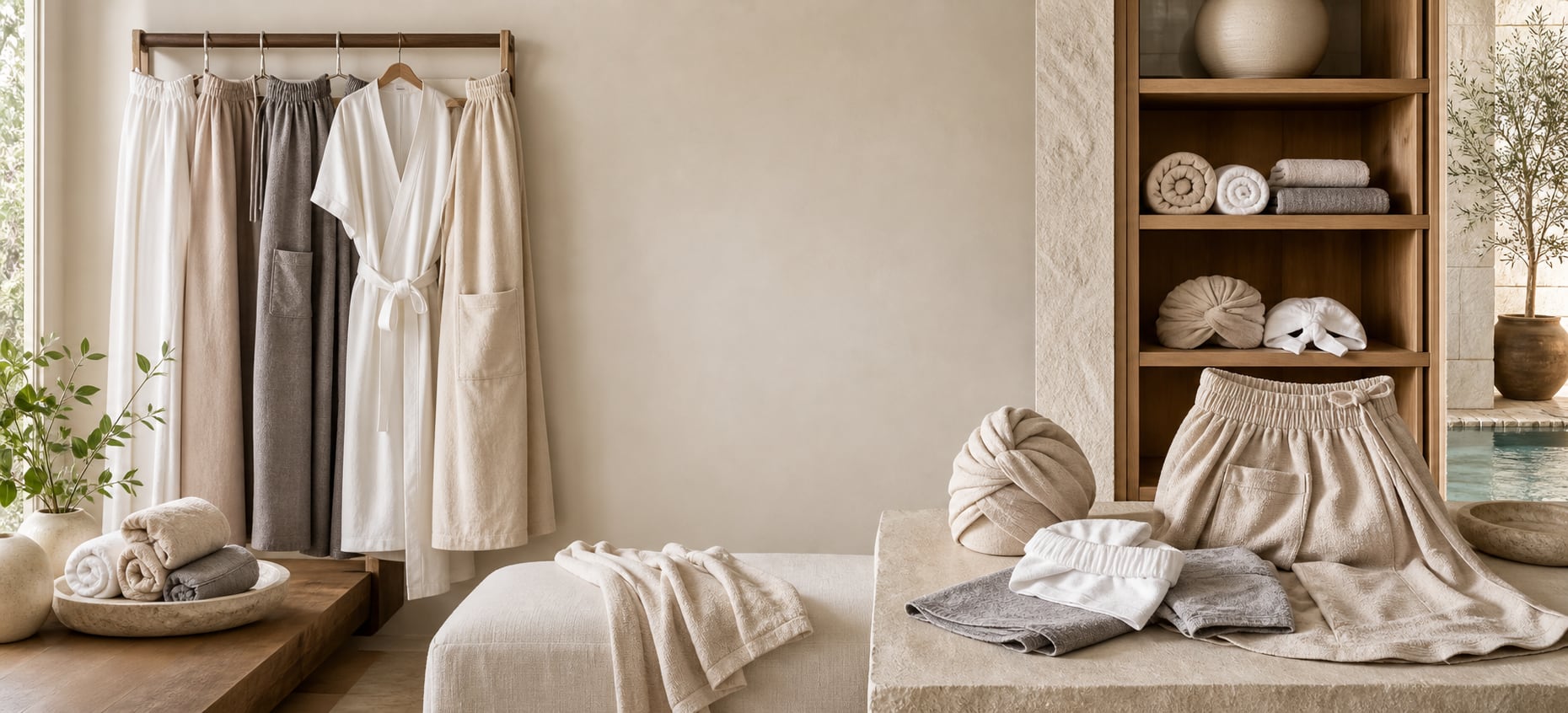
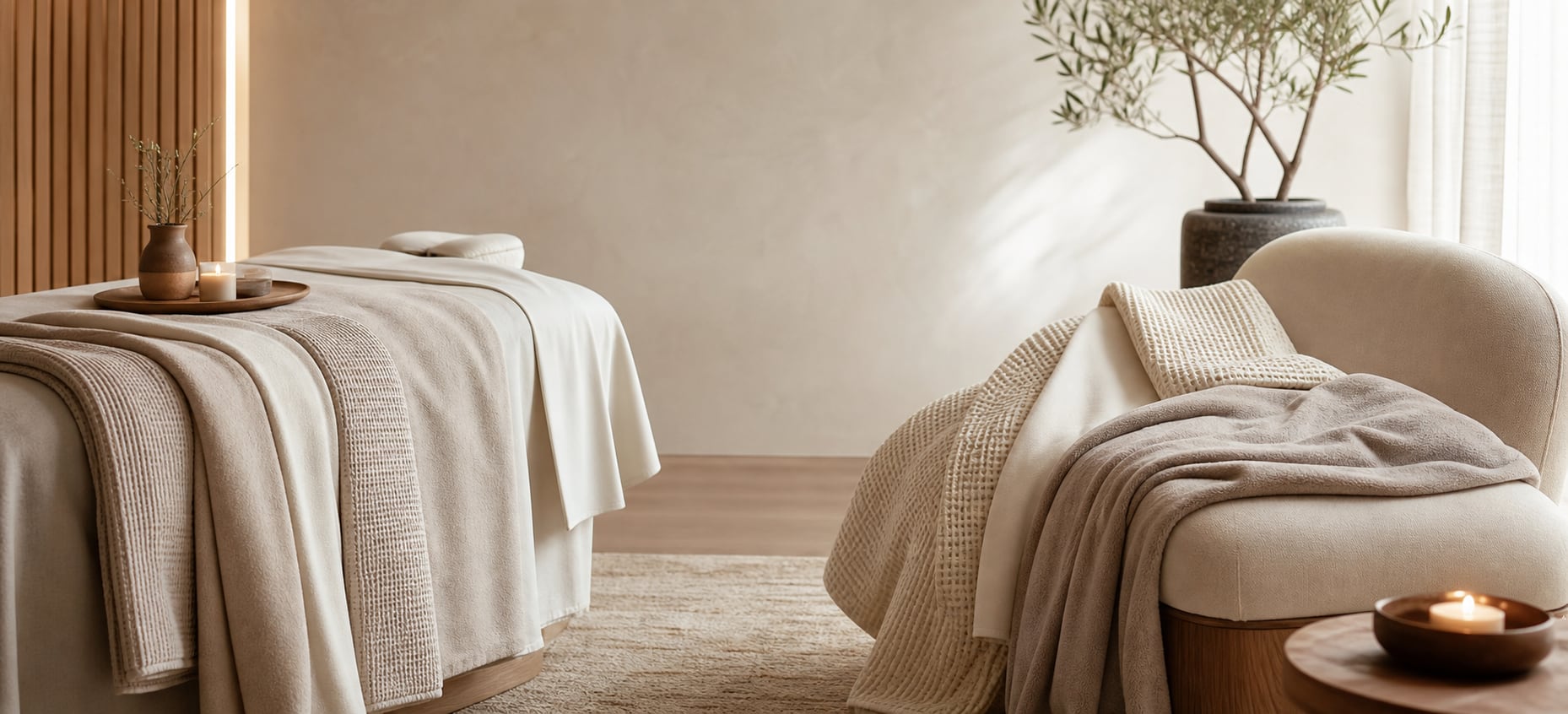
A coordinated programme can include Spa Towels for direct guest use, more specific Treatment Linen for beds and face cradles, and robes for transitions between spaces. Treat these as related uses rather than forcing one construction to cover every task.
Balance absorbency with drying time
A heavier towel can feel generous, but it also carries more moisture, occupies more folded space, and may require more drying time. A lighter construction can be appropriate when efficient handling and rapid rotation matter. Compare weight with pile, yarn, density, size, and the actual laundry process.
Evaluate softness after professional care
Initial softness can be influenced by finishing and does not show how the towel will settle after repeated care. Test samples through the intended wash and drying process, then assess touch, absorbency, dimensional stability, lint, edges, colour, and the ease with which the towel folds and stacks.
Match dimensions and details to the treatment journey
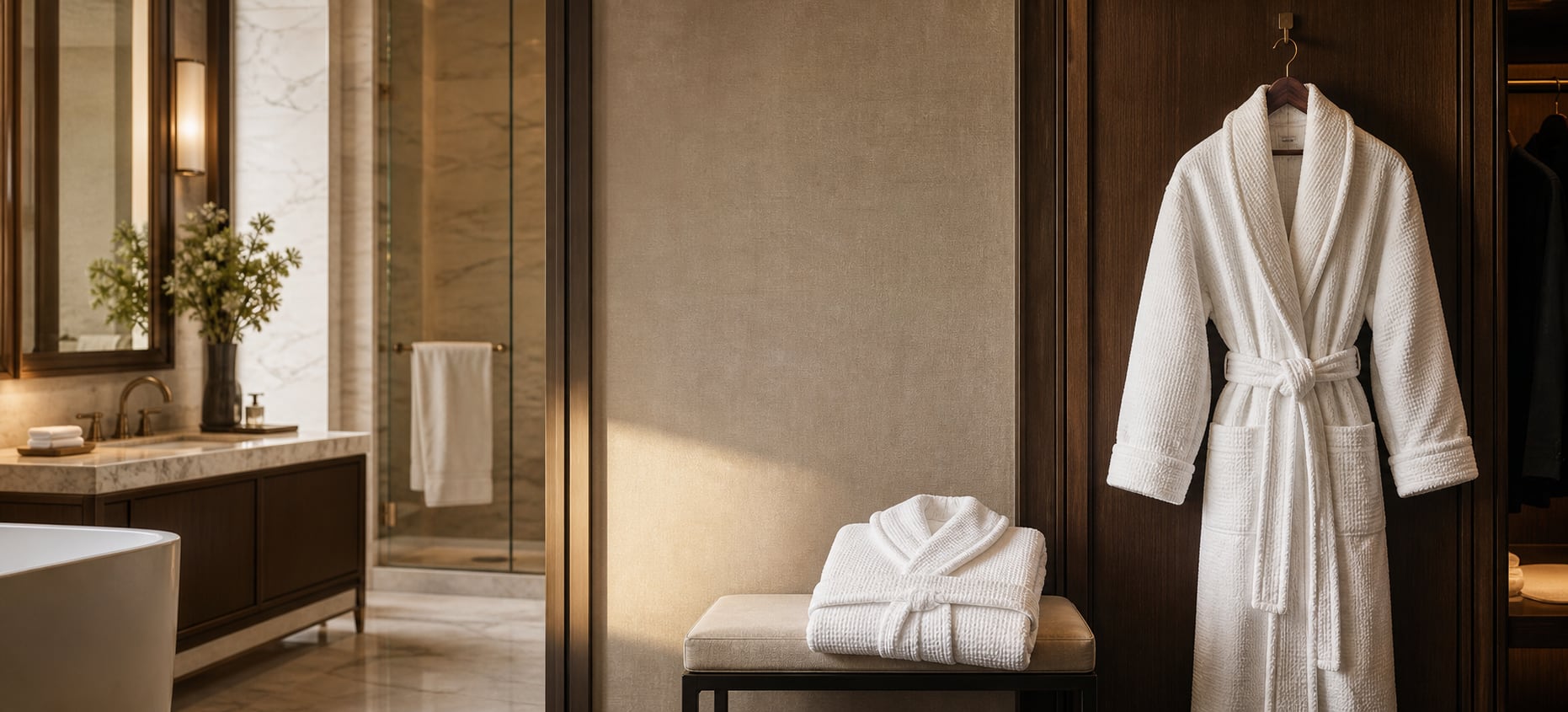
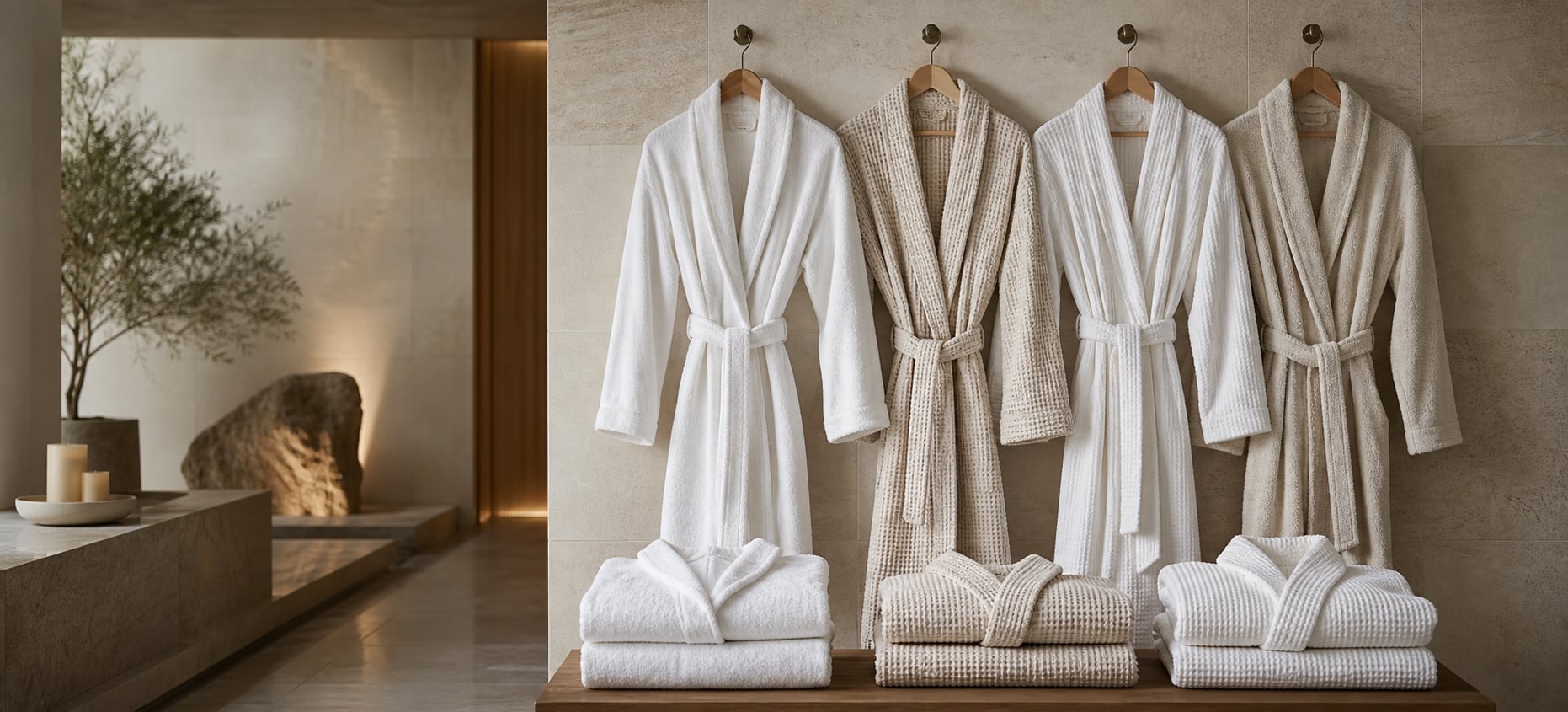
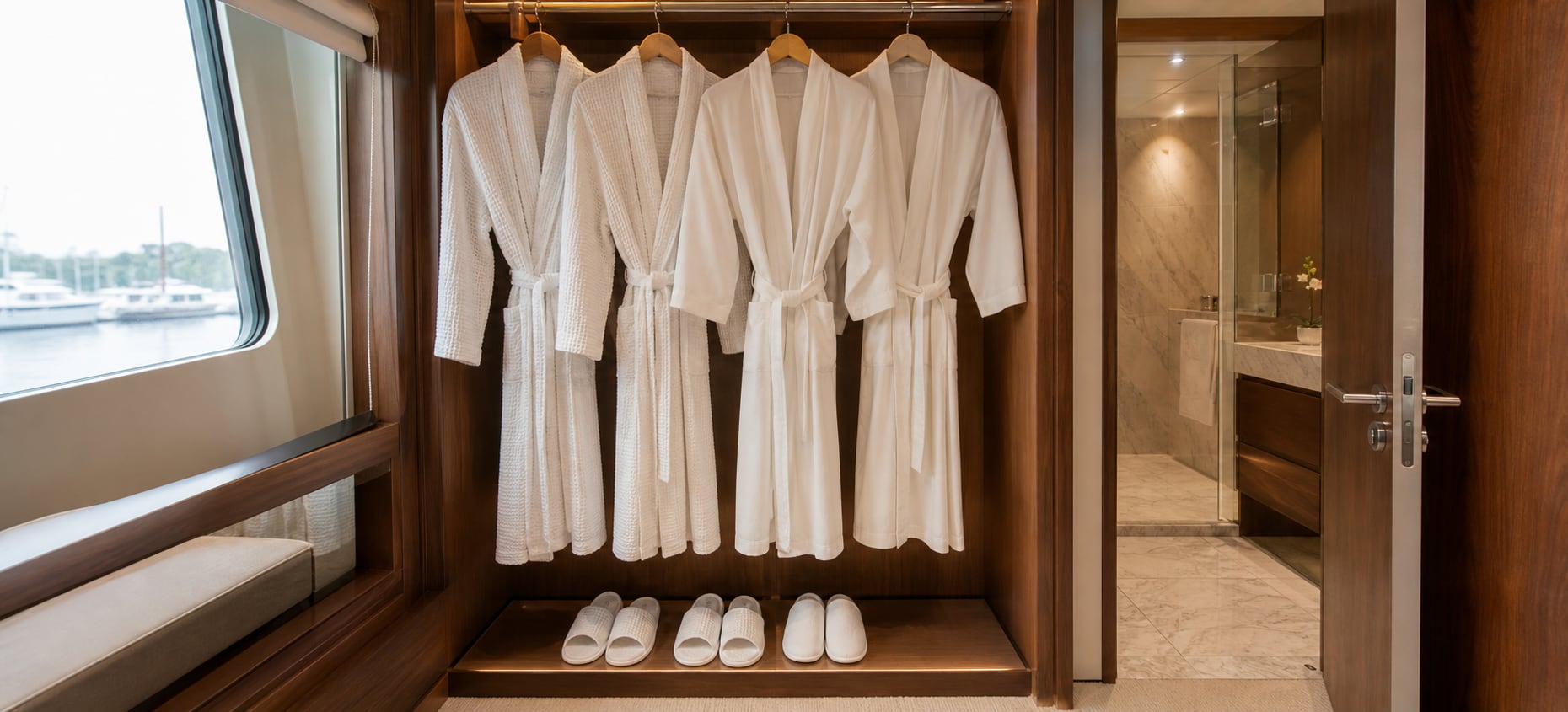
Confirm sizes against treatment beds, guest wrapping, lockers, shelves, trolleys, and pool loungers. For Bathrobes, consider fit, length, collar, belt position, folded volume, and the point in the guest journey where the robe is used.
Embroidery, woven borders, labels, and colour coding can support identity or help teams separate uses, but their placement should not create hard contact points or complicate laundering. Test decorated samples as carefully as undecorated ones.
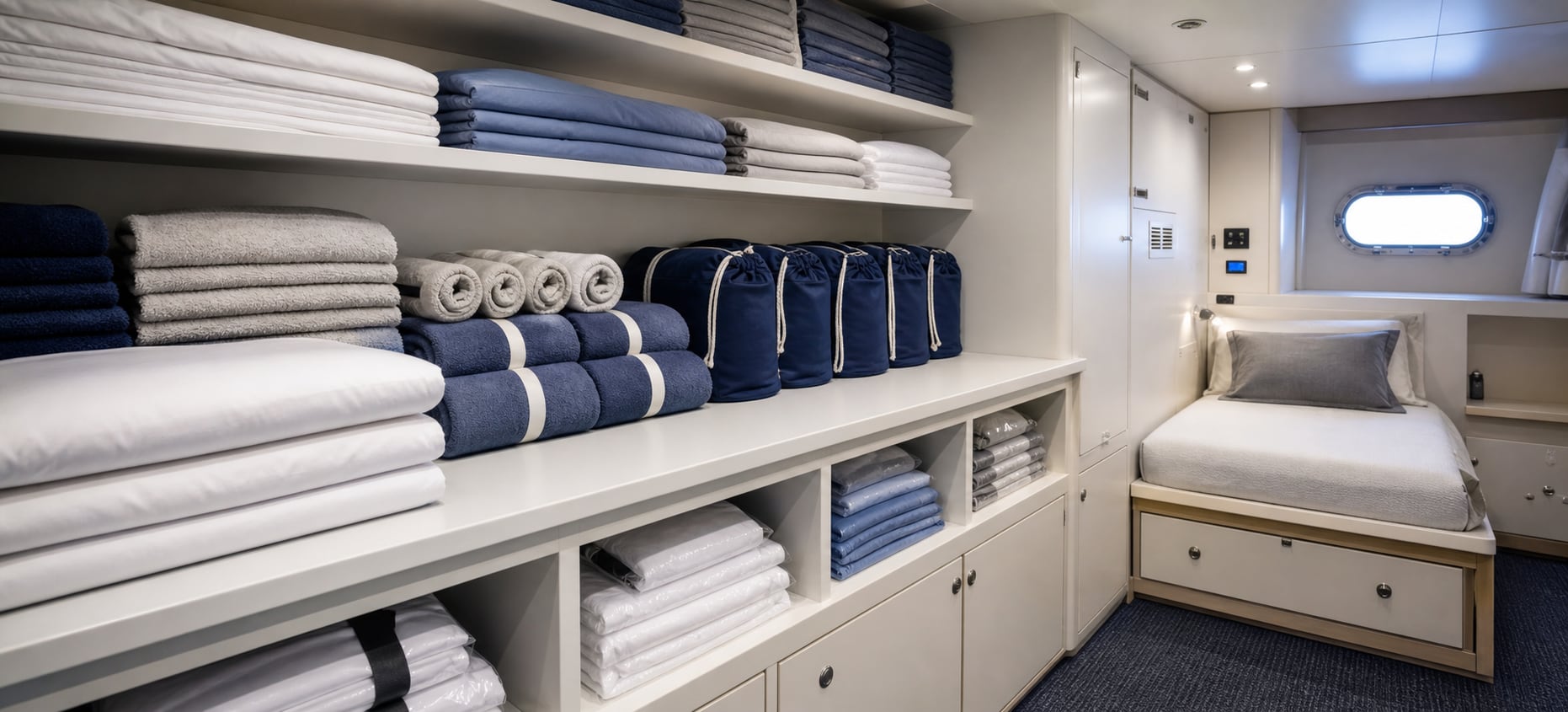
- Test how the towel folds and stacks in the actual storage area.
- Confirm edge construction and stitching under repeated wash cycles.
- Choose embroidery placement that does not affect guest comfort.
- Separate pool, treatment, robe, and bathroom requirements where needed.
Plan replacement and continuity
Record the approved construction, size, colour, edge, decoration, and care assumptions. Review wear by use area and confirm current material availability before repeat orders. Gencer Studio can review custom sizing or identity details where they add practical value.
A practical decision summary
Choose wellness towels by matching each use with the right touch, absorbency, drying behaviour, dimensions, care response, and storage footprint. Explore the wider Wellness collection when coordinating towels, treatment linen, robes, pool textiles, and hammam requirements.
Product catalogue
Request the Wellness catalogue
Share your business email and, if useful, your company or property name. We will carry these details into the secure catalogue-request form with the relevant category already selected.
Journal
Continue reading
Choosing Textiles for Life on Board
What to consider when selecting cabin, deck, bathroom, and beach textiles for marine hospitality environments.
Read Choosing Textiles for Life on BoardHow to Choose Bed Linen for a Boutique Hotel
A practical guide to fibre, weave, weight, durability, and guest comfort when specifying hotel bed linen.
Read How to Choose Bed Linen for a Boutique Hotel