









How to Choose Pillows for Hotel Guest Rooms
Choose the sleep experience first, then the construction that can deliver it consistently. The useful hotel test is not how impressive a new pillow looks, but how well the dressed pillow supports different guests and recovers by morning.
Published by Gencer Textiles
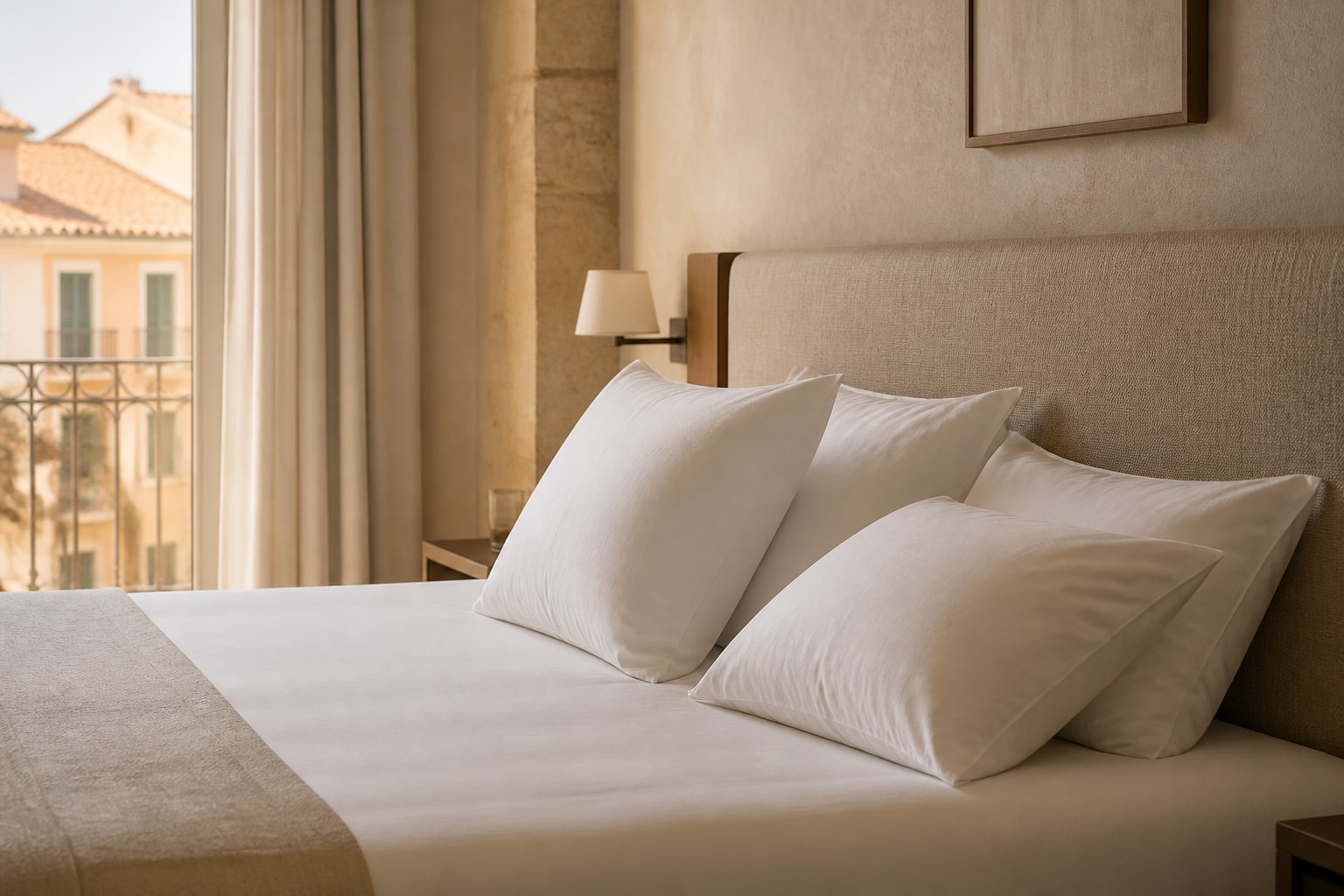
The best hotel pillow is not a particular filling or firmness. It is a pillow—or a small, deliberate combination of pillows—that gives a wide range of guests a credible way to get comfortable, still looks composed when the room is released, and can be supplied again without changing the sleep experience.
That makes pillow buying less like choosing a soft furnishing and more like resolving a series of connected decisions. Support is felt only when the head is on the pillow. Loft changes with pressure. A protector and pillowcase alter the hand. The mattress affects how much height a sleeper needs. By the time the guest lies down, the filling named on the quotation is only one part of what they feel.
Choose the sleep experience before the filling
Begin with the character the bed should have. Some hotels want a soft, enveloping surface; others need a cleaner, more supportive feel. A resort used mainly for short leisure stays may make a different choice from a business hotel where guests arrive late and expect the bed to feel immediately familiar. Suites may justify more choice, while a compact property may value one dependable standard and a clearly available alternative.
Describe that experience in terms a sample can prove: how far the head settles, whether the pillow supports without feeling rigid, how readily it can be reshaped, whether it holds heat, and how the surface feels through the finished bedding. “Luxury”, “premium” and even “medium” do not settle these questions. They are labels; the guest experiences the object.
Filling follows from this brief. Feather and down blends, microfibre, hollowfibre, foam and hybrid constructions can each create several different results depending on fill quantity, chamber design, casing and dimensions. Selecting by material first can reject a good solution—or approve a poor one—for the wrong reason.
One room can serve more than one sleeper
Pillow preference varies too much for one universal answer. Body proportions, sleeping position, mattress softness and personal habit all influence what feels supportive. Research into pillow height likewise finds no single evidence-based height that suits everyone. A hotel cannot tailor every bed to an unknown arrival, but it can avoid pretending that all guests want the same thing.
The most useful response is often modest: give the bed a balanced default, then make a genuinely different option easy to obtain. That may mean two sleeping pillows with distinct compressed support, or one room standard backed by an alternative at reception. Two pillows labelled differently but behaving almost identically do not create choice; a large pillow menu that staff cannot explain or replenish creates theatre rather than comfort.
The right breadth depends on the property. A limited-service hotel may solve the problem with a well-chosen pair. A luxury hotel can offer a more developed programme if the differences are clear to guests and to the team supplying them. Choice should be legible, not merely numerous.
Loft only matters under load
A tall pillow can collapse to almost nothing; a lower pillow can resist compression and hold the head higher. This is why photographs, shelf height and a quick press with the palm are unreliable buying tests. What matters is the space the pillow maintains once a person settles into it.
That compressed loft should work with the mattress. A shoulder sinks farther into a soft mattress than into a firm one, changing the gap the pillow has to fill. Side sleepers commonly need more of that gap supported than back or front sleepers, but people and postures vary. The purchasing implication is simple: assess pillow and mattress together, and treat sleep-position rules as useful context rather than a promise of universal comfort.
Firmness also needs a physical reference. Ask what a supplier’s soft, medium or firm description means within the proposed range, then compare samples side by side. Record the construction and fill quantity behind the approved feel. A word on its own is too imprecise to preserve the standard at the next order.
Judge the pillow fully dressed
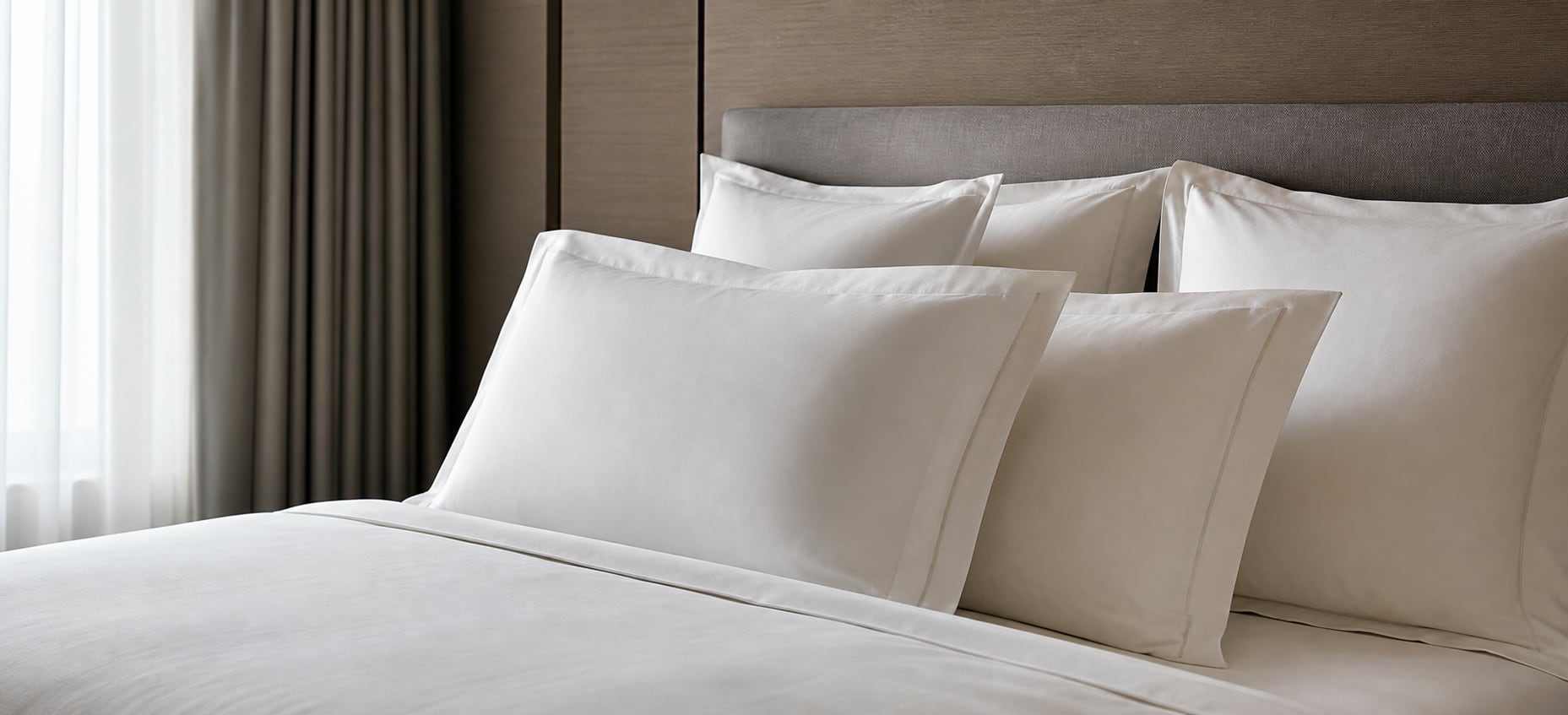
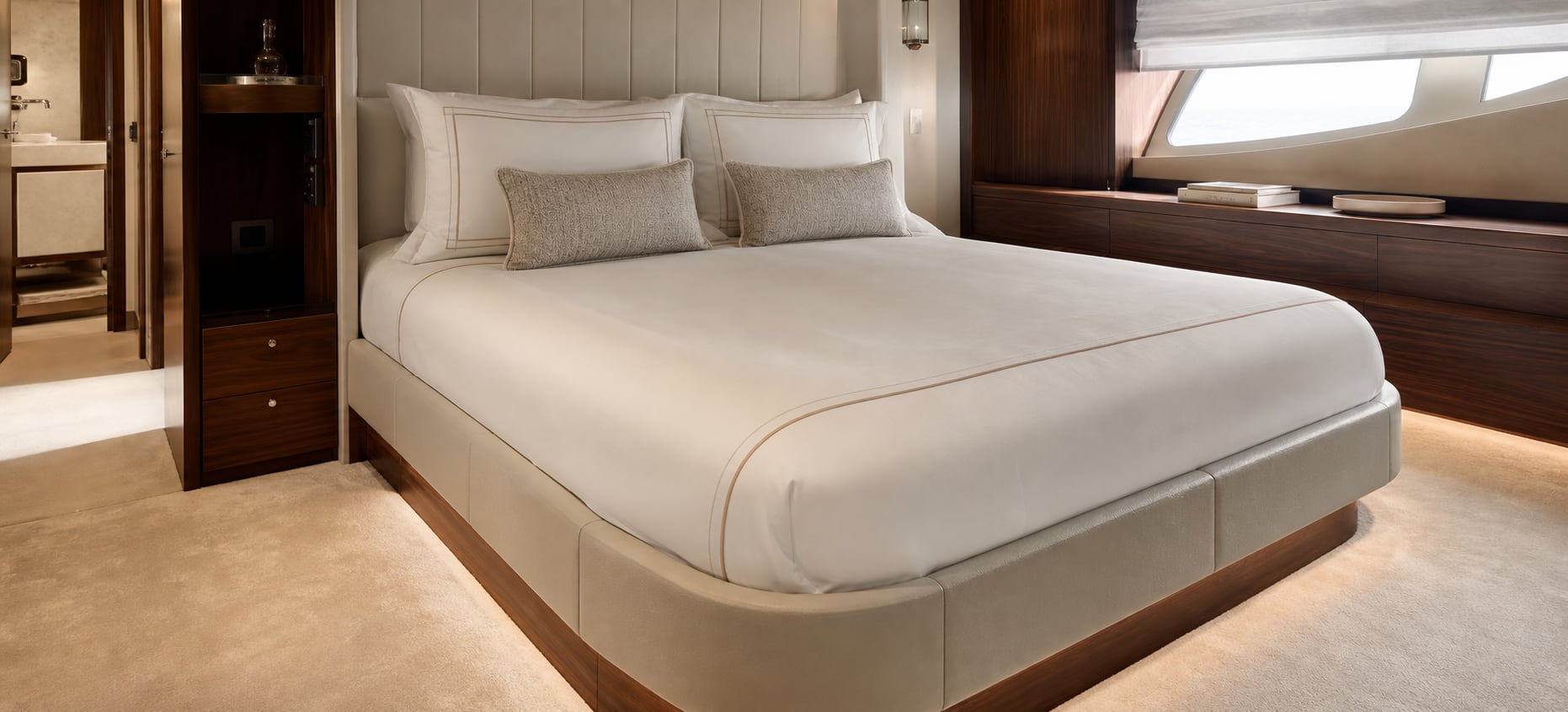
One of the easiest specification errors is approving the bare insert. A close-fitting protector can restrain the fill and slow its movement. A case that is too small can make a soft pillow feel denser and push it into a rounded shape; an oversized case can make a good pillow look tired. Decorative borders and closures may also change where the face rests or how neatly the pillow finishes.
Dress every sample with the exact protector and case intended for the room. Confirm the finished dimensions with the hotel pillowcase size guide, then use the wider hotel pillowcase selection guide to align fabric, construction and presentation. A pillow specification is incomplete if its bedding changes the result that was approved.
This dressed test also catches small annoyances that a catalogue cannot show: a protector that rustles when the head moves, a casing that feels coarse through fine bed linen, a seam that sits under the cheek, or a fill that migrates into hard and empty zones. None sounds dramatic in a product description. At two in the morning, each can become the whole experience.
Let the filling serve the brief
Natural fills can offer a yielding, shapeable feel, although the balance of feather and down changes support, weight and softness. Polyester constructions range from light, soft fibre to resilient clusters and firmer hollowfibre fills. Foam and hybrid designs can provide more defined support but create a different hand, temperature response and housekeeping experience. Material names describe families, not a finished comfort level.
Consider the guest promise alongside the property’s care route, sourcing policy and ability to keep alternatives available. Avoid broad claims such as assuming every synthetic pillow is the same, or that a natural filling automatically signals higher comfort. Allergy-related language should also be specific and supportable: fibre choice, allergen exposure, cover construction and care are separate questions, and a marketing label should not substitute for the property’s hygiene policy.
If a pillow needs specialised cleaning, long drying time or frequent manual reshaping, that may still be appropriate—but it should be an intentional trade-off. The care instructions, drying capability and replacement route have to suit the operation that will actually look after it.
The morning after is part of the test
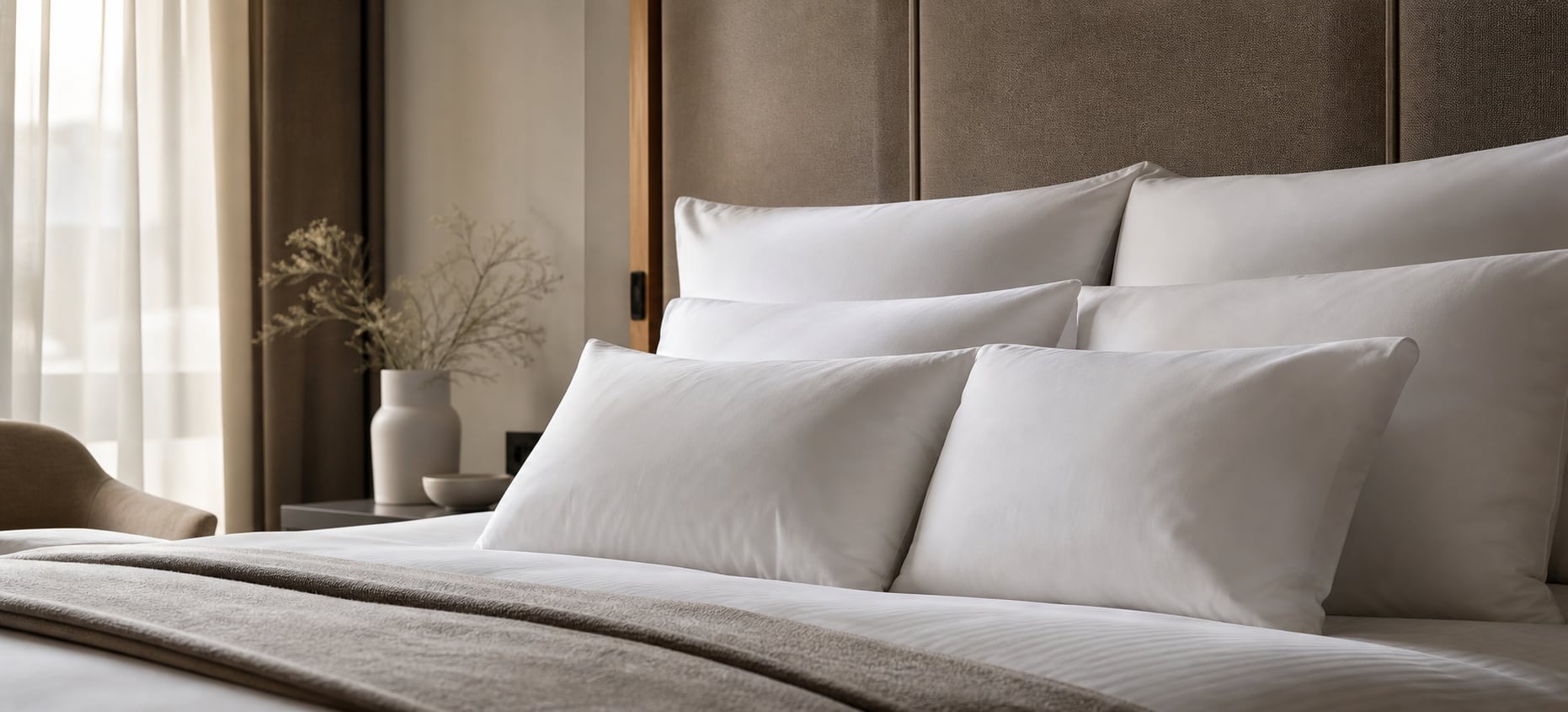
A new pillow is usually at its most persuasive when it has just been unpacked and plumped. The more revealing moment is the next morning. Look at where the fill has moved, whether the surface has formed a lasting hollow, how much work restores the shape and whether the two pillows on the bed still appear related.
Recovery is both a comfort and presentation quality. A pillow that rebounds too aggressively may feel resistant; one that never recovers can look depleted and offer uneven support. The aim is not maximum spring. It is a stable, repeatable behaviour that matches the room’s intended feel and can be restored without excessive handling.
Repeat the observation after the approved care process where possible. Check for clumping, odour retention, casing distortion, slow drying and changes in loft or hand. A sample that succeeds for one night but changes markedly after care has not yet proved that it belongs in a hotel programme.
Make the approved feel repeatable
Once a sample works, preserve more than its supplier name. Record finished size, fill composition and weight where meaningful, chamber or gusset construction, casing, support reference, care method, protector, pillowcase and the dated approved sample. If the feel differs by room category or by soft and firm option, give each version a distinct reference.
This is not paperwork for its own sake. Two pillows can share a size and material description yet behave differently, while a supplier may improve or replace a construction over time. A physical reference and a concise specification make those changes visible before a replenishment order reaches the rooms.
Quantity then follows the chosen room presentation, the number of alternatives held, the care turnaround and the reserve the property genuinely needs. It should not decide comfort in reverse. First establish which pillow experience belongs on the bed; then calculate how many of each exact reference the operation must keep available.
Sample the whole bed, not a row of pillows
The final decision belongs in a real room. Put the candidate pillows on the approved mattress, dress them in the actual protector and case, and let more than one person sleep on them. Include people with different builds and usual sleeping positions. Ask a few precise questions about settling depth, support, temperature, noise and the ease of changing position; a single score such as “comfortable” hides the reason one sample works better.
Housekeeping should see the same trial after the night. The team will notice whether the pillow fills its case cleanly, exposes the protector, catches in the opening, takes unusual effort to reshape or loses the room’s intended composition. Their observation is not separate from guest comfort: it reveals whether the approved experience can be presented consistently.
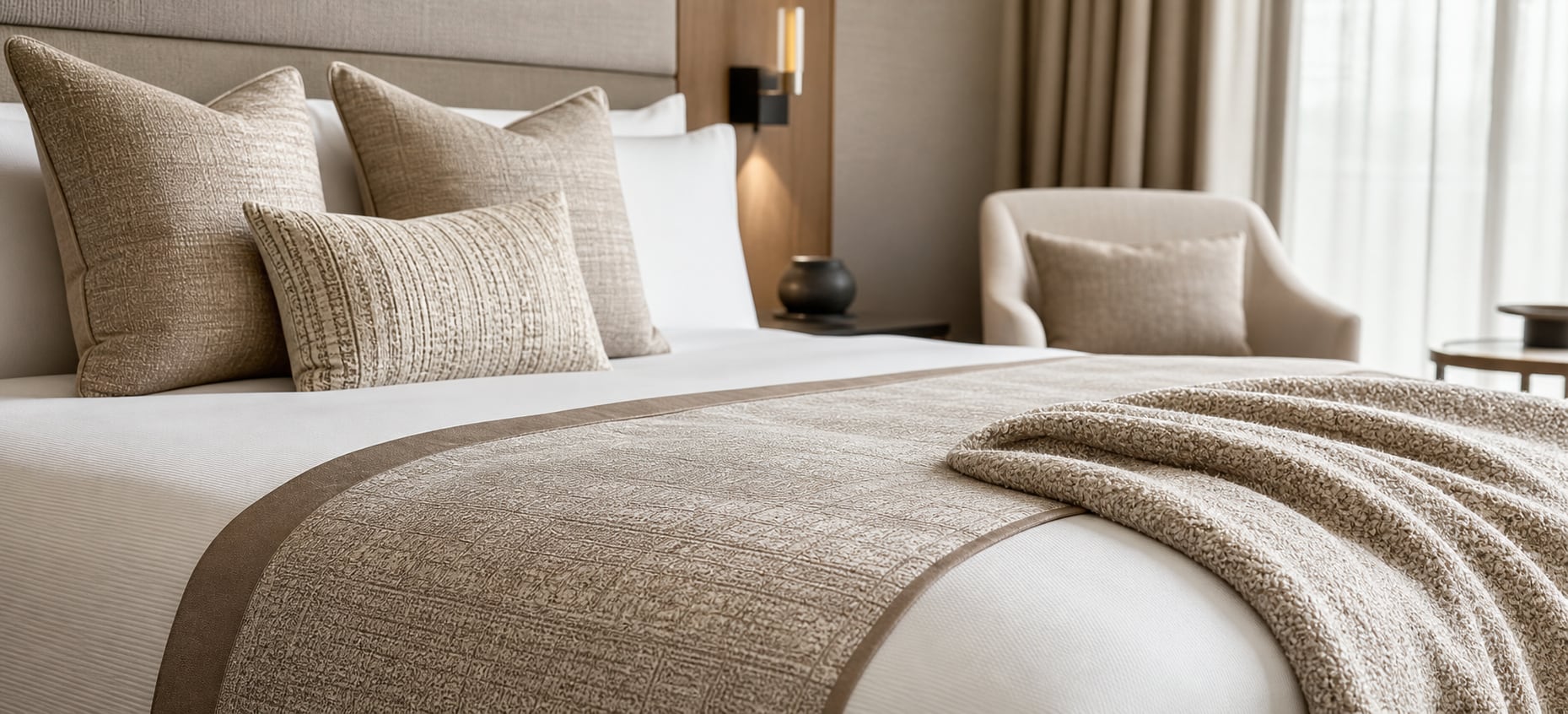
The strongest choice is rarely the pillow with the most impressive description. It is the one whose support, finished bedding and recovery make sense together—and can keep doing so across rooms and repeat orders. Use the Gencer hotel pillow collection as the start of that sampling conversation, with the room and its guests as the final reference.
Frequently asked questions
What firmness is best for hotel pillows?
There is no universal best firmness. A balanced medium-support default can suit many guests, but the label must be tested under load because firmness scales are not standardised. Where possible, pair it with or make available an option that offers a meaningfully different level of compressed support.
Should hotel pillows be washable?
The pillow needs an approved care route, but that does not always mean washing the complete insert on site. Follow the manufacturer’s method, confirm that the property or laundry can dry it thoroughly, and use the specified protector. A care claim is useful only when the real operation can carry it out without changing the pillow’s fill or shape.
Can a hotel use one pillow type in every guest room?
It can use one well-tested standard, particularly in a compact or limited-service property, but an accessible alternative makes the offer more accommodating. Different room categories may justify different pillows only when the distinction is intentional, easy to explain and practical to replenish.
Product catalogue
Request the Stay catalogue
Share your business email and, if useful, your company or property name. We will carry these details into the secure catalogue-request form with the relevant category already selected.
Journal
Continue reading
How to Choose Pillowcases for Hotels
A practical way to match pillowcase fit, fabric and construction to the room, laundry and housekeeping routine.
Read How to Choose Pillowcases for HotelsHotel Pillowcase Size Guide
How to measure each pillow, allow for loft and protectors, and approve a finished pillowcase after laundering.
Read Hotel Pillowcase Size GuideHow to Choose Bed Linen for a Boutique Hotel
A practical guide to fibre, weave, weight, durability, and guest comfort when specifying hotel bed linen.
Read How to Choose Bed Linen for a Boutique Hotel